Yazılar

Iran Claims Attack on Israel Concluded as Fears of Wider Conflict Grow

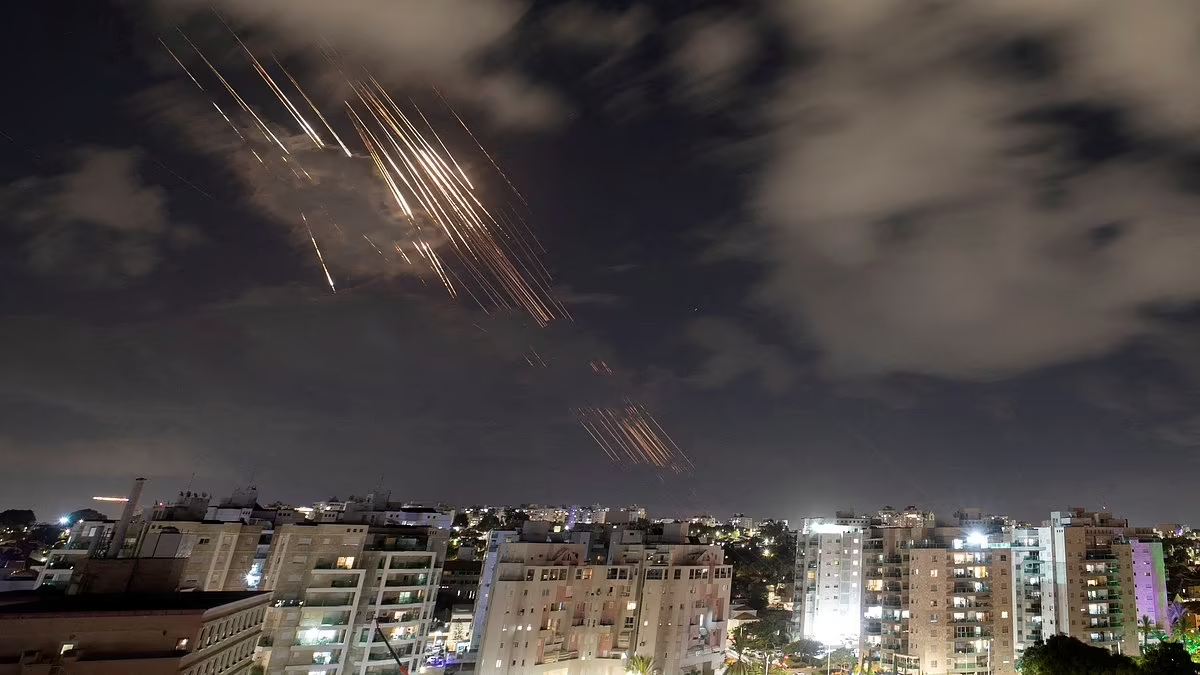
Iran has announced that its recent assault on Israel is over, following a series of missile strikes targeting Israeli military facilities. This attack, described by Iranian officials as a response to Israeli actions against Hezbollah and other militant leaders, reportedly involved more than 180 ballistic missiles aimed at three Israeli military bases. Iranian Foreign Minister Abbas Araqchi stated that any further Israeli provocations would lead to a stronger Iranian response.

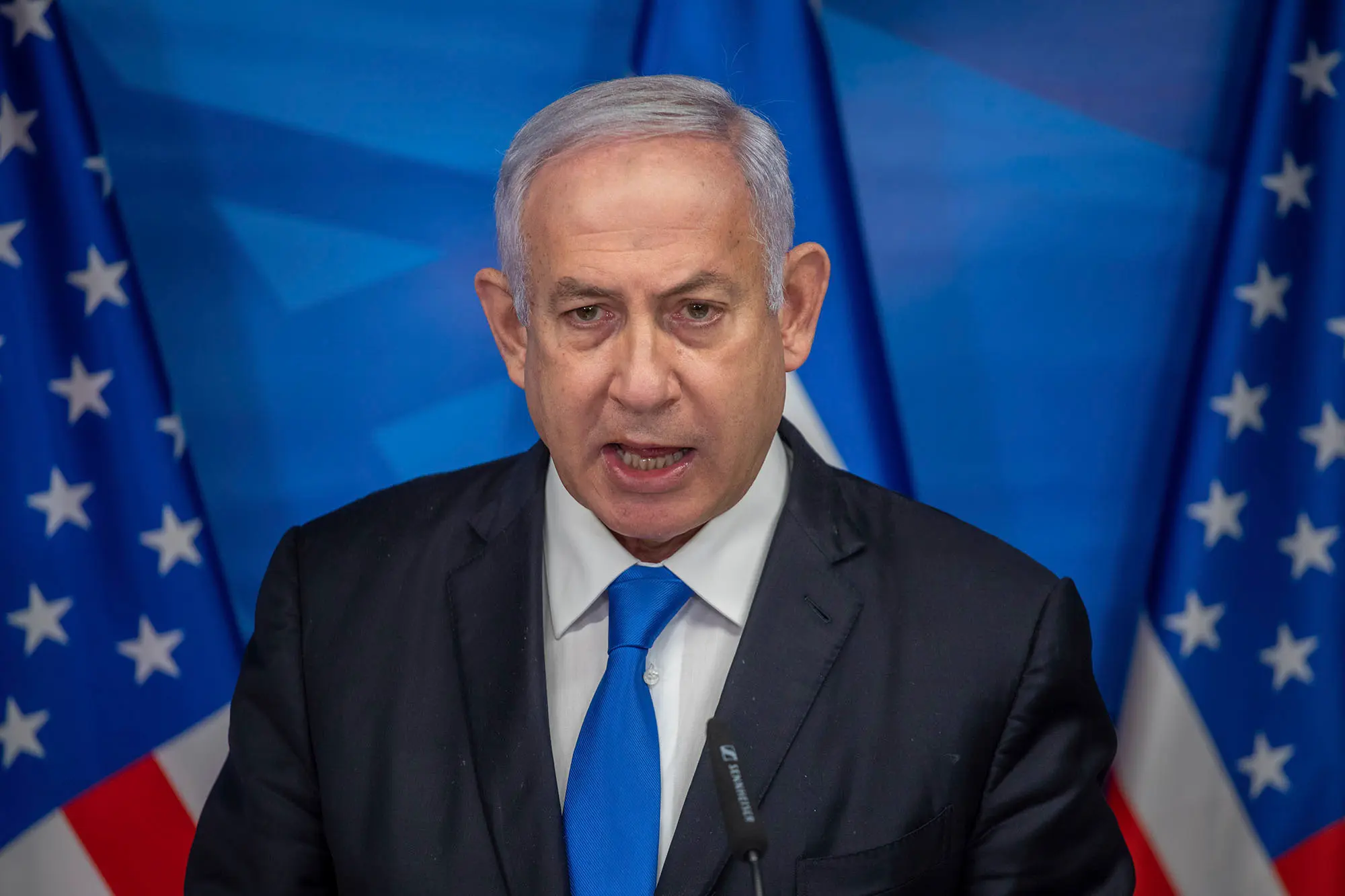
The situation remains tense, as Israeli officials have vowed to retaliate significantly in the coming days, potentially targeting Iranian oil production facilities and other strategic sites. Prime Minister Benjamin Netanyahu warned that Iran would face consequences for what he termed a “big mistake.”

Despite calls for a ceasefire from the United Nations, the United States, and the European Union, clashes between Israel and Hezbollah continue. Israel has resumed airstrikes on Hezbollah strongholds in Beirut’s southern suburbs, conducting at least a dozen bombings while issuing evacuation orders for the area. Large plumes of smoke were visible as Israeli forces targeted locations believed to house Hezbollah assets. In retaliation, Hezbollah claimed to have confronted Israeli forces attempting to infiltrate the Lebanese town of Adaisseh.

The escalation of violence follows weeks of conflict, including Israel’s recent ground operations in Lebanon and ongoing hostilities in the Gaza Strip. U.S. Secretary of Defense Lloyd Austin confirmed that the U.S. was prepared to defend its interests in the region and that American naval forces had intercepted some of the missiles fired from Iran. The Pentagon noted that Iran’s missile assault was significantly larger than previous attacks, including an earlier strike in April.

Israeli military officials stated that most of the missiles launched by Iran were intercepted by Israeli air defenses and a coalition led by the United States. However, the use of hypersonic Fattah missiles by Iranian forces marked a dangerous escalation, with reports indicating that 90% of the missiles successfully hit their targets in Israel.

As fears mount that Iran and the U.S. could become embroiled in a broader regional conflict, President Joe Biden reaffirmed U.S. support for Israel, labeling the Iranian attack as “ineffective.” Vice President Kamala Harris echoed this sentiment, stating that the U.S. would not hesitate to act against Iran if necessary. Israel’s U.N. Ambassador, Danny Danon, promised a painful response to Iran’s actions.

In response to the ongoing situation, French President Emmanuel Macron condemned Iran’s attacks and announced the mobilization of French military resources in the Middle East. The United Nations Security Council convened to discuss the escalating conflict, while the European Union urged an immediate ceasefire. In South Korea, President Yoon Suk Yeol convened national security advisors to address potential impacts on energy supply due to the conflict.

The humanitarian toll has been severe, with nearly 1,900 casualties and over 9,000 injuries reported in Lebanon in the past year of conflict, most of which have occurred in the last two weeks.
 

Israeli PM Netanyahu Says Nasrallah’s Death Is Not Enough to End Middle East Conflict

Israeli Prime Minister Benjamin Netanyahu praised the Israeli Defense Forces (IDF) for killing Hezbollah leader Hassan Nasrallah in an airstrike but emphasized that his death alone will not be enough to resolve the ongoing conflict in the Middle East. Speaking on Saturday, Netanyahu acknowledged Israel’s significant achievements against Hezbollah but reiterated the need for further efforts.

“We have some great achievements, but we haven’t completed the task at hand yet,” Netanyahu said. He added that the devastating blows inflicted by the IDF on Hezbollah would not be enough to bring lasting peace.

Nasrallah, who led Hezbollah for over 30 years, was killed in a targeted airstrike on Friday in Beirut, Lebanon. Hezbollah confirmed his death in a statement, honoring him as a “martyr” and acknowledging his role in shaping the group’s powerful military and political presence in the region. The airstrike also claimed the life of Ali Karki, Hezbollah’s commander of the southern front.

The death of Nasrallah is seen as a monumental blow to Hezbollah, a group backed by Iran that has long been a formidable force in the region. Lebanese political analyst Ronnie Chatah commented, “This is, by far, the deepest psychological blow to this organization since its inception. Hezbollah cannot be the same without Hassan Nasrallah.”

U.S. President Joe Biden weighed in on Nasrallah’s death, calling it “a measure of justice for his many victims, including thousands of Americans, Israelis, and Lebanese civilians.” Biden also reiterated his support for Israel while advocating for a ceasefire and further de-escalation of tensions in the region.

Nasrallah’s assassination is expected to have significant political and military consequences, both locally and regionally. Firas Maksad, a senior fellow at the Middle East Institute, remarked that this development would likely lead to further polarization within Lebanon and heighten tensions between Israel and Iran. “Nasrallah’s killing is emblematic of a head-on confrontation between Israel and Iran over the future of Lebanon and the Levant,” he said.

As the conflict continues to unfold, Israel’s leaders are preparing for potential retaliatory actions from Iran, although some analysts believe this could present an opportunity for a ceasefire in Gaza.

Iran Warns of ‘Irreversible’ Consequences as Israel-Hezbollah Conflict Escalates

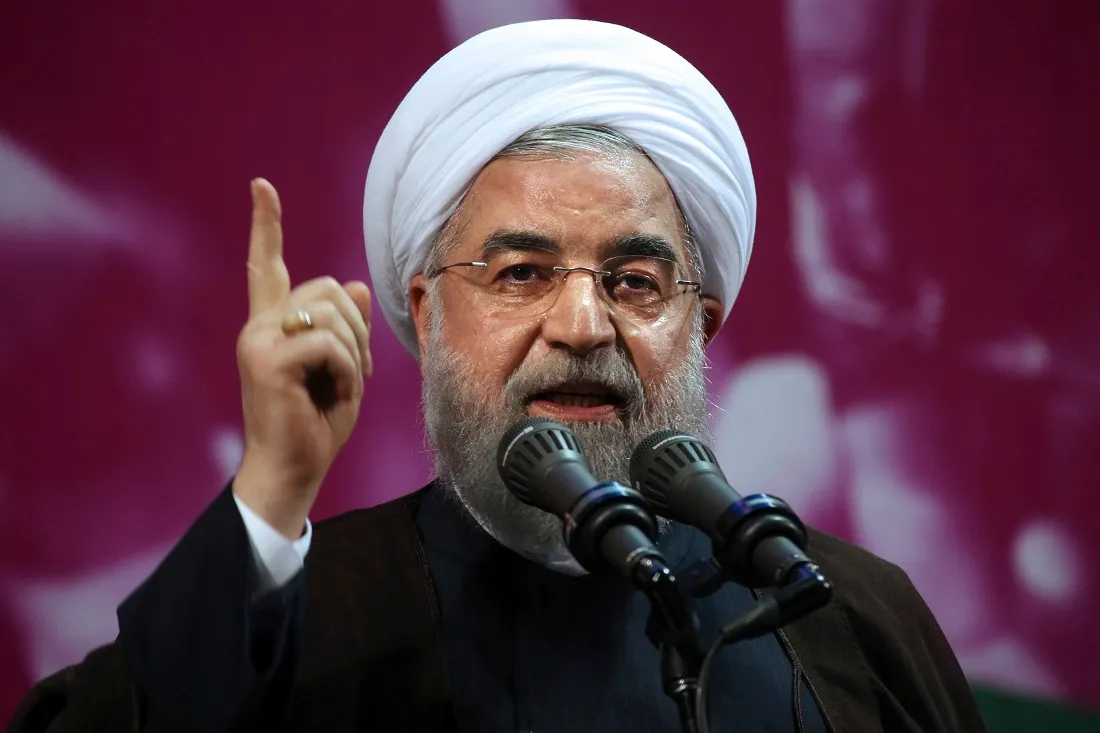
Iranian President Masoud Pezeshkian has issued a stark warning, accusing Israel of attempting to provoke Iran into joining the ongoing conflict between Israel and Hezbollah in Lebanon, which has lasted nearly a year. Speaking in New York at the United Nations General Assembly, Pezeshkian emphasized that Iran does not seek war but fears the “irreversible consequences” of a wider regional conflict.

Pezeshkian described Israel’s recent actions as pushing the Middle East towards full-scale war, particularly in response to Israeli airstrikes against Hezbollah, which made Monday the deadliest day in Lebanon in nearly a year. Accusing the international community of remaining silent in the face of what he called “Israel’s genocide” in Gaza, Pezeshkian reiterated Iran’s support for groups defending their rights, including Hezbollah, though he stopped short of declaring Iran’s direct involvement.

The tensions follow the assassination of Hamas leader Ismail Haniyeh in Tehran in July, an event for which Iran and Hamas have blamed Israel. While Tehran has vowed severe revenge, it has so far refrained from direct retaliation against Israel. Pezeshkian affirmed that Iran will respond “at the appropriate time and place.”

Efforts to broker a ceasefire between Israel and Iran-backed Hamas, mediated by Qatar, Egypt, and the United States, have stalled. Meanwhile, tens of thousands of people have been displaced from both sides of the Israeli-Lebanese border due to near-daily exchanges of fire between Israeli forces and Hezbollah. The situation has become critical, with EU foreign policy chief Josep Borrell warning that the conflict is nearing a full-blown war.