Yazılar

Exclusive: Iran Delivered Missiles to Russia Without Launchers, Sources Say

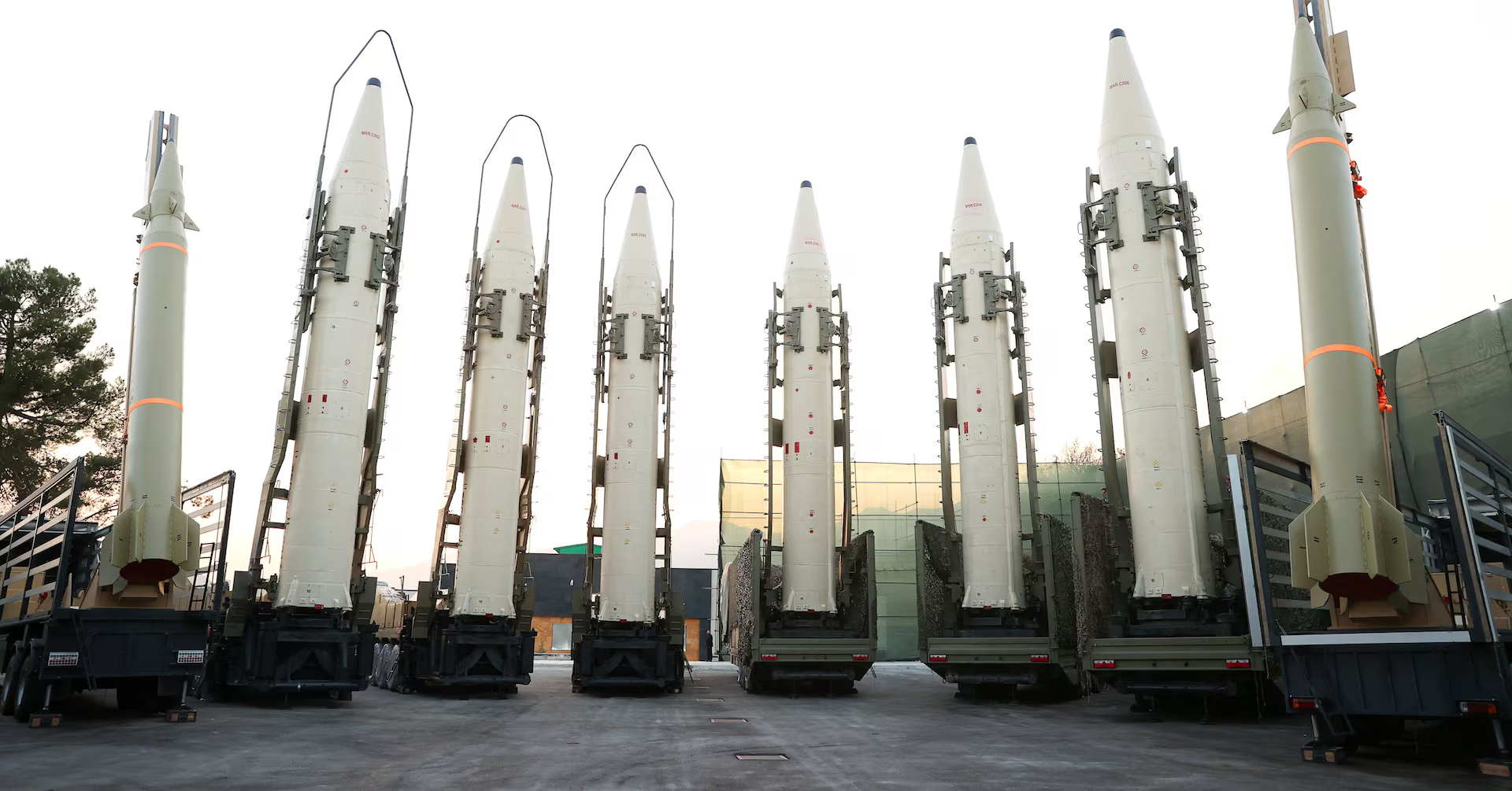
Iran has supplied close-range ballistic missiles to Russia, according to sources, but notably withheld mobile launchers, creating uncertainty about when these missiles will be operational. This development follows last week’s U.S. accusation that Tehran provided Moscow with Fath-360 missiles for use in the war against Ukraine.

Three officials—a European diplomat, a European intelligence official, and a U.S. official—confirmed Iran’s delivery of the missiles but emphasized that no launchers accompanied them. The reasons for this are unclear, but experts have suggested multiple possibilities. Some believe Russia may modify civilian trucks to launch the missiles, similar to what Iran has done. Others speculate Iran’s decision could be a diplomatic maneuver, leaving room for potential negotiations with Western powers to ease tensions.

Iran denies providing missiles or drones to Russia, despite accusations from Ukraine and the West that these weapons are being used to target military and civilian infrastructure. U.S. Secretary of State Antony Blinken stated that the Fath-360 missiles were delivered and would likely be used in Ukraine soon. The missile, which can travel at speeds four times the speed of sound and has a range of up to 75 miles, poses a significant threat to Ukraine, particularly as it continues to adapt its air defenses to Russian innovations.

The absence of launchers complicates matters for Russia, as ballistic missiles require specially designed launchers to be fired. Some analysts suggest that Russia could modify its military-grade vehicles to serve this purpose. Iran has previously used modified civilian trucks, but these may not be suitable for Ukraine’s harsh winter conditions.

The delivery of these missiles comes amid increasing sanctions on Iran by the United States and its European allies. New sanctions target Iran’s aviation sector, among other areas, and further measures are being considered by the European Union.

Meanwhile, Iran’s new president, Masoud Pezeshkian, is expected to engage in diplomatic talks with European officials during the U.N. General Assembly, where issues related to Iran’s missile deliveries, nuclear program, and regional tensions are likely to be discussed. Analysts speculate that Iran’s withholding of the missile launchers could be a tactical move ahead of these talks to avoid further condemnation.

Despite the potential for diplomacy, experts are skeptical about any significant breakthroughs, given Iran’s history of maintaining its stance on key issues.

Iran Transfers Ballistic Missiles to Russia Amid Intensified Conflict

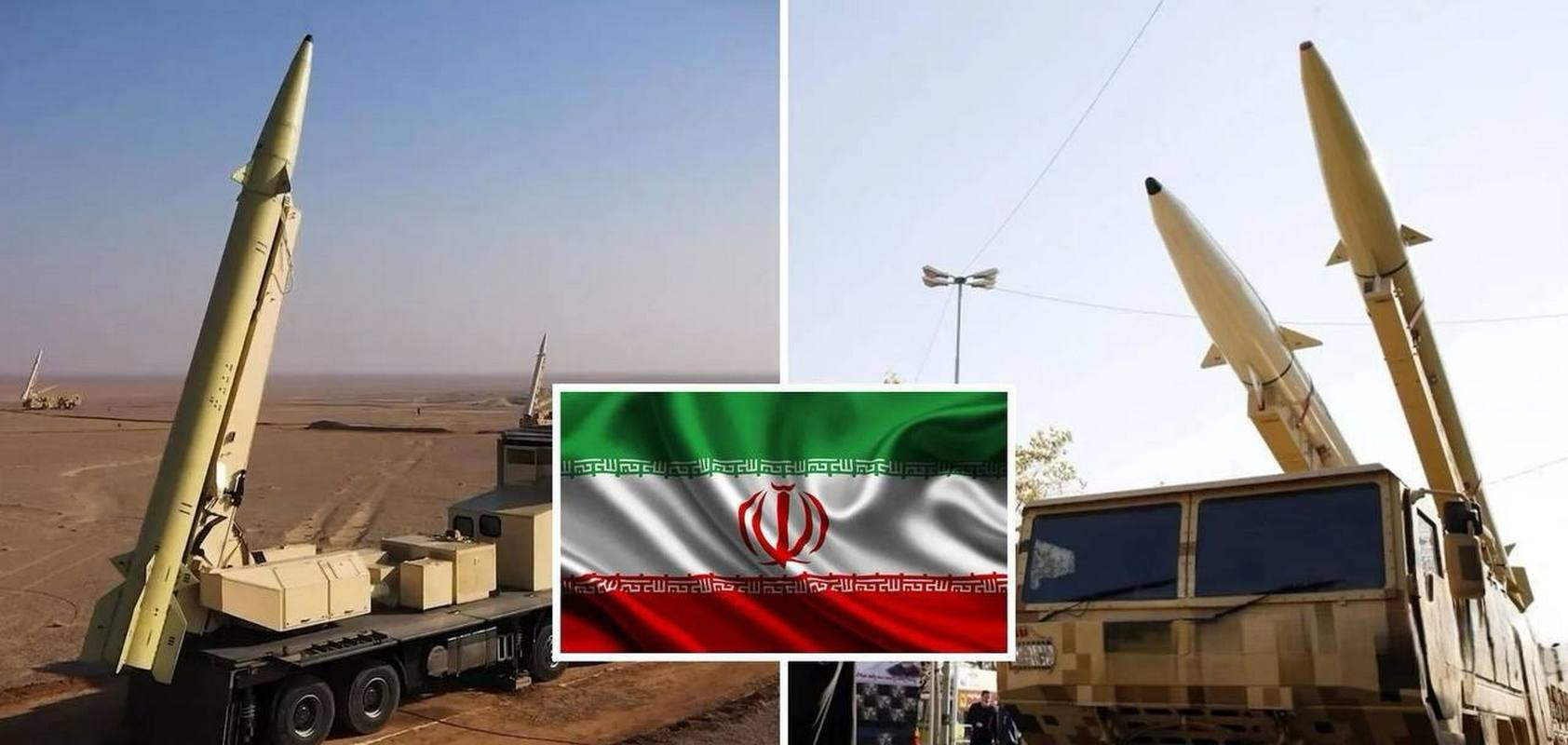
Recent reports indicate that Iran has transferred short-range ballistic missiles to Russia for use in the ongoing war against Ukraine, according to two sources familiar with the intelligence. This delivery, which was anticipated by US and Western officials for nearly a year, marks a significant escalation in Iran’s support for Russia’s military efforts.

The exact timing of the missile delivery remains unclear, but it coincides with a surge in Russia’s missile and drone attacks on Ukrainian cities. As Ukraine prepares for large-scale Russian assaults on its energy infrastructure this winter, Ukrainian President Volodymyr Zelensky has called for more air defense systems from allies.

National Security Council spokesperson Sean Savett condemned the transfer, stating that it represents a dramatic escalation in Iran’s support for Russia. Savett emphasized that the US and its partners are prepared to impose significant consequences, as highlighted in recent G7 and NATO summits.

Iran’s Permanent Mission to the United Nations has denied the transfer, maintaining that Iran opposes any military assistance that exacerbates the conflict and hinders ceasefire negotiations.

Negotiations for the ballistic missiles began as early as September, when Russian Defense Minister Sergei Shoigu visited Iran to inspect ballistic missile systems. In response to warnings from the G7, Iran displayed ballistic missiles to Russian officials in December, indicating their intent to sell the systems.

In addition to Iranian support, Russia has also received missile components from North Korea and significant military aid from China, which includes machine tools, drone and turbojet engines, and technology for cruise missiles.

U.S. Bolsters Military Presence in the Middle East Amid Rising Tensions with Iran

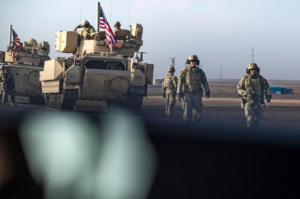
The United States is escalating its military presence in the Middle East in response to growing concerns about potential Iranian retaliation against Israel. The Pentagon announced that additional troops and military hardware, including a guided-missile submarine and a carrier strike group equipped with F-35C fighter jets, are being deployed to the region. This move is part of a broader effort to reinforce U.S. military capabilities and provide robust support to Israel amid escalating regional tensions.

In a statement released by Pentagon Press Secretary Maj. Gen. Pat Ryder, U.S. Defense Secretary Lloyd Austin emphasized the United States’ unwavering commitment to “take every possible step to defend Israel.” The announcement followed a conversation between Austin and Israel’s Defense Minister Yoav Gallant, underscoring the urgency of the situation.

This development comes in the wake of the assassination of Ismail Haniyeh, the former political leader of Hamas, in Tehran on July 31. Iran, which has long supported Hamas, has accused Israel of carrying out the attack. While Israel has not officially commented on the incident, the killing has significantly heightened tensions between the two nations. Although Tehran has yet to retaliate militarily, the possibility of a severe response looms, keeping the entire region on edge.

The Biden administration’s support for Israel has sparked criticism domestically, with some urging the U.S. to leverage its influence to enforce a cease-fire rather than continue supplying arms to Israel. President Biden has expressed concerns about the Israeli military offensive, describing it as “over the top” and highlighting the high civilian death toll. This issue has become a significant factor in U.S. politics, influencing voter sentiment as the 2024 presidential election approaches.

The situation remains precarious, with fears that any further escalation could lead to an all-out war involving Iran, Israel, and their respective allies and proxies, including Hezbollah. While both Israel and Iran have engaged in limited exchanges of missile strikes in the past, these actions were largely calibrated to avoid extensive damage and casualties. However, analysts warn that future retaliations could be far more devastating.

The ongoing conflict has already resulted in significant casualties and destruction. The Hamas-led attack on Israel on October 7 claimed the lives of approximately 1,200 people and resulted in over 250 hostages, of whom 116 have been freed. Israel’s subsequent military response in Gaza has been even more devastating, with local health authorities reporting over 39,000 deaths and the destruction of half the buildings in the Gaza Strip, according to the U.N.

The assassination of Haniyeh, who was involved in cease-fire negotiations, raises doubts about the prospects for a diplomatic resolution to the conflict. Yahya Sinwar, the new leader of Hamas with close ties to Iran, is perceived as more extreme and less inclined to pursue a cease-fire, further complicating efforts to de-escalate the situation.