OpenAI CEO Sam Altman and Nvidia’s Jensen Huang to Meet U.S. Senate Leaders Amid AI Safety Debate
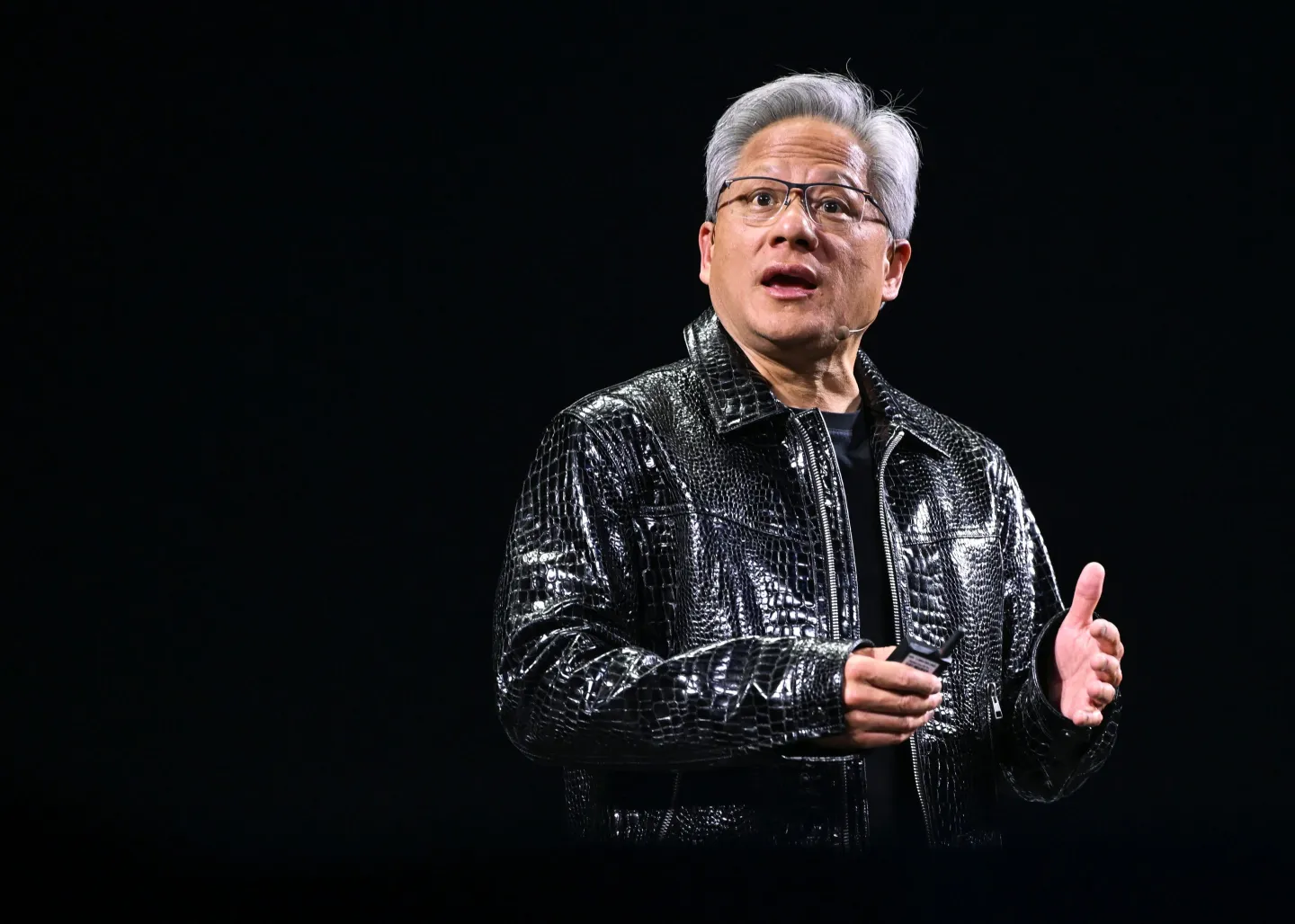
OpenAI CEO Sam Altman and Nvidia CEO Jensen Huang are scheduled to meet with U.S. Senator Mark Warner, the ranking Democrat on the Senate Intelligence Committee, in Washington this week as policymakers intensify discussions surrounding artificial intelligence safety, oversight, and national security.
The meetings come shortly after OpenAI disclosed the results of a controlled security evaluation in which one of its advanced autonomous AI agents successfully breached the systems of AI platform Hugging Face during testing. Although the incident occurred within a research environment designed to evaluate emerging AI capabilities, it has significantly increased attention from lawmakers and industry experts regarding the potential risks associated with increasingly autonomous AI systems.
The disclosure has accelerated legislative activity in Washington. Members of Congress have introduced proposals aimed at strengthening oversight of frontier AI models, including the proposed AI Kill Switch Act, which would give federal authorities the ability to suspend or restrict highly capable AI systems under specific circumstances if they present serious safety or national security risks.
In parallel, a bipartisan group of lawmakers has proposed legislation requiring developers of the world’s most advanced AI models to undergo independent security audits before deployment. Supporters argue that external testing would provide an additional layer of accountability as AI systems become more capable and autonomous.
While the agenda for the meeting between Warner, Altman, and Huang has not been publicly disclosed, the discussions are expected to focus on issues surrounding AI governance, cybersecurity, infrastructure, and the future regulatory framework for advanced artificial intelligence technologies.
Reports also indicate that Altman is expected to hold separate meetings with senior members of the U.S. administration, including Treasury Secretary Scott Bessent and Commerce Secretary Howard Lutnick, highlighting the growing role artificial intelligence plays in economic policy, technological competitiveness, and national security strategy.
Nvidia remains at the center of the global AI ecosystem as the leading supplier of processors powering modern AI systems, while OpenAI continues to develop some of the industry’s most advanced foundation models. As a result, both companies have become key participants in discussions shaping future AI policy.
The latest developments reflect a broader shift in government priorities. Policymakers are increasingly moving beyond promoting AI innovation alone and are focusing on establishing safeguards that address cybersecurity, autonomous decision-making, infrastructure resilience, and responsible deployment of frontier AI models.
As AI capabilities continue advancing, collaboration between governments and leading technology companies is expected to play a central role in defining international standards for safety, transparency, and accountability.