Yazılar

Trump jokes about AI “taking over the world” as U.S. and U.K. sign tech deal

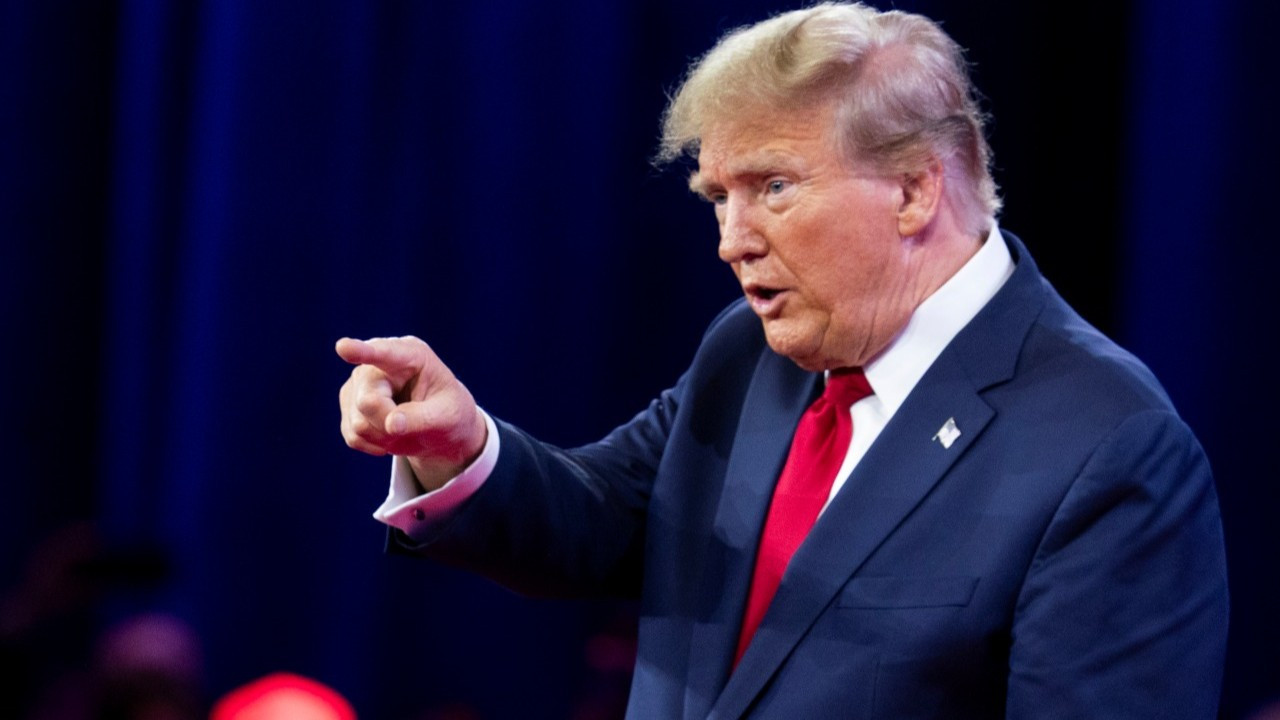
U.S. President Donald Trump, speaking alongside U.K. Prime Minister Keir Starmer in London, quipped that artificial intelligence was “taking over the world” and admitted he hoped tech leaders understood it better than he did. The remarks came during Trump’s second state visit to Britain, at an event attended by Nvidia CEO Jensen Huang and other industry figures.

Departing from prepared remarks on the strength of U.S.-U.K. relations and new tech investments, Trump turned to Huang with a laugh: “Jensen, I don’t know what you’re doing here. I hope you’re right. All I can say is, we both hope you’re right.” His comments drew laughter from Starmer and the audience.

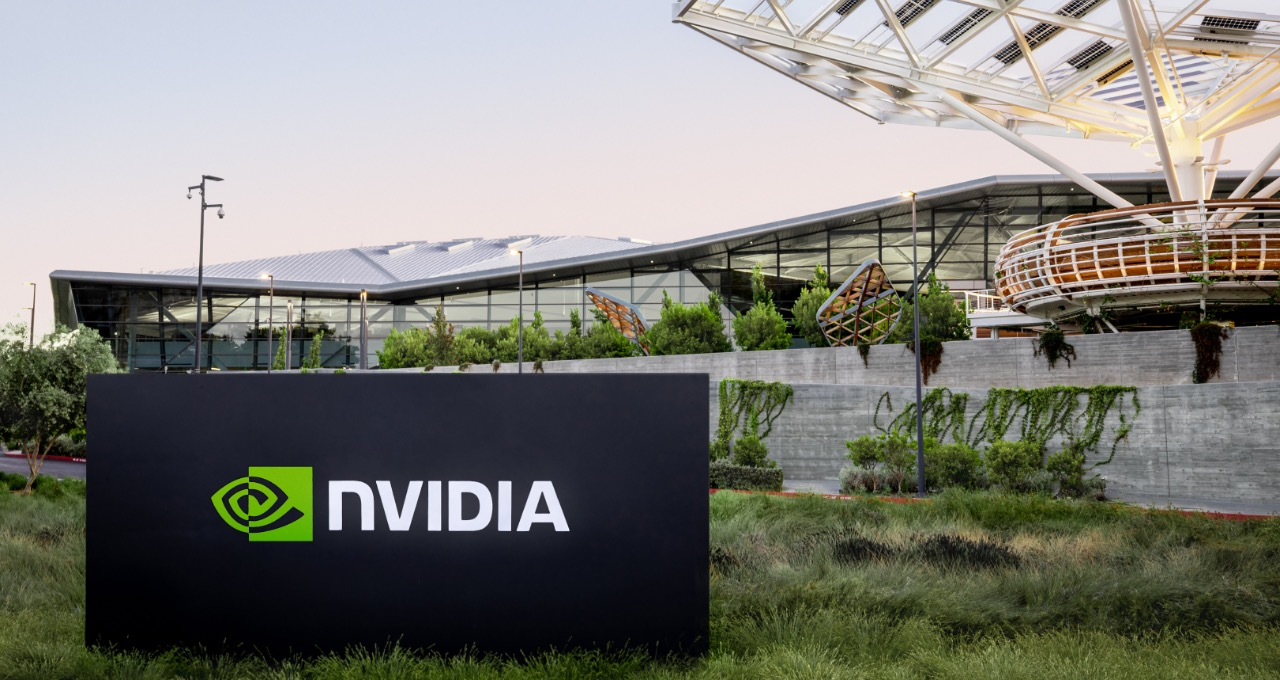
The two leaders signed a “Tech Prosperity Deal”, pledging deeper cooperation on artificial intelligence, quantum computing, and civil nuclear projects. Under the agreement, Nvidia will deploy 120,000 GPUs across Britain, marking its largest European rollout to date.

Trump, characteristically playful, joked with Treasury Secretary Scott Bessent before signing: “Should I sign this? If the deal’s no good, I’m blaming you, Scott.”

The partnership aims to strengthen transatlantic research and industry collaboration while addressing the disruptive potential of AI—a technology Trump acknowledged as both transformative and unsettling.

OpenAI and Nvidia to Back Billions in UK Data Center Investments – Bloomberg

OpenAI and Nvidia plan to announce major support for billions of dollars in UK data center projects next week, according to a Bloomberg report citing people familiar with the matter. The initiative will be carried out in partnership with London-based Nscale Global Holdings.

High-Profile Visit

  • Sam Altman (OpenAI CEO) and Jensen Huang (Nvidia CEO) are expected to be in the UK as part of a U.S. tech delegation coinciding with President Donald Trump’s visit.

  • Several other U.S. firms are also preparing to unveil tens of billions of dollars in UK investments during the trip.

Strategic Importance

The planned data center buildout reflects soaring demand for AI and cloud infrastructure, as companies worldwide race to secure computing power for advanced machine learning applications.

Silence From Stakeholders

  • Nvidia declined to comment.

  • OpenAI, Nscale Global, the White House, and Downing Street did not immediately respond to Reuters requests for comment.

If confirmed, the pledge would mark one of the largest U.S. tech investments in the UK’s digital infrastructure, reinforcing Britain’s bid to position itself as a hub for AI innovation and cloud expansion.

Alibaba and Baidu Turn to In-House Chips for AI Training Amid U.S. Restrictions

Alibaba and Baidu have begun using their own internally designed chips to train AI models, partly replacing Nvidia’s processors, according to a report from The Information. The move signals a major shift in China’s AI development strategy, as U.S. export controls continue to restrict access to advanced American-made semiconductors.

Key Developments

  • Alibaba has used its homegrown chips since early 2025 to train smaller AI models.

  • Baidu is testing its Kunlun P800 chip to train new versions of its Ernie AI model.

  • Both companies still rely on Nvidia for their most advanced models but are working to reduce dependence.

Impact on Nvidia

Nvidia remains dominant in AI training hardware, but China accounts for a large share of its business. The firm’s most powerful U.S.-approved chip for China, the H20, lags behind the H100 and Blackwell series — but still outperforms most Chinese alternatives.

However, employees cited by The Information said Alibaba’s latest AI chip matches the performance of Nvidia’s H20, narrowing the gap between U.S. and Chinese hardware.

An Nvidia spokesperson responded: “The competition has undeniably arrived … We’ll continue to work to earn the trust and support of mainstream developers everywhere.”

Geopolitical Pressure

  • U.S. export restrictions have pushed Chinese companies to accelerate domestic chip design.

  • Beijing has urged firms to rely on home-grown semiconductor technology as part of its strategic autonomy push.

  • Nvidia CEO Jensen Huang recently said talks with the White House over permission to sell a less advanced next-gen chip to China will take time.

According to the report, Nvidia has agreed to give the Trump administration 15% of China sales of its H20 chips in exchange for continued export licenses.

The Bigger Picture

China’s pivot toward domestic AI chips marks both a risk to Nvidia’s China revenues and a milestone for Chinese chipmakers, who are beginning to close the performance gap under intense geopolitical and economic pressure.