Yazılar

Trump Campaigns in Deep Blue States, Eyes Fundraising and Media Attention

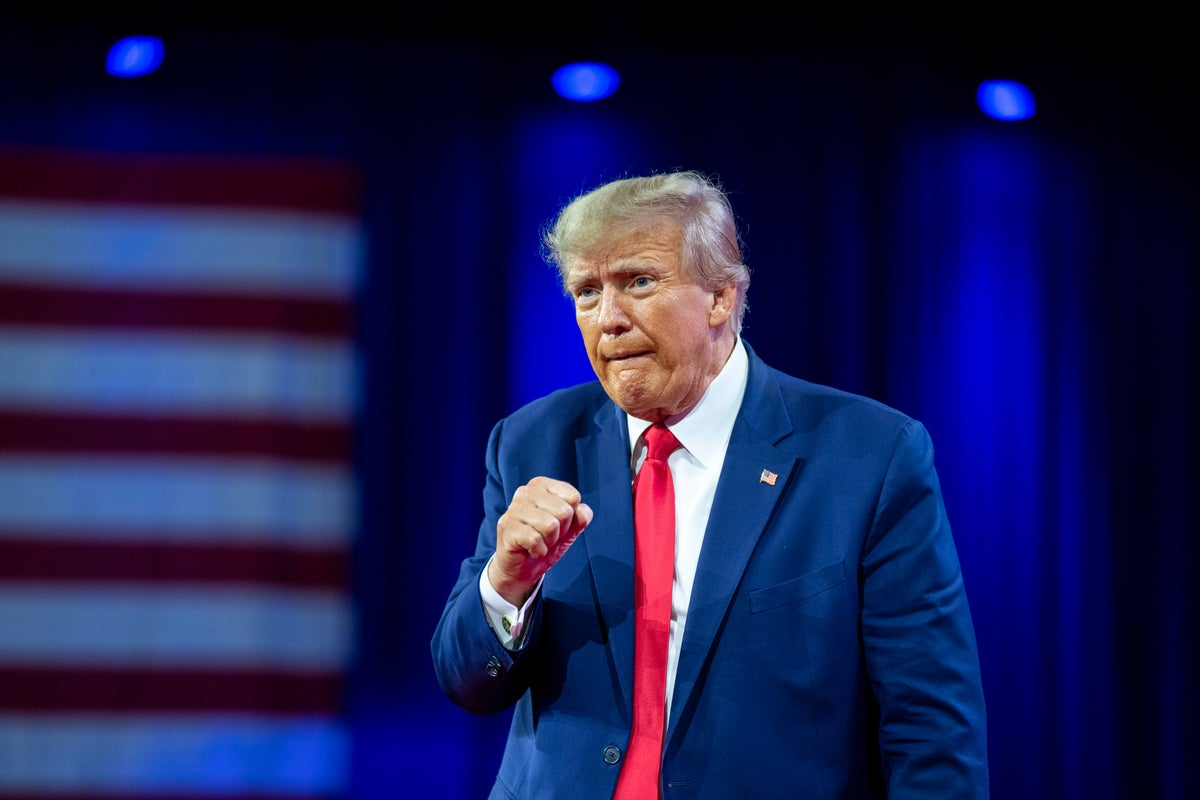
Former President Donald Trump is making unexpected campaign stops in solidly Democratic states as the 2024 election approaches, with rallies planned in California’s Coachella Valley and New York’s Madison Square Garden. While these states are unlikely to sway in his favor, Trump’s team sees potential in rallying Republican voters and boosting fundraising efforts.

Challenging Conventional Campaign Strategy

Trump’s pivot to blue states highlights a strategy that diverges from the traditional focus on swing states. Despite losing California by a significant margin in the 2020 election, he recently claimed to have more support than Vice President Kamala Harris in the state, asserting on a local radio show, “If they had an honest election in California, I think I’d win it in a landslide.”

Republicans acknowledge that winning these states outright is improbable, but they see value in mobilizing local Republican bases, particularly in light of the states’ vast populations, which house a significant number of GOP donors. Trump emphasized this sentiment, stating, “We have a lot of support in California, and I felt I owed it to them,” during a recent interview.

Highlighting Democratic Failures

The rallies provide Trump a platform to criticize the leadership of Democratic officials, such as Harris, who previously held prominent roles in California politics. Trump’s communications director, Steven Cheung, expressed that the Coachella rally aims to expose Harris’ “failing record” and showcase Trump’s proposed solutions.

The former president’s appearances in blue states are designed not only to galvanize local support but also to generate media coverage, which his campaign believes is crucial for maintaining momentum as the election nears. According to a senior Trump adviser, “The location of his rallies matters less in this nationalized media environment. The bigger the rally, the more attention it will get.”

Opposition from Local Officials

Trump’s Coachella rally was met with criticism from local officials, including Coachella Mayor Steven Hernandez, who denounced Trump’s record on issues such as immigration and LGBTQ rights, stating that his views do not represent the values of the community. Hernandez remarked, “We don’t know why Trump is visiting near Coachella, but we know he wasn’t invited by the people who live here.”

Despite this, Trump remains undeterred, believing that large crowds at his rallies signify broad national support. His strategy includes questioning the legitimacy of election outcomes if Harris wins, as he maintains a narrative of being “too big to rig.”

Upcoming Blue State Events

In addition to his Coachella rally, Trump plans to visit Illinois for an event co-sponsored by Bloomberg News and the Economic Club of Chicago, and will make a highly publicized stop at Madison Square Garden on October 27. These events are part of a broader effort to engage voters who may feel disconnected from traditional political processes.

Trump’s team has also employed unconventional campaign tactics, such as appearances on popular podcasts and streaming platforms to reach younger and less engaged demographics. Harris has adopted a similar approach, making her own appearances on various media outlets.

Criticism and Skepticism

While Trump expresses confidence in his chances in blue states, Democratic leaders remain skeptical. Colorado Senator Michael Bennet dismissed Trump’s claims, asserting that there is “no way he’s going to win the state of Colorado” and labeling his campaign efforts there as a “complete waste of his time.”

However, Trump’s strategy appears focused on leveraging issues like crime and immigration, where he believes he can resonate with voters dissatisfied with Democratic governance. During his recent rally in Colorado, he suggested extreme measures, such as expedited deportation of undocumented gang members and the death penalty for those who commit violent crimes against citizens.

Conclusion

As Trump continues his campaign through Democratic strongholds, his rallies aim to energize his base, capitalize on media attention, and critique the policies of his opponents. While the effectiveness of this strategy remains to be seen, it underscores a calculated effort to redefine engagement in the lead-up to the 2024 election.
Trump Escalates Immigration Rhetoric, Calls for Death Penalty for Migrants Who Kill Americans

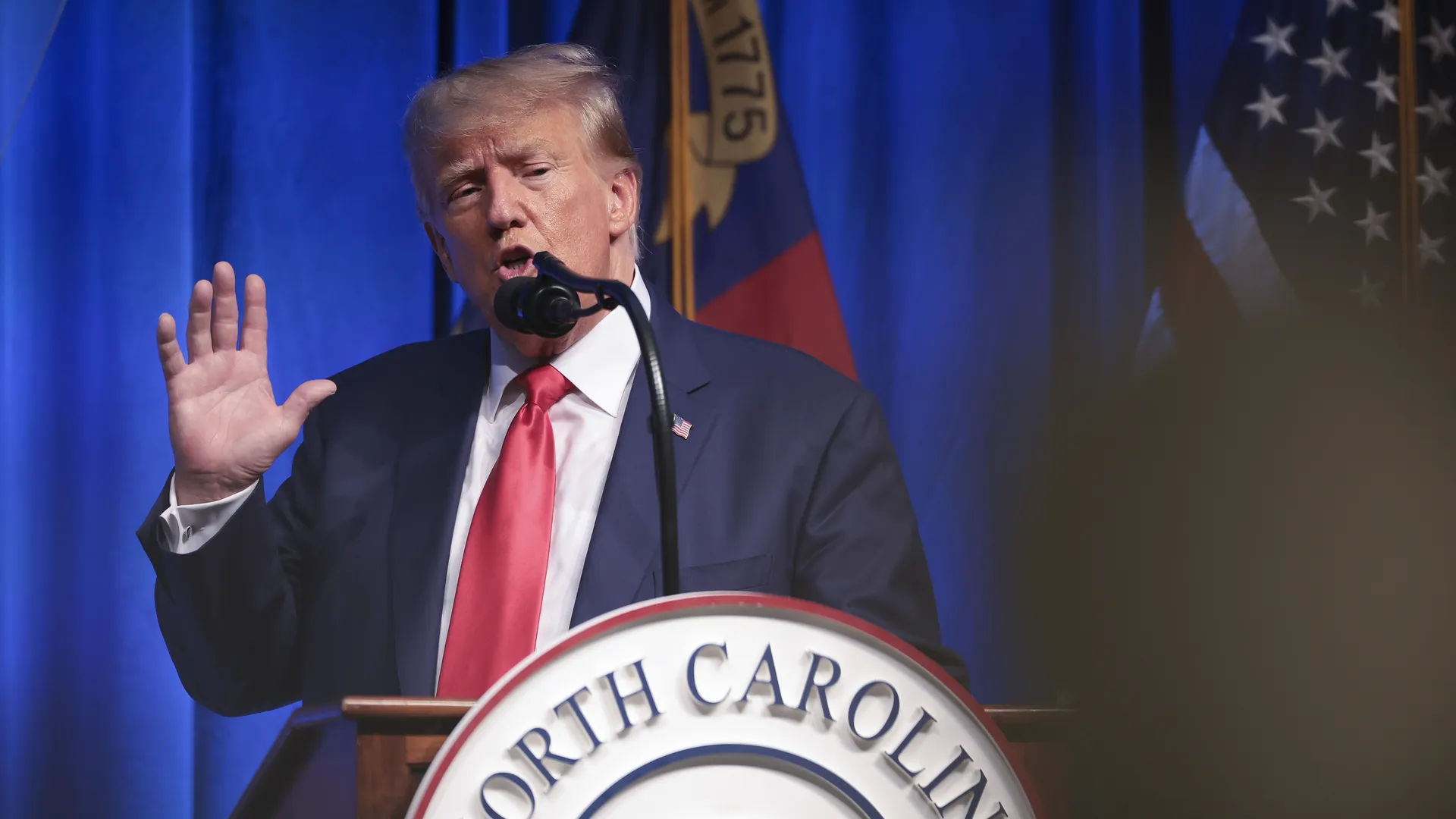
At a rally in Aurora, Colorado, Donald Trump heightened his anti-immigration rhetoric, advocating for the death penalty for migrants who kill U.S. citizens. As part of his presidential campaign, Trump has continued to portray migrants as dangerous criminals, positioning illegal immigration as one of the top voter concerns leading up to the November 5 election, where he faces off against Democratic candidate Kamala Harris.

Trump, surrounded by posters of alleged members of the Venezuelan gang Tren de Aragua, announced that if elected, he would launch “Operation Aurora,” a national effort to target criminal gangs. The rally was attended by a large crowd of supporters who cheered as Trump called for capital punishment for any migrant who kills an American citizen or law enforcement officer.

Death Penalty and Migrant Crime Focus

In his remarks, Trump reiterated his longstanding call to expand the death penalty to include migrants who commit such crimes, along with other offenders, such as individuals convicted of sex trafficking. This expansion would require an act of Congress, as nearly half of U.S. states currently ban the death penalty. Although there is a federal death penalty, it is seldom used, according to the Death Penalty Information Center.

Trump’s focus on “migrant crime” has been a consistent theme in his third bid for the presidency, despite studies showing that immigrants do not commit crimes at higher rates than native-born Americans. However, his stance resonates with many voters, as immigration remains a major concern in the election. Polls show that Trump is perceived by many as the candidate best equipped to address immigration issues.

Kamala Harris’s campaign has not yet responded to Trump’s death penalty proposal. After becoming the Democratic nominee in August, Harris has taken a stronger position on border security and has criticized Trump for stalling a bipartisan border security bill earlier this year.

Aurora in the Spotlight

Trump’s speech in Aurora highlighted a local dispute over gang activity in the city. During a presidential debate with Harris in September, Trump claimed that members of the Tren de Aragua gang had taken control of several apartment complexes in Aurora—allegations that local officials deny. Aurora Mayor Mike Coffman, a Republican, stated that concerns about gang activity have been “grossly exaggerated.” Ahead of Trump’s rally, Coffman invited the former president to tour the city to see the reality of the situation.

At the rally, Trump doubled down on his allegations, pledging to focus enforcement efforts on Aurora and claiming he would “rescue” the city from criminals if reelected. He also vowed to either imprison or deport gang members.

Despite Trump’s dramatic claims, there is no evidence to suggest that any U.S. town, including Aurora, has been overrun by migrants. Major crime rates in Aurora have actually decreased year-over-year, according to statistics from the Aurora Police Department.

Local Reaction and Concerns

Trump’s rally sparked concern among some Aurora residents, particularly migrants and their advocates. V Reeves, a community organizer with the Housekeys Action Network, said that locals were worried about potential threats from Trump supporters. Reuters reported that some apartment complexes in Aurora, at the center of the controversy, had broken windows and litter, and portable police camera stations had been installed.

Jesus, a 30-year-old Venezuelan migrant living in one of the apartments, expressed frustration over being unfairly blamed for the actions of a few. “We are not all bad people,” he said, declining to give his full name for fear of retaliation.

The controversy surrounding gang activity in Aurora stems from complaints about several apartment complexes that house migrants. The city has pressured the landlord, CBZ Management, to address issues such as pest infestations, trash, and safety concerns. In early August, a public relations firm hired by the landlord claimed that members of Tren de Aragua had taken over the properties. These allegations gained widespread attention when a viral video clip showed armed men in one of the apartment buildings.

At the rally, Cindy Romero, a former resident of the apartment complex, shared her experience with crime, stating that it had led her to switch her support from the Democratic Party to Trump.

As Trump’s anti-immigration rhetoric intensifies, the impact of his message on voters remains to be seen, especially in battleground states like Colorado, where immigration is a deeply divisive issue.

Key Concerns for Global Markets in a Tight U.S. Election Race

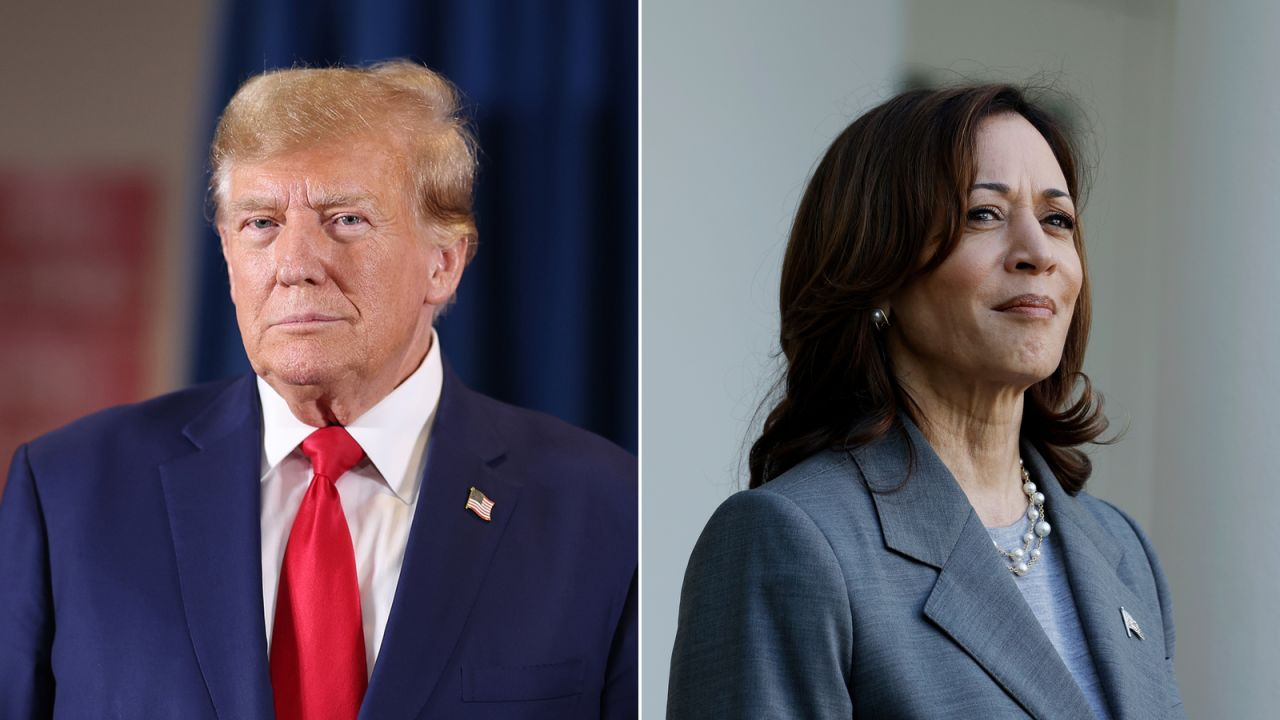
As the U.S. presidential election between Vice President Kamala Harris and former President Donald Trump approaches, global markets are closely watching the outcome. This election is poised to have significant impacts across regions and sectors, influencing trade, currencies, equities, and emerging markets. Below are some of the most important considerations for global markets:

1. European Markets and Trade Relations

A Trump victory could reignite trade tensions, particularly affecting European markets. German automakers like BMW and luxury goods manufacturers such as LVMH may face a challenging outlook if Trump imposes his proposed 10-20% tariffs on imports to the U.S. Barclays has warned that such tariffs could lead to a “high single-digit” percentage drop in European earnings, posing risks to export-heavy sectors.

On the other hand, a Harris win would be relatively more favorable for European equities, especially in sectors like renewable energy. Companies with significant U.S. projects, such as Orsted and Iberdrola, could see benefits from the U.S. push toward cleaner energy. However, Harris’ proposed corporate tax hike, from 21% to 28%, could impact profit margins for both American and European firms with U.S. exposure.

2. Impact on the War in Ukraine

The U.S. election outcome could have broad geopolitical implications, particularly regarding support for Ukraine in its war against Russia. Trump and some Republican lawmakers have voiced skepticism over continued U.S. funding for Ukraine, which could disrupt aid to the country. In contrast, the Democratic side, led by Harris, is likely to maintain or increase support for Ukraine. Aerospace and defense stocks, which have risen over 80% since the onset of the war in 2022, could be particularly sensitive to this issue.

3. Currency Market Movements

Currency markets are bracing for potential swings depending on the election result. Under a Trump presidency, higher tariffs would likely weigh down the euro, with the EUR/USD exchange rate potentially falling to $1.05. A Harris victory, by contrast, could push the euro above $1.15 as markets anticipate fewer disruptions to global trade.

Additionally, currencies tied to trade with China, such as the Australian and New Zealand dollars, could suffer under a Trump victory due to heightened tariffs. Sweden’s and Norway’s currencies may also be vulnerable to global trade disruptions, while the Canadian dollar might face headwinds if a Harris win leads to expectations of slower U.S. economic growth.

4. China and Global Trade Dynamics

China is a significant player in the global economy, and the U.S.-China relationship is central to world trade dynamics. A Trump win could lead to an escalation of trade wars, which would likely cause U.S. investors to further retreat from Chinese assets. Tariffs and sanctions on Chinese companies could be severe, with estimates suggesting a 60% tariff under Trump could cause Chinese stocks to drop by 13%.

Conversely, Harris is expected to take a more measured approach, with targeted tariffs rather than sweeping economic policies. If Beijing anticipates new U.S. tariffs, it may respond with increased state spending to counterbalance trade losses, potentially providing short-term relief to the Chinese economy.

5. Emerging Markets Under Pressure

Emerging market (EM) equities have been underperforming developed markets for much of the past decade, but they are now showing signs of recovery. Falling U.S. interest rates and easing inflation have created an environment conducive to EM growth. However, a Trump victory, accompanied by the resurgence of global tariffs, could suppress this optimism.

Mexico, given its strong trade ties with the U.S., stands to lose the most under Trump. The Mexican peso, already sensitive to U.S. election news, could face further pressure if Trump reintroduces aggressive trade policies. JPMorgan and UBS have cautioned against taking large positions in EM assets until the election risk passes, with UBS warning of potential 11% losses in EM equities by 2025 if Trump’s tariffs materialize.

Conclusion

The upcoming U.S. presidential election is pivotal for world markets, with the outcome likely to shape global trade, currency markets, and investor sentiment in significant ways. European markets may brace for renewed trade tensions under Trump, while a Harris victory would offer a steadier, more progressive path for global commerce. China remains at the heart of the U.S. trade conflict, with risks on both sides, and emerging markets, particularly those heavily reliant on trade with the U.S., face an uncertain future.