Yazılar

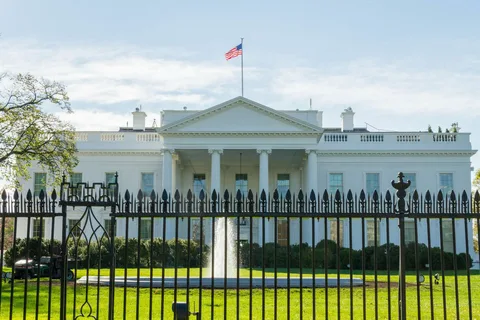
Why Pennsylvania Could Hold the Keys to the White House

Pennsylvania’s importance in the U.S. presidential election has never been more crucial. With its 19 electoral votes, it stands as a pivotal battleground state that could very well determine the next occupant of the White House. According to political analyst Nate Silver, the candidate who wins Pennsylvania has a 90% chance of winning the presidency. This has led both the Kamala Harris and Donald Trump campaigns to focus heavily on securing a win in this state, as it could tip the balance in the race for the highest office in the U.S.

Pennsylvania is often referred to as the “Keystone State,” not just because of its geographical location but also for its symbolic importance in elections. If Harris manages to win Pennsylvania alongside Michigan, Wisconsin, and one congressional district in Nebraska, she is likely to secure the presidency. On the other hand, if Trump flips Pennsylvania along with North Carolina and Georgia, he could find his way back to the White House.

A Swing State That Mirrors America

What makes Pennsylvania so critical is that it serves as a microcosm of the broader United States. With a diverse economy that includes agriculture, energy, and new industries, as well as a population that is predominantly white but growing in diversity, it reflects the national landscape. Urban areas like Philadelphia and Pittsburgh lean heavily Democratic, while vast rural regions are strongholds for Republicans. The once-reliably conservative suburbs are now trending left, creating a political environment where the balance is constantly shifting.

In recent elections, Pennsylvania has remained fiercely competitive. Joe Biden won the state by just 80,000 votes in 2020, while Trump took it by about 40,000 in 2016. Only once in the last 40 years has a candidate won the state by double digits—Barack Obama in 2008. This ongoing electoral tightrope walk makes Pennsylvania a top priority for both campaigns.

Campaign Strategies for the Keystone State

Both Harris and Trump have been dedicating significant resources to Pennsylvania, spending more on advertising there than in any other swing state. Harris introduced her running mate, Tim Walz, at a rally in Philadelphia, and has spent considerable time campaigning in Pittsburgh, a key city in her electoral strategy. Trump, meanwhile, has held large rallies in Butler and Scranton, targeting areas where he enjoys significant support.

For Harris, the key to victory lies in dominating the urban vote in Philadelphia and Pittsburgh and winning the suburbs by enough to counter Trump’s dominance in rural areas. A big part of her strategy is appealing to moderate Republicans, especially the 160,000 voters who supported Nikki Haley in the state’s Republican primary, held after Trump had already secured the nomination. To this end, Harris is positioning herself as a centrist candidate, seeking to dispel any notions of radical leftism. Craig Snyder, a former Republican staffer, leads the “Haley Voters for Harris” initiative, which aims to win over moderate Republican voters.

Trump’s strategy revolves around maximizing turnout in the rural and conservative parts of Pennsylvania. His campaign has focused on registering new voters and mobilizing those who haven’t participated in past elections. Although Democrats still outnumber Republicans in the state, the margin has narrowed to just a few hundred thousand, the smallest gap since 1998. The Trump campaign also aims to peel away support from traditional Democratic voters, particularly among blue-collar union workers and young Black men, who have shown growing support for Trump in national polls.

The High Stakes of Pennsylvania

Both campaigns understand that winning Pennsylvania is critical. Trump’s team is banking on their grassroots efforts to turn out rural and suburban conservatives, while Harris is hoping to maintain strong support in urban areas and sway moderate Republicans. With the race in the state nearly deadlocked, the outcome in Pennsylvania could ultimately determine who will be sworn in as president in January.
 

Economic Concerns Drive Young Voter Engagement in the Upcoming US Presidential Election

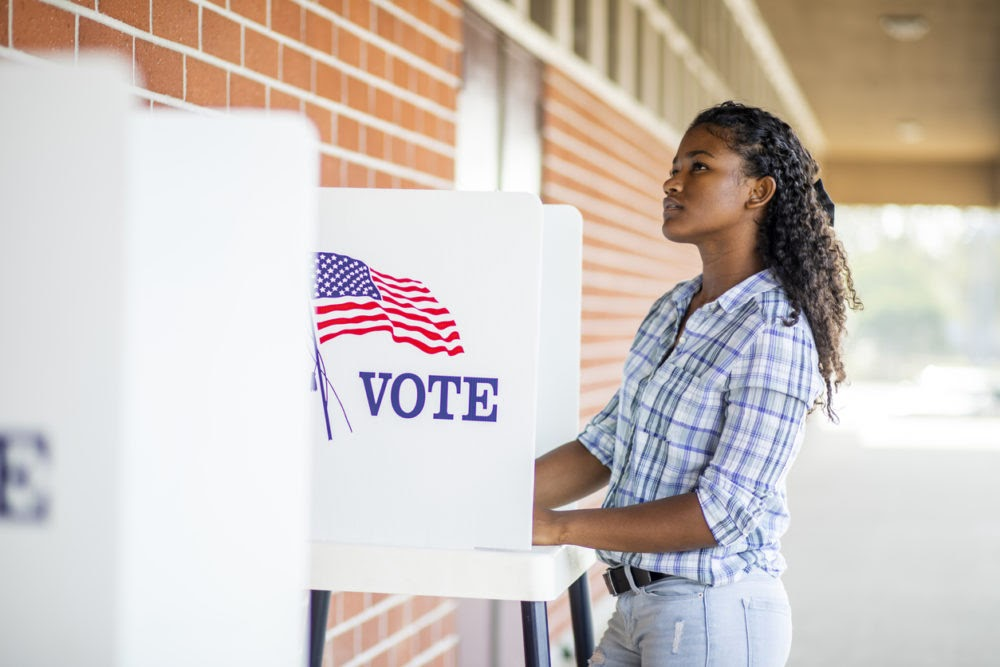
With the US presidential election looming, both parties are increasingly focused on a crucial demographic: young voters. Economic issues, particularly inflation and housing costs, are emerging as significant motivators for this group as they head to the polls.

For 21-year-old Isabella Morris from Rosenberg, Texas, this election marks her first opportunity to vote. Balancing part-time work with childcare responsibilities, she and her husband struggle to make ends meet while living in a small one-bedroom apartment. Despite managing to pay off their debts, Isabella expressed concerns about their lack of savings and the precariousness of their financial situation. “We can’t afford any mistakes. One job used to be enough to live on, even at a minimum wage. Now it feels like we’re barely scraping by,” she shared. Her economic fears will guide her voting decisions in November, although she remains undecided about which candidate to support.

Isabella is among approximately 8 million young people voting in a presidential election for the first time. Representing roughly one-third of the electorate, voters under 35 are becoming a focal point for both parties, with polls indicating that the economy tops their list of priorities this election cycle. A recent Gen Forward Survey conducted by the University of Chicago revealed that while issues like reproductive rights and gun violence garner attention, young voters aged 18-26 prioritize economic growth, income inequality, and poverty above all else. This marks a shift from the 2020 election, where COVID-19, racism, and healthcare dominated concerns.

The economic landscape presents daunting challenges for young voters, characterized by soaring rents, unaffordable housing, and stagnant job creation. Economics influencer Kyla Scanlon, who has amassed over 180,000 followers on TikTok, emphasized the grim reality for today’s youth, stating, “The overall situation has degraded,” and pointing out that young people face greater financial hurdles than previous generations.

Data from TransUnion indicates that individuals aged 22-24 carry more debt—including credit cards, car loans, and mortgages—than millennials did at the same age, with their debt growing faster than their income. “There’s no beginner mode anymore—the bottom rung of the ladder just feels completely gone,” Scanlon added. Experts suggest that these financial anxieties could galvanize young voters to participate in the election. Abby Kiesa, deputy director of the Center for Information and Research on Civic Learning and Engagement (CIRCLE), anticipates that about half of young voters will cast their ballots this year, maintaining the high turnout seen in the 2020 election.

As candidates intensify their efforts to engage young voters, they are sharpening their economic messages. Vice President Kamala Harris has built on the Biden administration’s economic initiatives, proposing a $25,000 subsidy for first-time homebuyers and a $6,000 tax credit for families with newborns. Her campaign has notably increased youth organizing efforts and leveraged celebrity endorsements to connect with younger voters. In contrast, Donald Trump has sought to capitalize on economic dissatisfaction by criticizing the current administration’s record while promising to eliminate taxation on tips and remove regulatory barriers on cryptocurrency.

Polling suggests Trump previously made gains among young voters, with many believing he managed the economy better than Biden. However, a recent Harvard Institute of Politics poll indicates that Harris now leads Trump by a significant margin among likely voters aged 18-29.

The economic climate not only motivates young voters but also inspires some to run for office themselves. Gabriel Sanchez, a 27-year-old Democratic candidate for the Georgia state legislature, is campaigning to address the financial struggles of his generation. Working as a waiter, he has faced repeated rent hikes and expressed concerns about the accessibility of stable housing. “Most of us aren’t able to own a home, afford healthcare, or buy the basic things we need,” he stated on TikTok, underscoring his desire for representation that understands the challenges facing young Americans.

Sanchez’s campaign reflects a growing trend among young candidates, with Wyatt Gable, a 21-year-old Republican primary winner in North Carolina, also entering the race. If elected, Gable would become the youngest person to hold a seat in the state legislature, and he shares Sanchez’s belief that economic concerns will dominate young voters’ minds in the upcoming election. “My generation feels it. Seeing how bad inflation is, and with interest rates skyrocketing, that’s going to be the biggest thing on young people’s minds when they go to the ballot box,” he remarked.

Venture Capitalist Ben Horowitz Pledges Donation to Vice President Kamala Harris’ Campaign

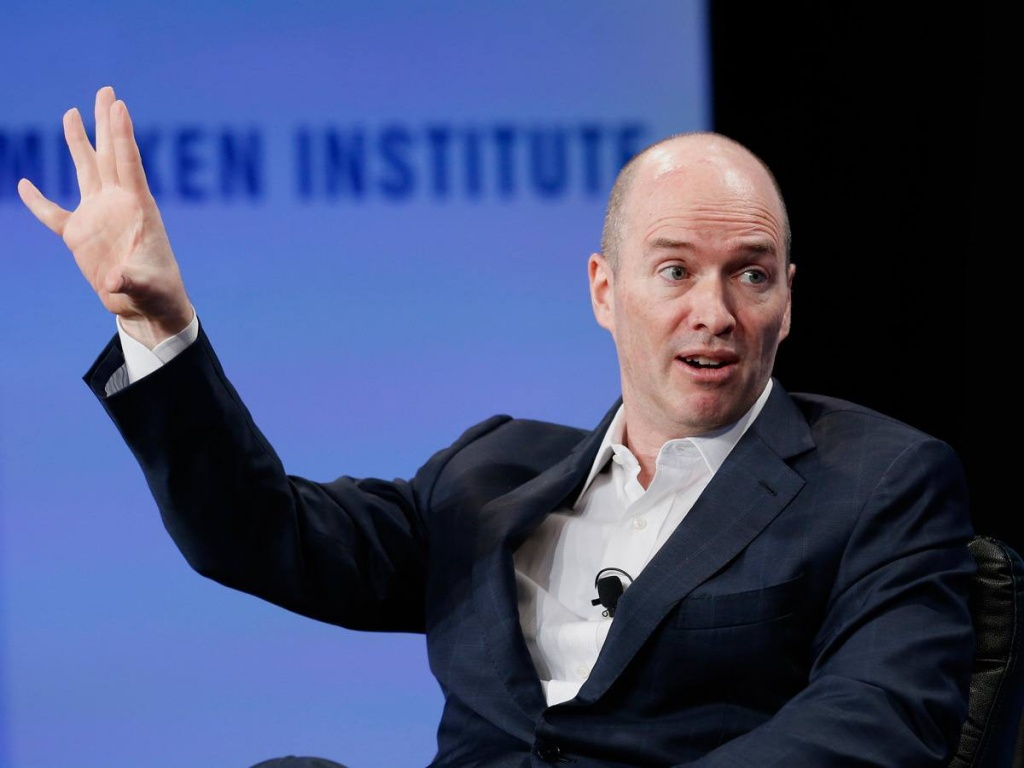
Venture capitalist Ben Horowitz, co-founder of Andreessen Horowitz, revealed plans to donate to Vice President Kamala Harris’ election campaign, despite previously pledging support to Donald Trump’s political action committees. In a letter to employees, Horowitz explained that his donation was driven by a longstanding personal friendship with Harris and her support over the past decade.

Horowitz and his wife, Felicia, have known Harris for over 10 years, and their close relationship motivated them to contribute financially to entities supporting the Harris-Walz campaign, as confirmed by CNBC. This move marks a notable shift after the firm’s earlier financial backing of Trump’s 2024 bid, which was attributed to their focus on defending policies favoring “Little Tech”—a term they use to describe smaller tech companies and startups.

Horowitz’s Letter and Motivation

In his letter, Horowitz updated his employees on his recent political activities. He wrote:
“As I mentioned before, Felicia and I have known Vice President Harris for over 10 years, and she has been a great friend to both of us during that time. As a result of our friendship, Felicia and I will be making a significant donation to entities that support the Harris-Walz campaign.”

While Horowitz expressed confidence in Harris based on their personal conversations, he noted that her team has not yet made clear their official tech policy, meaning Andreessen Horowitz, as a firm, has not altered its broader political stance. The firm has been highly critical of the Biden administration‘s policies regarding startups and cryptocurrency, positioning their political donations primarily in defense of these sectors.

Support for Trump and “Little Tech”

Horowitz’s decision to support both Harris and Trump highlights a complex political balancing act within Silicon Valley’s venture capital community. In July, Horowitz and Marc Andreessen voiced concerns about Big Tech regulation and policies they believed could stifle smaller tech companies and innovation. Their decision to donate to Trump’s campaign was framed around defending these principles.

Andreessen Horowitz has been outspoken in protecting the interests of smaller tech firms, especially in response to the current administration’s regulatory stance on startups and cryptocurrency. They outlined their position in a blog post in July, stating, “Our political efforts as a firm are entirely focused on defending Little Tech. We do not engage in political fights outside of issues directly relevant to Little Tech.”

A Split Political Strategy

Horowitz’s decision to financially back candidates from both major political parties suggests a strategic approach to ensure influence over policies critical to Silicon Valley’s interests. While he acknowledges Harris’ contributions as a personal friend, the firm’s leadership remains focused on advocating for pro-tech policies that benefit their investments in emerging technologies and startups.

This dual-track strategy illustrates the tensions many tech leaders face in navigating the political landscape while protecting the innovation ecosystem they rely on.