Yazılar

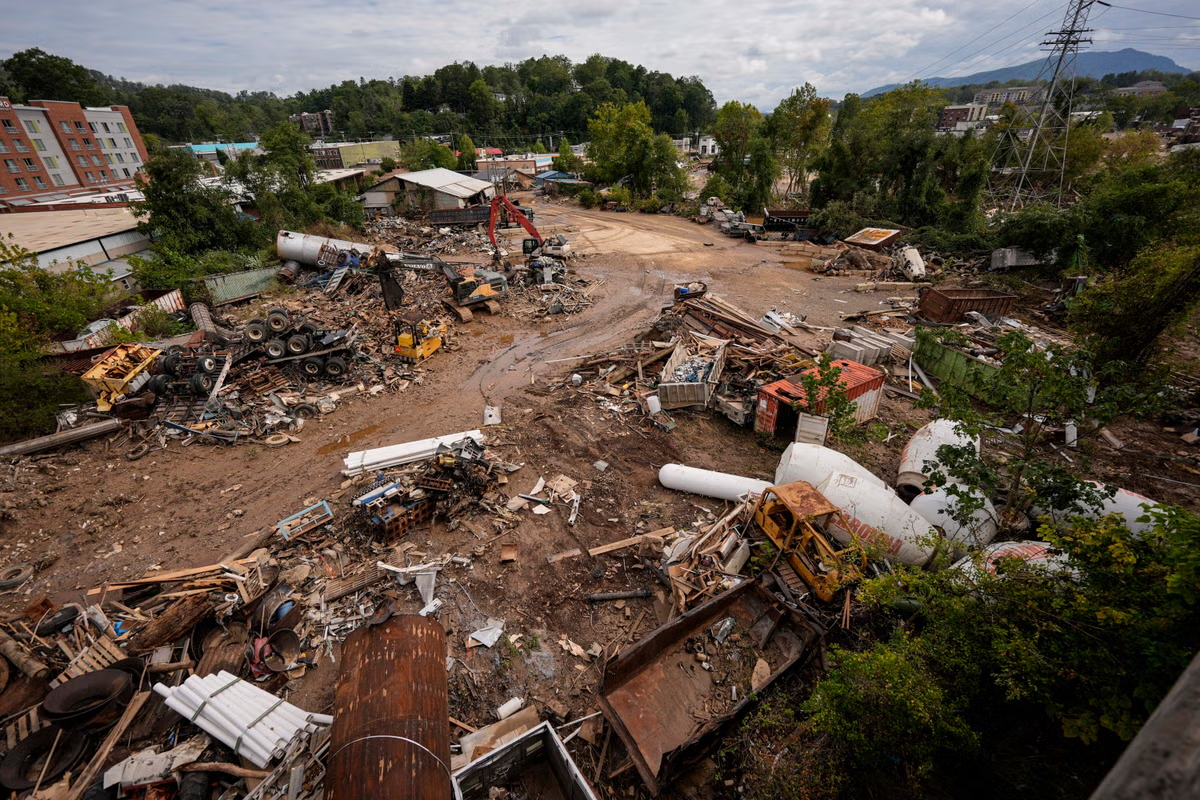
Thousands in North Carolina Still Without Water Days After Hurricane Helene’s Destruction

Six days after Hurricane Helene hit the U.S. Southeast, tens of thousands of North Carolina residents are still without running water, with more than 180 fatalities reported across multiple states. The hurricane caused widespread flooding, severely damaging water plants and infrastructure, leaving many residents with no access to clean water. Over a million people remain without electricity, and water distribution sites have been set up to provide essentials to those in need.

The hardest-hit region, Asheville, is experiencing one of the most significant water crises. The city’s water supply system, serving over 150,000 people, has been severely damaged, with residents warned that running water may not return for weeks. Some neighborhoods have no water at all, while others face low pressure and have been advised to boil water before using it. The impact is widespread, affecting homes, businesses, hospitals, and schools, with authorities working around the clock to restore services.

At a food and water distribution hub set up in Pack Square Park, volunteers distributed drinking water and ready-to-eat meals. David Shoham, a resident who has been without power and water since Friday, expressed a common sentiment: “There’s nothing we can do about it individually. We just have to trust that our institutions are going to step up.”

Local businesses are also struggling. Jordan Lance, owner of Buxton Chicken Palace, has been collecting water to prepare meals for residents, though the uncertainty about how long the water shortage will last has left many business owners concerned about their future. Harrison Fahrer, co-founder of Cellarest Beer Project, echoed these concerns, stating, “If we can’t brew, we can’t pay our bills.”

The storm, which first made landfall in Florida as a Category 4 hurricane, brought catastrophic flooding and destruction across the Southeast, affecting multiple states. In Asheville, the storm washed out key water pipes, severely damaging water plants, including North Fork and DeBruhl, making it difficult to restore services. The U.S. Army Corps of Engineers and the National Guard have been deployed to assist in recovery efforts, but the timeline for full restoration remains uncertain.

At least 61 people have died in Buncombe County alone, bringing the storm’s overall death toll to 189 across six states. In addition to the water crisis, search-and-rescue teams are still working to locate the missing and provide aid to survivors.

President Joe Biden visited North Carolina to assess the damage, while Vice President Kamala Harris traveled to Georgia, emphasizing the need for continued federal support in the recovery process. The water crisis in Asheville has also led to the closure of schools, with local officials emphasizing that they cannot reopen without a reliable water supply.

As residents face weeks of uncertainty, the community is banding together to support one another, but the road to recovery will be long.
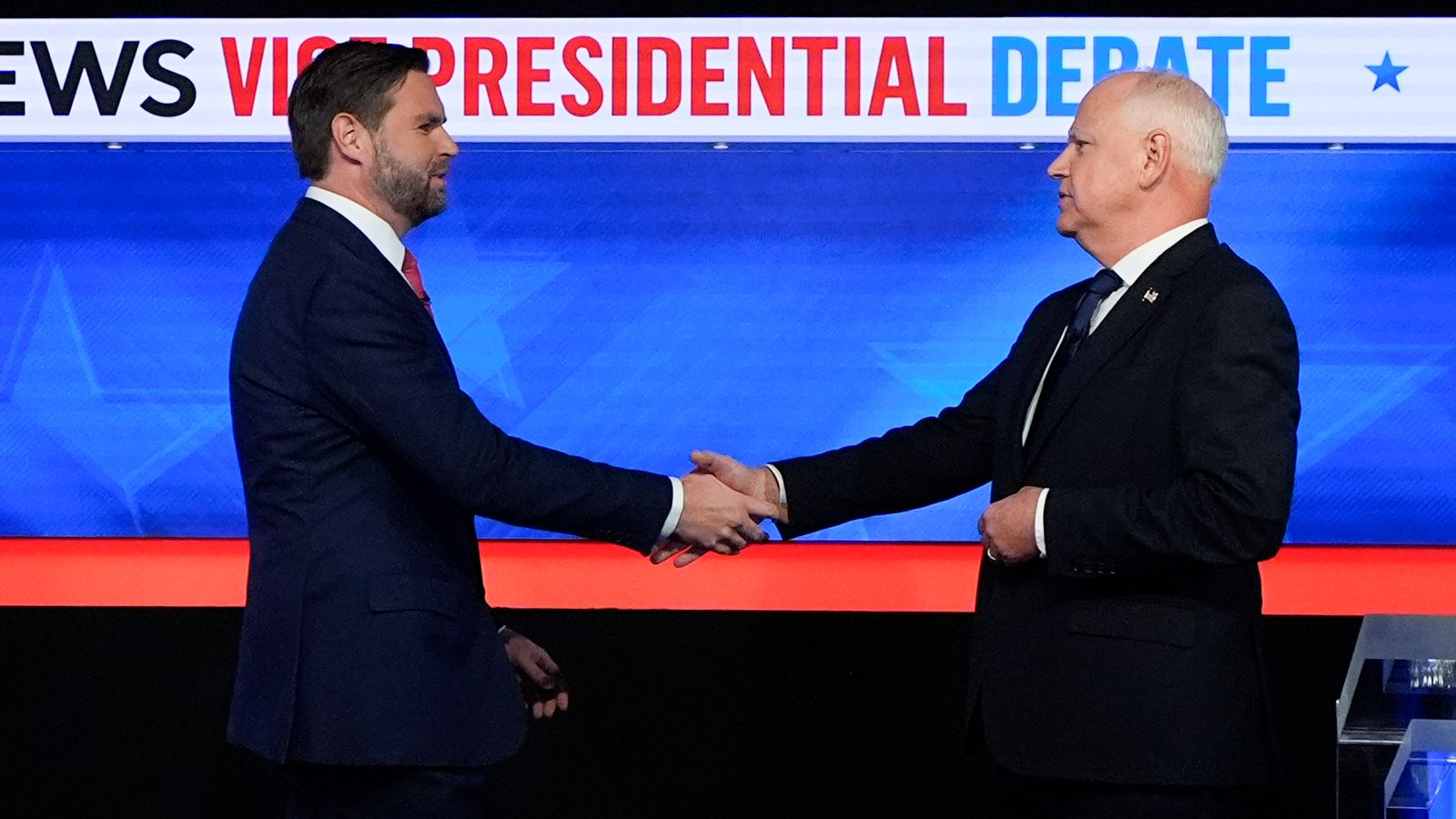
 

Walz and Vance Clash Politely in Policy-Focused Vice Presidential Debate

In a relatively civil vice presidential debate, Democrat Tim Walz and Republican JD Vance sparred over key policy issues on Tuesday, leaving behind the inflammatory rhetoric that has marked much of the election season. Although both candidates have been vocal critics of each other on the campaign trail, they directed much of their criticism at the leading figures of their respective tickets—Democratic Vice President Kamala Harris and former Republican President Donald Trump.

Tensions flared during the closing moments when Vance, who has previously expressed doubts about the legitimacy of the 2020 election, dodged a question on whether he would challenge the results of this year’s election if Trump were to lose. Walz, Minnesota’s governor, accused Vance of avoiding accountability, tying Trump’s false claims of voter fraud to the January 6, 2021, attack on the U.S. Capitol.

Focused Policy Debate Throughout the debate, both candidates covered a wide range of issues, including the escalating Middle East crisis, inflation, immigration, taxes, abortion, climate change, and the economy. Vance, a U.S. senator from Ohio, used the opportunity to question Vice President Harris’s track record on economic issues, while Walz attacked Trump’s foreign policy and leadership, accusing him of mishandling immigration reform during his presidency.

The debate also touched on the growing conflict in the Middle East, with Vance suggesting that Israel should have the autonomy to decide on preemptive strikes against Iran, while Walz criticized Trump’s erratic approach to international affairs.

Moderated Tone, Underlying Tensions Despite the sharp contrasts in their policy positions, both candidates maintained a cordial tone, embodying what has been described as “Midwestern nice.” Vance was careful in his criticism of Harris but focused on attacking her handling of inflation and immigration, suggesting that she should have already implemented solutions rather than waiting for another term. Walz, meanwhile, painted Trump as an unpredictable leader who favored billionaires and failed to deliver on his campaign promises, particularly in regard to immigration.

Political Fallout Vice presidential debates rarely sway elections, but with the race as close as it is, even small shifts in voter opinion could prove decisive. Both candidates aimed to solidify their support while attempting to win over undecided voters. While Vance defended Trump’s record, he was pressed on his own previous criticisms of the former president, admitting he was wrong about Trump in the past. Walz, in turn, faced questions about past claims that he was present during the 1989 Tiananmen Square protests, admitting he had misspoken.

Polls have shown mixed feelings about both vice-presidential candidates. Vance, despite being a best-selling author, is viewed unfavorably by 51% of registered voters. Walz, a former high school teacher, fares slightly better, but the tight race remains unpredictable, especially in the swing states.


Trump Repeats Insults About Harris’ Mental State Amid GOP Calls to Focus on Issues

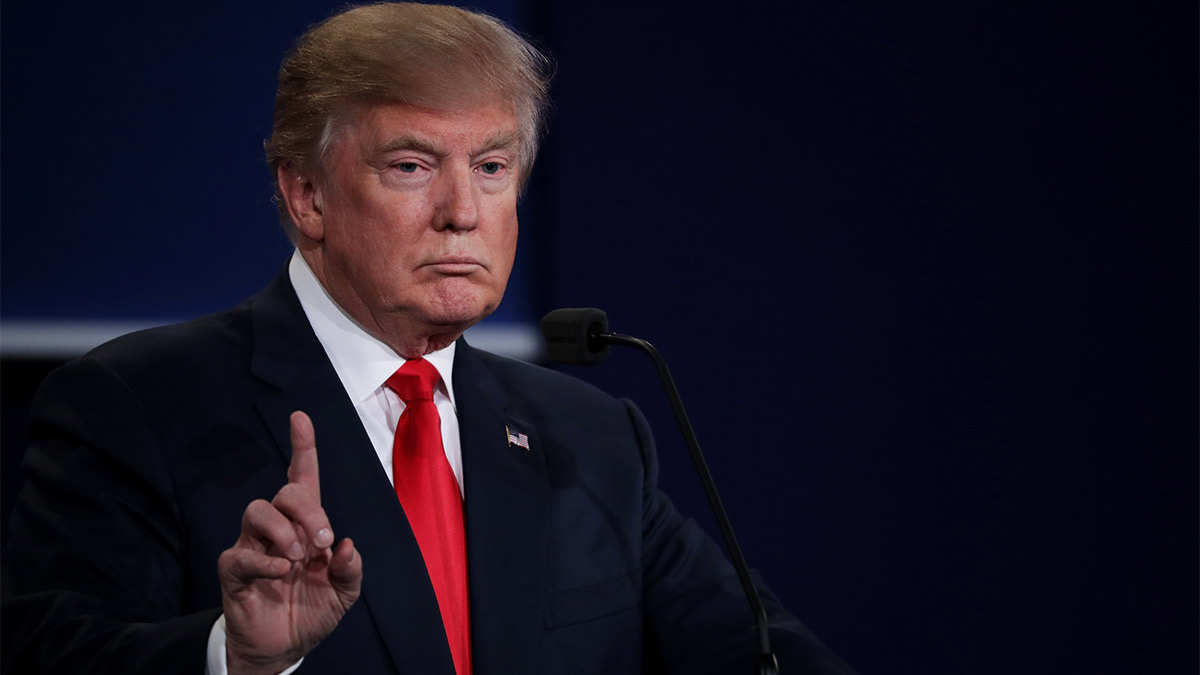
Donald Trump doubled down on his personal attacks against Vice President Kamala Harris, questioning her mental state during a rally in Erie, Pennsylvania, on Sunday. His remarks followed similar comments made the previous night in Prairie du Chien, Wisconsin, where he accused Harris of being “mentally impaired.” Trump linked Harris to illegal immigration under the Biden administration, stating, “Only a mentally disabled person could’ve allowed this to happen to our country.”

These insults have prompted some Republican allies to urge Trump to shift his focus to policy issues. Senator Lindsey Graham, a key Trump supporter, appeared on CNN’s State of the Union, advising Trump to concentrate on the economy, border security, inflation, and foreign policy—areas where voters tend to favor him. While Graham rejected Trump’s characterization of Harris as mentally impaired, he criticized her policies, describing them as “crazy liberal.”

House Majority Whip Tom Emmer echoed this sentiment during an appearance on ABC’s This Week, urging Trump to “stick on the issues.” When pressed on whether he believed Harris was “mentally disabled,” Emmer responded by saying, “Kamala Harris is the wrong choice for America,” without addressing Trump’s specific remarks.

Critics within the GOP, including former Maryland Governor Larry Hogan, voiced their disapproval of Trump’s rhetoric. Hogan, a known Trump critic, called the comments “insulting not only to the vice president but to people who actually do have mental disabilities.” He reiterated his longstanding opposition to Trump’s divisive language.

However, not all Republicans condemned Trump’s statements. Former House Speaker Kevin McCarthy, who continues to back Trump despite their tense past, defended the former president. McCarthy suggested that Harris’ handling of immigration warranted criticism, stating, “Do you think anybody would be mentally stable that would allow 13,000 murders into your own country?” He cited a statistic frequently misrepresented by right-wing commentators in attacks on Harris’ immigration record.

Steven Cheung, communications director for Trump’s campaign, doubled down on the attacks, declaring that Harris is “wholly unfit to serve as president,” while further criticizing her record on immigration. Harris’ campaign spokesperson, Sarafina Chitika, responded by accusing Trump of offering “nothing ‘inspiring’ to voters, just darkness,” in a statement following Trump’s remarks.