Yazılar

NASA Announces Crew for Axiom Space’s Fourth Private Astronaut Mission in 2025

NASA Finalizes Crew for Axiom Space’s Fourth Private Astronaut Mission in 2025

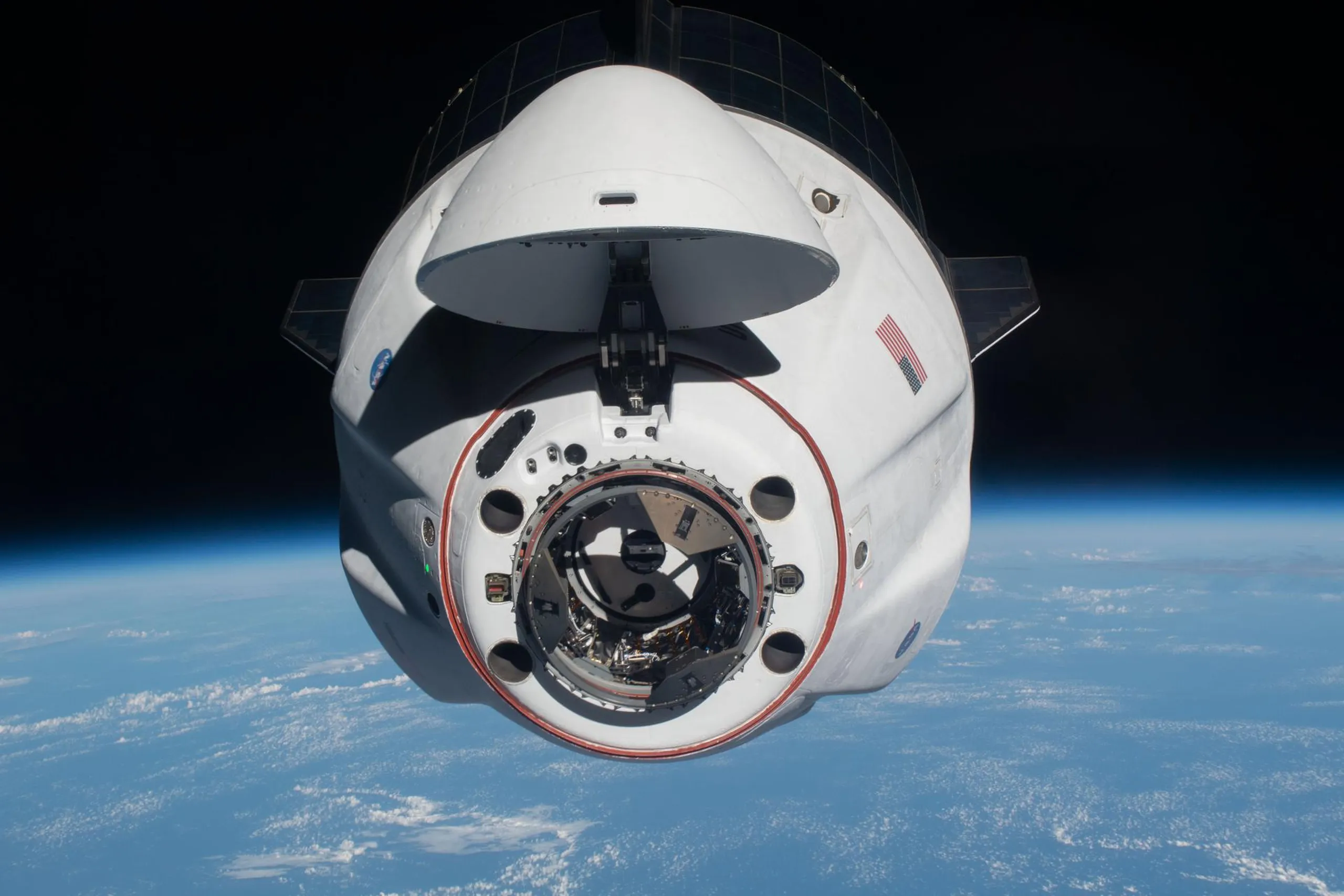
NASA and its international partners have officially confirmed the crew for Axiom Space’s fourth private astronaut mission, which is set to launch no earlier than spring 2025. The mission, departing from NASA’s Kennedy Space Center in Florida, will see four astronauts travel aboard a SpaceX Dragon spacecraft to spend up to 14 days aboard the International Space Station (ISS). The team includes former NASA astronaut and Axiom Space’s director of human spaceflight, Peggy Whitson, who will serve as the mission commander, along with ISRO astronaut Shubhanshu Shukla as pilot. Additionally, mission specialists Sławosz Uznański-Wiśniewski from the European Space Agency (ESA) and Tibor Kapu from Hungary will join the crew.

Expanding Access to Space Through Private Missions

Private astronaut missions have played a crucial role in advancing operations in low Earth orbit, according to NASA’s ISS Program Manager, Dana Weigel. These missions are opening the door for more commercial activities in space and enabling a greater number of scientists and researchers to access the microgravity environment of the ISS. The upcoming mission is especially significant as it will be the first time an astronaut from the Indian Space Research Organisation (ISRO) will visit the ISS, underscoring the growing international collaboration in space exploration. It will also mark the first stay on the ISS for astronauts from Poland and Hungary, further broadening the global reach of these private spaceflights.

Axiom Space’s Role in Private Space Exploration

Axiom Space has been rapidly expanding its private spaceflight program, with the upcoming mission marking another milestone for the company. Since its first mission in April 2022, Axiom has steadily increased its presence in commercial space operations. The most recent mission, Axiom Mission 3, saw astronauts spend 18 days aboard the ISS in January 2024, continuing the trend of extended stays. Peggy Whitson, who also commanded Axiom Mission 2 in May 2023, has emphasized the importance of international cooperation in private space exploration, noting that each mission fosters new opportunities for collaboration and growth in the commercial space sector.

The Significance of the Mission for Global Space Partnerships

The inclusion of astronauts from various space agencies highlights the increasing importance of international partnerships in the field of space exploration. Axiom Space’s missions are becoming platforms for global cooperation, bringing together astronauts from different nations to work together aboard the ISS. These missions not only contribute to the growth of commercial spaceflight but also enable valuable scientific research and technological advancements that benefit humanity as a whole. With each new mission, Axiom Space and its collaborators are shaping the future of space exploration, making space more accessible to a wider range of countries and organizations.

Vodafone Achieves First-Ever Satellite Video Call Using Standard Smartphone

Vodafone has announced the successful completion of the world’s first video call via satellite using a standard smartphone from a remote location. The call was made from the Welsh mountains, an area with no network signal, and the technology is set to be rolled out across Europe later this year and into 2026. The CEO of Vodafone, Margherita Della Valle, received the video call on Monday from company engineer Rowan Chesmer, who was in the remote location.

“We were using the only satellite service that offers a full mobile experience with a standard device, which allows for voice, text, and video data transmission, making a full video call possible,” Della Valle explained in an interview. The company’s goal is to bring this service to its customers as soon as possible.

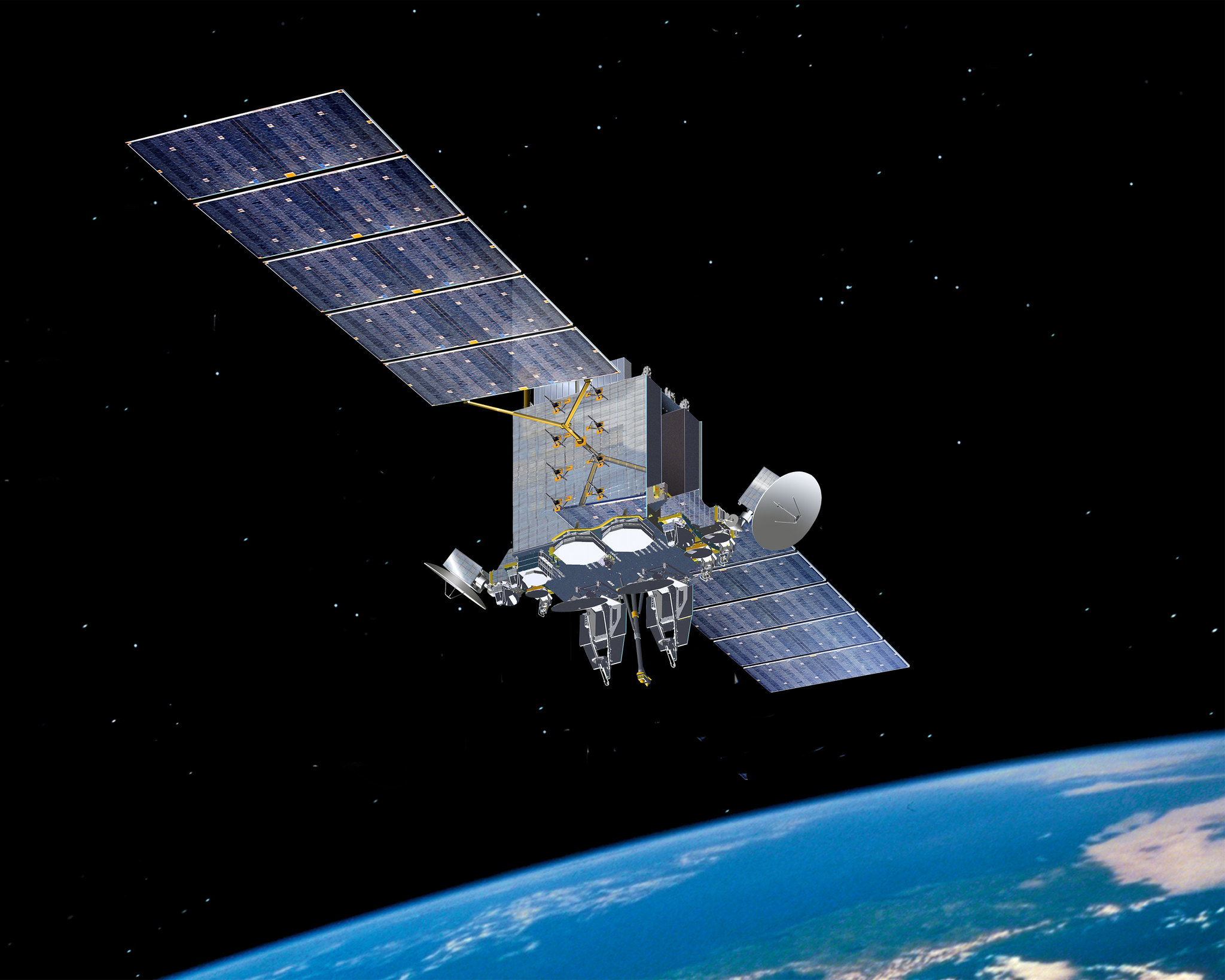
Vodafone’s video call success is powered by AST SpaceMobile’s five BlueBird satellites in low-Earth orbit, enabling data transmission speeds of up to 120 megabits per second for regular smartphones. Vodafone is an investor in AST SpaceMobile, alongside companies like AT&T, Verizon, and Google.

The move is part of a growing effort by mobile operators and smartphone manufacturers to use satellite technology to close network coverage gaps. Apple’s iPhones have been able to send emergency texts and share locations using satellites since the iPhone 14, and other tech companies like Google and Samsung are providing similar services.

T-Mobile U.S. and SpaceX are testing Starlink satellites for text services, with plans to include voice and data in the future. Apple’s latest iPhones and some Android devices are eligible for these services.

British astronaut Tim Peake joined Della Valle at the launch of Vodafone’s space-to-land gateway at its headquarters in Newbury, UK. This gateway facilitates communication between a user’s smartphone and the satellite network, connecting signals into Vodafone’s core network. Peake, who spent 186 days in space and became the first Briton to conduct a spacewalk in 2015, praised the ability to provide mobile coverage through space technology.

“Having spent time in space, I understand the importance of staying connected with family and friends, especially in isolated environments,” Peake said. He also expressed his enthusiasm for future missions, saying he would “put his hand in the air” if another opportunity arose.

Japan and India Startups Collaborate on Laser-Equipped Satellite for Space Debris Removal

Startups from Japan and India have announced a partnership to explore the potential of using laser-equipped satellites to address the growing problem of space debris. The collaboration, revealed on Tuesday, involves Orbital Lasers, a Tokyo-based company, and InspeCity, an Indian robotics firm. Their goal is to develop innovative in-space services, including the de-orbiting of defunct satellites and extending the operational lifespan of spacecraft.

Innovative Approach to Space Debris

Orbital Lasers, spun off from the Japanese satellite company SKY Perfect JSAT earlier this year, is working on a technology that uses laser energy to neutralize space junk. The system will vaporize small sections of debris’ surfaces, causing it to stop rotating and making it easier for servicing spacecraft to capture and de-orbit it. The companies aim to test this system in space and make it available for operators after 2027, according to Aditya Baraskar, the global business lead at Orbital Lasers. If regulatory approvals are granted in both India and Japan, the laser system could be mounted on InspeCity’s satellites.

Business Potential and Strategic Collaboration

The partnership was formalized with a preliminary agreement, marking the start of a feasibility study into the commercial potential of these space debris mitigation technologies. InspeCity, founded in 2022, secured $1.5 million in funding last year, while Orbital Lasers has raised 900 million yen (approximately $5.8 million) since its inception in January.

Growing Space Traffic and the Need for Action

The initiative comes as orbital congestion becomes an urgent issue. A United Nations panel on space traffic management highlighted the growing need to track and manage objects in low Earth orbit (LEO) due to the rising number of satellites and space debris. With over 100 companies already involved in space servicing, including satellite constellations and debris mitigation, the market is rapidly expanding. Nobu Okada, CEO of Astroscale, a Japanese leader in debris mitigation, emphasized the necessity of addressing this challenge to ensure the sustainability of space activities.

Expanding India-Japan Space Collaboration

This project represents another milestone in the ongoing India-Japan space collaboration. Both countries are working together on the Lunar Polar Exploration (LUPEX) mission, with a possible launch by 2026. Additionally, Skyroot, an Indian rocket manufacturer, and HEX20, a satellite builder, are collaborating with ispace, a Japanese lunar exploration company, on a lunar orbiter mission.

Strengthening Commercial Ties

The growing commercial ties between Japan and India also reflect efforts to expand space cooperation beyond traditional areas. Masayasu Ishida, CEO of SPACETIDE, a Tokyo-based nonprofit hosting space business conferences, explained that the two countries’ collaborations, such as using Japanese satellite data for India’s disaster management and agriculture, have the potential to broaden into other sectors, including manufacturing. This is in line with India’s “Make in India” initiative, which promotes local production and manufacturing.