Yazılar

ULA Plans Vulcan Rocket Upgrade to Compete with SpaceX’s Starship

United Launch Alliance (ULA), the rocket venture between Boeing and Lockheed Martin, is planning an upgrade to its Vulcan rocket in a bid to compete with SpaceX’s Starship in the growing low Earth orbit (LEO) satellite launch market. According to ULA CEO Tory Bruno, the company aims to develop a version of the Vulcan rocket specifically designed to meet the demands of the LEO market, which has been largely dominated by SpaceX’s Starlink satellite deployments.

“We recently completed a major trade study for what we need to be competitive in the future LEO market,” Bruno told Reuters at a military space conference in Orlando. “We’ve selected a modification to Vulcan that gives us significantly more mass to LEO and puts us in a competitive range.”

The Vulcan rocket, powered by engines from Jeff Bezos’ Blue Origin, has already completed its first two launches this year. Initially designed for Pentagon missions, the Vulcan is now being reconfigured to cater to the commercial LEO satellite market. One potential upgrade is the “Vulcan Heavy,” a version with three core boosters for increased payload capacity. Bruno also mentioned other “unique” configurations, including propulsion placements in unconventional locations.

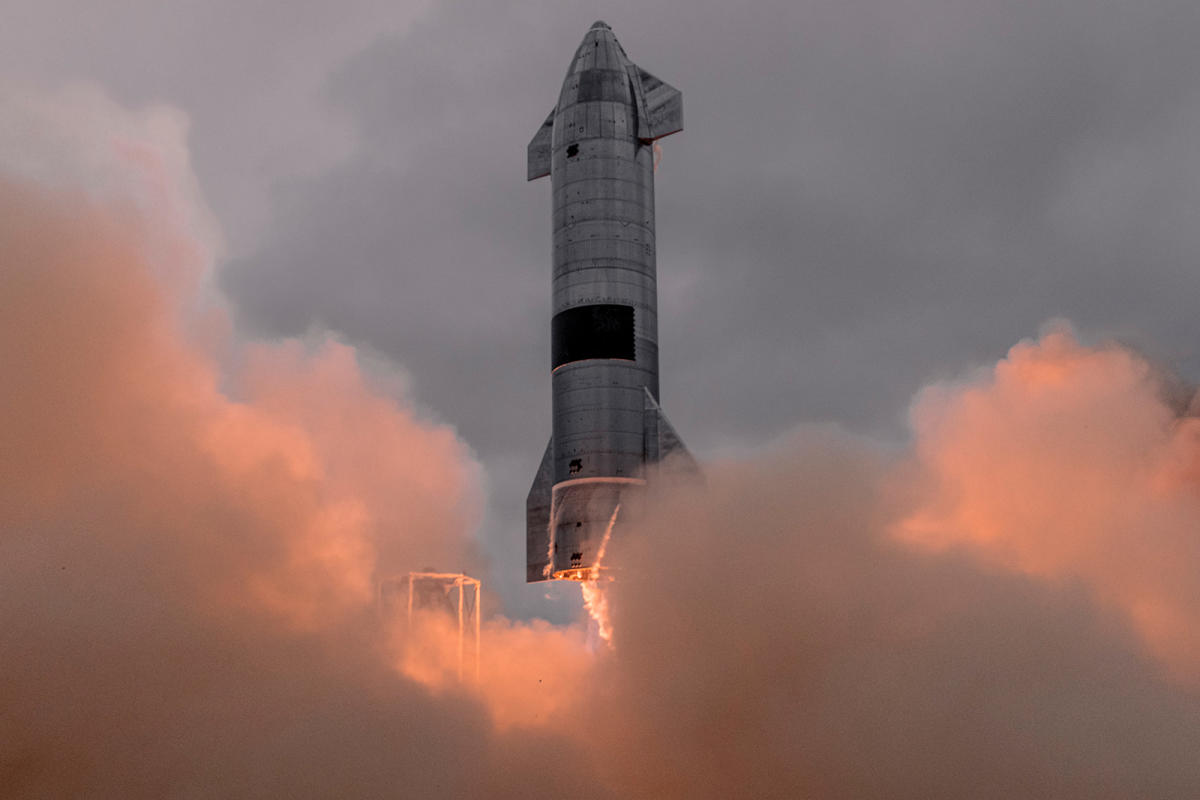
SpaceX’s Starship, which is primarily designed for crewed missions to the Moon and Mars, has turned its attention to accelerating its Starlink satellite launches into LEO. This has intensified competition for launch providers, as companies like Amazon also aim to deploy large satellite networks to challenge Starlink’s dominance. ULA aims to complete the Vulcan upgrade before SpaceX’s Starship becomes fully operational for LEO satellite launches, which Bruno suggests could take several years.

ULA has secured several Vulcan missions with Amazon, aimed at launching the company’s Kuiper satellite network. This makes the Vulcan an integral part of Amazon’s strategy to rival SpaceX’s Starlink. SpaceX has already conducted six test flights of Starship, demonstrating its commitment to testing and improving the rocket’s capabilities, while ULA plans to finalize the Vulcan design before launching it commercially.

In 2024, ULA is set to conduct eight Vulcan missions and 12 Atlas V missions, its predecessor. The Vulcan’s starting launch price is about $110 million, slightly above SpaceX’s Falcon 9, and ULA has a backlog of roughly 70 missions, including those for Amazon.

Although ULA has been considering a sale, drawing interest from companies such as Sierra Nevada Corp and Blue Origin, Bruno has declined to comment on any acquisition discussions.
 

Growing Space Traffic Demands Urgent Global Cooperation, Experts Warn

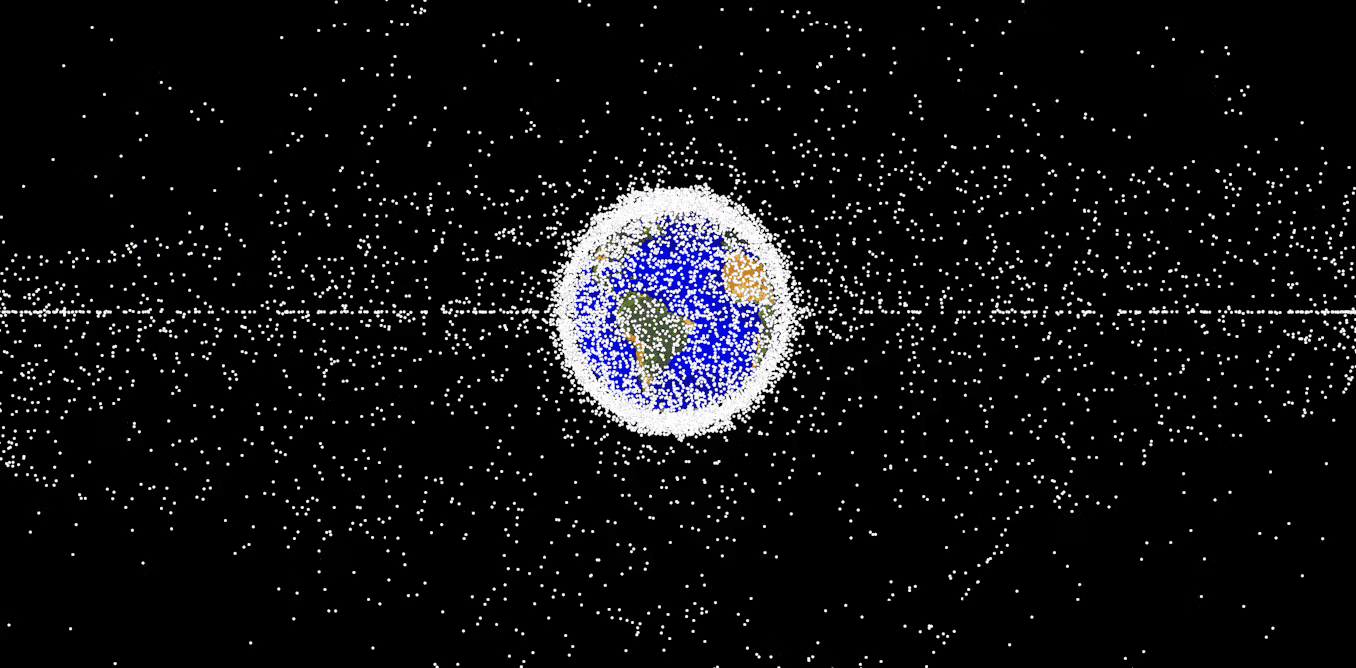
The increasing number of satellites and space debris in low Earth orbit (LEO) is raising serious concerns about potential collisions and the sustainability of space operations. Experts and industry leaders are calling for global cooperation and data sharing to mitigate the risks associated with overcrowded orbits.

Current Space Traffic Crisis

  1. The Scale of Congestion
    • Over 14,000 satellites, including 3,500 inactive ones, currently occupy LEO, alongside 120 million pieces of debris, according to Slingshot Aerospace.
    • Only a fraction of this debris is large enough to track, with smaller fragments still posing significant collision risks.
  2. Recent Incidents Highlight the Risk
    • In August, a Chinese rocket stage explosion created thousands of fragments, further congesting LEO.
    • A defunct Russian satellite exploded in June, leading to emergency shelter protocols for astronauts aboard the International Space Station.
  3. Increase in Close Approaches
    • Slingshot data reveals a 17% rise in close approaches per satellite over the past year, reflecting escalating congestion.

Call for Global Coordination

  1. United Nations Efforts
    • A U.N. panel in October called for a comprehensive shared database of orbital objects and an international framework to track and manage them.
    • Panel co-chair Aarti Holla-Maini emphasized the urgency, warning that delays could compromise critical global systems like communication and navigation.
  2. Challenges to Implementation
    • Geopolitical Tensions: Nations hesitate to share data due to security concerns, especially since many satellites serve dual civilian and military purposes.
    • Commercial Competition: Companies are reluctant to disclose proprietary information, fearing a loss of competitive advantage.
  3. Proposed Solutions
    • Experts suggest leveraging existing technologies like telescopes, radars, and sensors to improve object tracking.
    • Drawing inspiration from the International Civil Aviation Organization, stakeholders propose enforceable space traffic rules.

Growing Commercial Activity

  1. Satellite Proliferation
    • SpaceX’s Starlink system alone accounts for 6,764 satellites in orbit, with collision-avoidance manoeuvres nearly doubling in the first half of 2024.
    • Upcoming launches from China and other operators threaten to push LEO’s carrying capacity to its limits.
  2. Economic Risks
    • A collision probability model predicts potential damages of $556 million over five years, emphasizing the financial stakes of unmanaged space traffic.

The Path Forward

  1. Need for International Consensus
    • Industry leaders stress the importance of unified global regulations to prevent collisions and ensure the sustainable use of space.
    • The U.N. aims to present actionable steps at a Committee on the Peaceful Uses of Outer Space meeting next year.
  2. Barriers to Progress
    • Building consensus amidst geopolitical tensions remains a major challenge.
    • Informal methods, such as reliance on data from the U.S. Space Force, offer temporary solutions but lack standardization and accountability.

Final Thoughts

The rapid increase in space traffic underscores the urgency of global cooperation to avoid a “tragedy of the commons” in LEO. While technical tools exist, achieving consensus and trust among nations and commercial entities remains the critical hurdle.