Yazılar

Kioxia’s IPO Debut Surges, Valuing Japanese Chipmaker at $5.8 Billion

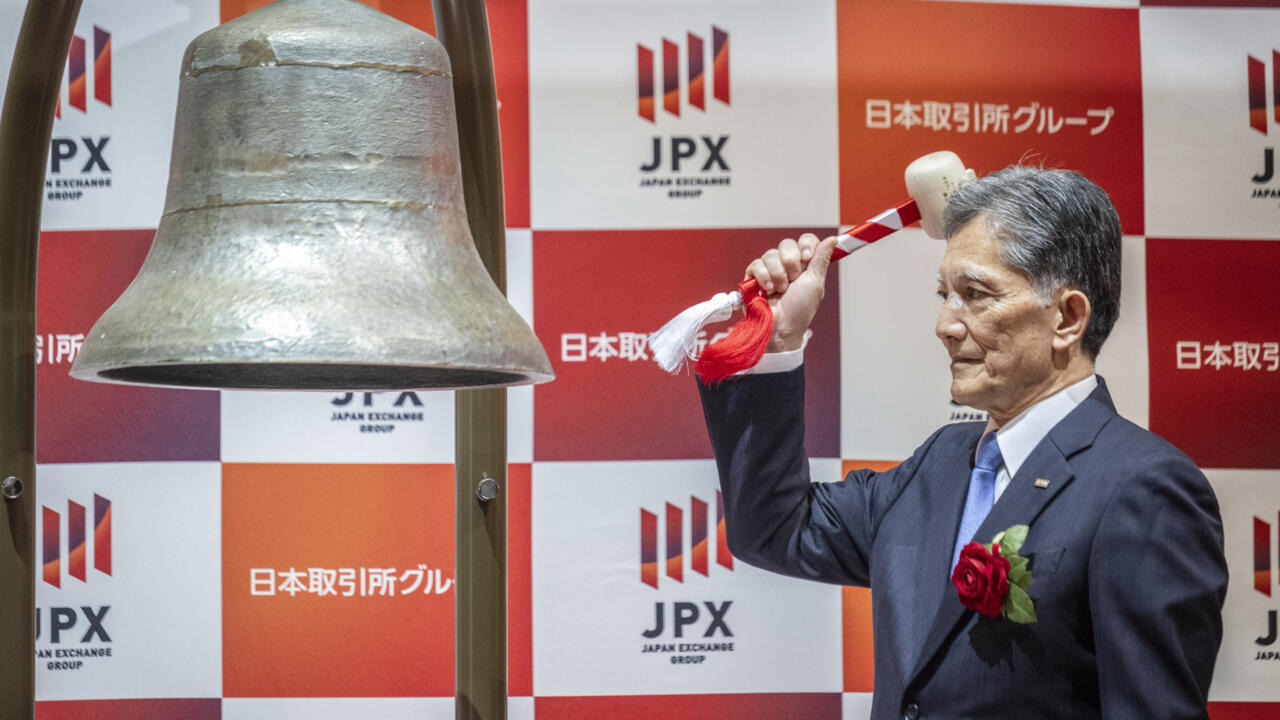
Shares of Kioxia (285A.T) surged 14% on their debut, giving the Bain Capital-backed memory chip manufacturer a valuation of over 890 billion yen ($5.80 billion). This marks one of Japan’s most significant IPOs in 2024, reflecting robust investor demand despite initial uncertainties.

IPO Highlights

Kioxia raised 120 billion yen, pricing its shares at 1,455 yen each, mid-range of the indicative price. The stock opened slightly lower at 1,440 yen but rallied to an intraday high of 1,689 yen before closing its first trading day at 1,601 yen.

CEO Nobuo Hayasaka expressed relief over the successful listing, emphasizing the company’s journey from its Toshiba origins to becoming an independent, publicly traded entity.

Background

Kioxia, formerly Toshiba Memory, was acquired by a Bain-led consortium for 2 trillion yen in 2018 after Toshiba was forced to sell its prized memory chip business due to financial distress. The acquisition marked a landmark private equity intervention in Japan’s corporate sector.

The IPO comes amid a recovery in Japan’s IPO market, with over $6 billion raised in 2024, its best performance since 2021 despite fewer overall listings.

Challenges and Market Reaction

  • Global Chip Market Uncertainty: Kioxia’s IPO was delayed multiple times, partly due to market volatility driven by U.S.-China trade tensions.
  • Valuation Adjustments: Bain Capital initially sought a 1.5 trillion yen valuation for Kioxia, but investor concerns led to a downward revision before the eventual IPO.
  • Investor Confidence: The IPO’s reception reflects strong demand for valuation discounts, with analysts noting a positive outlook for future private equity exits in Japan.

Current Ownership and Future Outlook

Post-IPO, Bain Capital’s stake in Kioxia has decreased to 50.7% from 56.2%. Despite public listing, Kioxia’s decision-making will remain aligned with Bain’s guidance.

The IPO has not advanced discussions with Western Digital, Kioxia’s long-term partner and potential merger candidate. However, Hayasaka reassured that the listing would not harm their relationship.

Financial Performance and Industry Competition

In the quarter ending September 30, Kioxia reported net income of 106 billion yen, up from 69.8 billion yen in the prior quarter, supported by an improving supply-demand balance in the memory chip market.

Analysts remain cautious about Kioxia’s long-term prospects due to fierce competition in the global memory chip market. Some worry that its valuation, at 4–5 times price-to-sales, may be difficult to sustain in a highly competitive industry.

Investor Sentiment

While some portfolio managers, such as Richard Kaye from Comgest, are skeptical about Kioxia’s valuation and growth potential, others see the IPO as a sign of Japan’s evolving market dynamics, particularly in the semiconductor sector.

Key Figures

  • IPO Price: 1,455 yen per share
  • Closing Price: 1,601 yen
  • Funds Raised: 120 billion yen
  • Valuation: 890 billion yen ($5.80 billion)

Outlook

Kioxia’s public listing offers new fundraising avenues in the capital-intensive semiconductor industry but also brings heightened scrutiny on its financials. The company aims to navigate its challenges while leveraging its strong market position in memory chips.


Samsung Reports Disappointing Q3 Profit Guidance Amid AI Chip Challenges

Samsung Electronics, the world’s largest memory chip producer, reported lower-than-expected third-quarter profits on Tuesday, despite a year-on-year surge. The South Korean tech giant estimated operating profits of around 9.10 trillion won (approximately $6.7 billion) for the quarter ending in September. While this figure represents a massive 274% increase from the same period last year, it fell short of the 11.456 trillion won ($7.7 billion) forecast by analysts polled by LSEG.

Samsung’s projected revenue for the quarter stood at 81.96 trillion won ($61 billion), also missing expectations. The disappointing guidance comes amid the company’s struggles to manage its memory chip business and delays in shipments of its advanced high-bandwidth memory (HBM3E) chips.

In an unusual move, Jun Young-hyun, Samsung’s Vice Chairman and new head of the Device Solutions Division, issued a public apology following the release, acknowledging the company’s challenges. The performance of Samsung’s memory business has been negatively affected by “one-time costs and negative effects,” including inventory adjustments by mobile customers and increased competition from Chinese memory producers.

The company also noted that delays in shipments of its cutting-edge HBM3E chips to major clients added to its difficulties. These high-performance chips are critical for artificial intelligence applications, a growing sector where Samsung is trying to gain ground.

Despite being the dominant player in memory chips used in devices such as laptops, servers, and PCs, Samsung has seen weakened demand for legacy chips in these sectors. This trend, coupled with a less aggressive market share strategy, has hurt the company. “Samsung is not taking that market share as aggressively as we have seen in the past,” remarked Daniel Yoo, head of global asset allocation at Yuanta Securities Korea.

Macquarie Equity Research analysts warned that the fall in demand for conventional DRAM (dynamic random access memory) chips could have a more significant impact on Samsung than on its smaller rivals. DRAM chips are essential for PCs and workstations, and Samsung has traditionally relied on their steady demand.

In response to the market challenges, Samsung has reportedly instructed its subsidiaries to reduce staff by up to 30% in certain divisions, according to sources cited by Reuters. The company’s shares, which are down 22% year-to-date, fell by another 0.98% after the release of the third-quarter profit guidance. Samsung is expected to release more detailed financial results later this month.