Yazılar

Juniper Networks Denies Allegations in DOJ Lawsuit to Block $14 Billion Merger with HPE

Juniper Networks has formally denied the U.S. Department of Justice’s (DOJ) allegations regarding the $14 billion acquisition of the company by Hewlett Packard Enterprise (HPE). In a recent court filing, Juniper stated that the DOJ’s complaint, which seeks to block the all-cash takeover, misrepresents the competitive landscape for wireless network solutions.

DOJ’s Allegations:

The DOJ filed a lawsuit last month, arguing that the merger would lead to reduced competition in the networking equipment market, resulting in Cisco Systems (CSCO.O) and HPE controlling over 70% of the U.S. market. The department claims this dominance could harm consumers and stifle innovation in the industry.

Juniper’s Defense:

In its filing to a federal court in California, Juniper Networks disagreed with the DOJ’s assessment. The company argued that there are at least eight other competitors in the U.S. market offering wireless networking solutions, reducing the potential for anti-competitive behavior. Juniper further stated that Cisco has maintained more than 50% of the market share for over a decade, while the combined share of HPE and Juniper has been less than 25% in the last three years, not approaching a level that would trigger antitrust concerns.

Market Impact:

Juniper contended that the merger would enhance competition, particularly in challenging Cisco’s market dominance. The company emphasized that the combination of HPE and Juniper would not create a monopoly but rather foster greater competition in the sector.

Legal and Political Context:

This lawsuit marks the DOJ’s first significant antitrust action since President Donald Trump’s second term in office. The case is closely watched as it could set a precedent for future mergers and acquisitions in the tech industry.
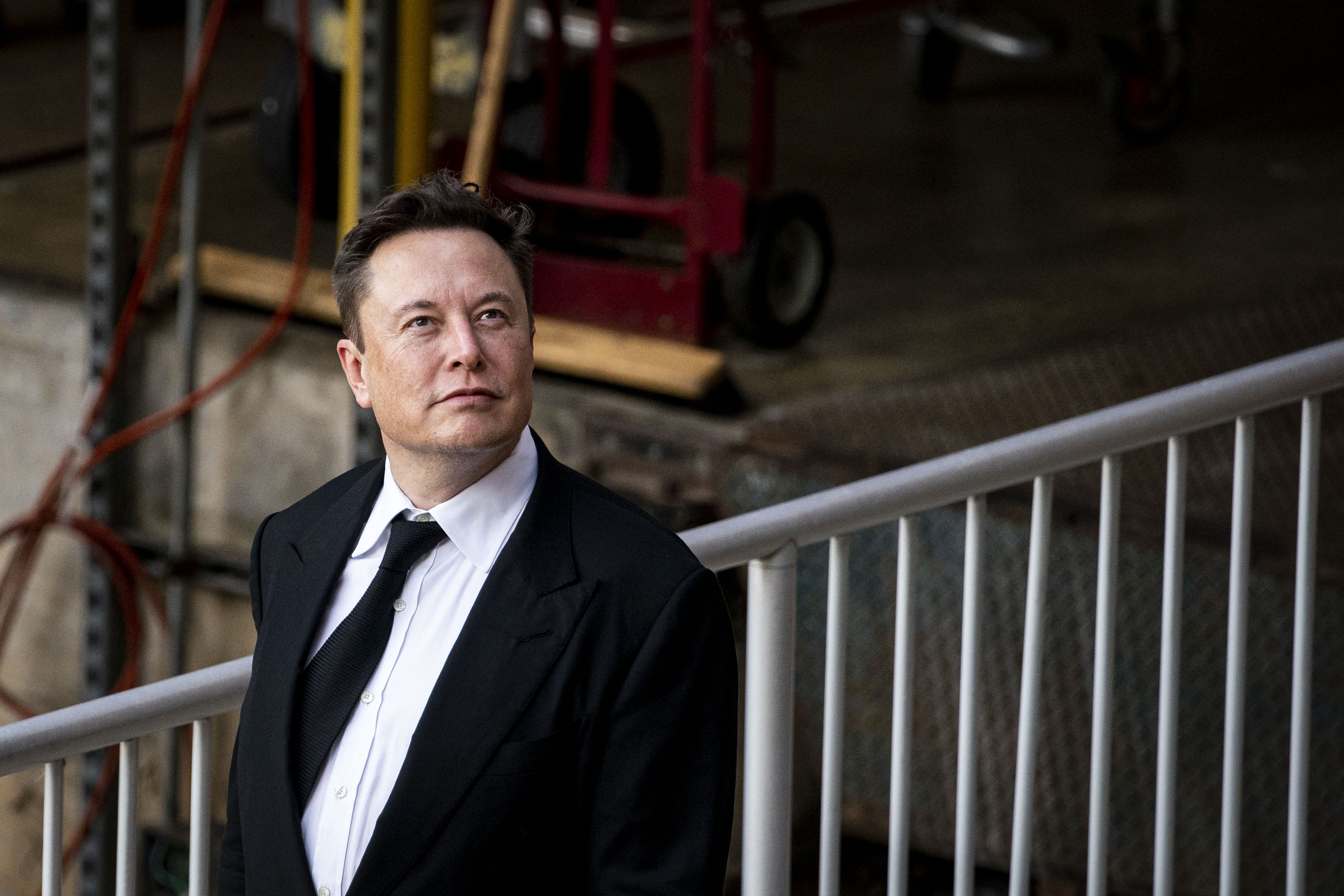
Elon Musk-Led Group Makes $97 Billion Bid for Control of OpenAI

Elon Musk and a consortium of investors have presented a $97.4 billion offer to acquire OpenAI’s nonprofit parent company, escalating tensions with OpenAI CEO Sam Altman. Musk’s bid comes as part of his ongoing efforts to prevent OpenAI from transitioning into a for-profit entity, which it claims is necessary to secure sufficient funding for advanced AI model development.

Background:

Musk co-founded OpenAI in 2015 alongside Altman, initially as a nonprofit organization. However, Musk departed from the company before it gained significant traction and later established a rival AI venture, xAI, in 2023. Recently, OpenAI has been working to convert into a for-profit company to attract the capital needed to remain competitive in the AI space.

Musk, known for his leadership at Tesla and his ownership of X (formerly Twitter), has strongly opposed this shift, arguing that it prioritizes profits over the public good. In a lawsuit filed in August 2023, Musk claimed that OpenAI’s move toward a for-profit model violated its original mission to develop AI for the benefit of humanity. He has since attempted to block this transition in court.

Musk’s Offer:

Musk’s $97.4 billion bid is designed to challenge OpenAI’s current direction and potentially block its move to for-profit status. His consortium includes his own startup xAI, Baron Capital Group, Emanuel Capital, and others. A merger between xAI and OpenAI has also been suggested as part of the deal.

While the offer has made headlines, OpenAI’s board, along with CEO Sam Altman, has firmly rejected the proposal. Altman communicated to staff that OpenAI is not for sale and has no interest in Musk’s bid, emphasizing that the company intends to proceed with its transition into a for-profit entity.

Financial Implications:

OpenAI was valued at $157 billion in its last funding round, cementing its position as one of the most valuable private companies globally. SoftBank is reportedly in talks to lead a funding round that could value OpenAI at $300 billion, including new capital. However, Musk’s offer, backed by prominent investors, adds complexity to OpenAI’s fundraising efforts and the conversion process.

Musk’s wealth, primarily tied to Tesla and SpaceX, could provide the financial backing for the deal, though it may require him to liquidate part of his holdings or take out loans against his assets.

Legal and Corporate Governance Concerns:

Jonathan Macey, a corporate governance expert, expressed concern that the bid could complicate OpenAI’s nonprofit status. OpenAI’s board is tasked with ensuring the company’s mission remains intact, and they may be legally obligated to consider Musk’s bid if it’s deemed to be in the best interest of the organization.

Analysts, including Gil Luria from D.A. Davidson, suggested that Musk’s offer could disrupt OpenAI’s current fundraising strategy and call into question any existing offers, such as the potential investment from SoftBank.

South Korean Prosecutors to Appeal Ruling in Samsung Chief’s Case

South Korean prosecutors have announced plans to appeal to the Supreme Court following an appeals court’s ruling that found Samsung Electronics Chairman Jay Y. Lee not guilty of charges related to a 2015 merger. The case revolves around an $8 billion merger between two Samsung affiliates, which prosecutors argued was designed to solidify Lee’s control over the tech giant. However, the Seoul High Court ruled on February 3 that all charges should be dismissed, stating that the merger did not cause financial harm to minority shareholders.

Lee, who has long been entangled in legal challenges, including those stemming from this merger, denied any wrongdoing, asserting that he never intended to deceive investors for personal gain. The decision follows a history of legal troubles for Lee, including his 18-month imprisonment on bribery charges in connection with a scandal that led to the 2017 impeachment of then-President Park Geun-hye.

Despite the favorable ruling, Lee continues to face ongoing legal risks as Samsung deals with increasing competition and sluggish stock performance. Samsung has declined to comment on the recent developments.