Yazılar

NXP Plans to Generate 8-10% of Revenue from India by 2030

NXP Semiconductors is poised to generate between 8% and 10% of its revenue from India by 2030, driven by the growing demand in the country’s automotive and industrial sectors. Hitesh Garg, head of NXP India, shared this projection at an industry event in Bengaluru, emphasizing that the next three to five years will be crucial for the company as it targets significant revenue growth in the region.

While NXP currently does not disclose its revenue from India, the company views the country as an increasingly important market. India’s expanding automotive industry and the rise of industrial applications for chips are expected to fuel this growth. As a result, NXP is positioning itself to capture market share in the region, which is still a small but fast-growing segment for many global chip manufacturers.

This strategic focus on India comes at a time when NXP’s sales in China have faced uncertainty due to geopolitical tensions, including the expansion of Chinese production in older chip technologies and European tariffs on Chinese electric vehicles. In 2023, China represented nearly a third of NXP’s $13.28 billion in sales, with the rest of the Asia-Pacific region accounting for nearly 30%. Garg indicated that any missed opportunities in one market could be offset by expanding in others, like India.

India’s semiconductor industry is still in its early stages, but the government has been working to establish a robust ecosystem, with initiatives like a $10 billion incentive package aimed at growing the local chip market. The country expects its semiconductor market to reach $63 billion by 2026, despite not yet producing its own chips. In September, NXP announced a $1 billion investment in India, which includes a major boost to its research and development efforts. Other companies like Micron are also making investments in the Indian market, signaling growing confidence in the region’s potential.


Micron Shares Drop as Sluggish PC Demand and Weak Forecast Cloud AI Growth Potential

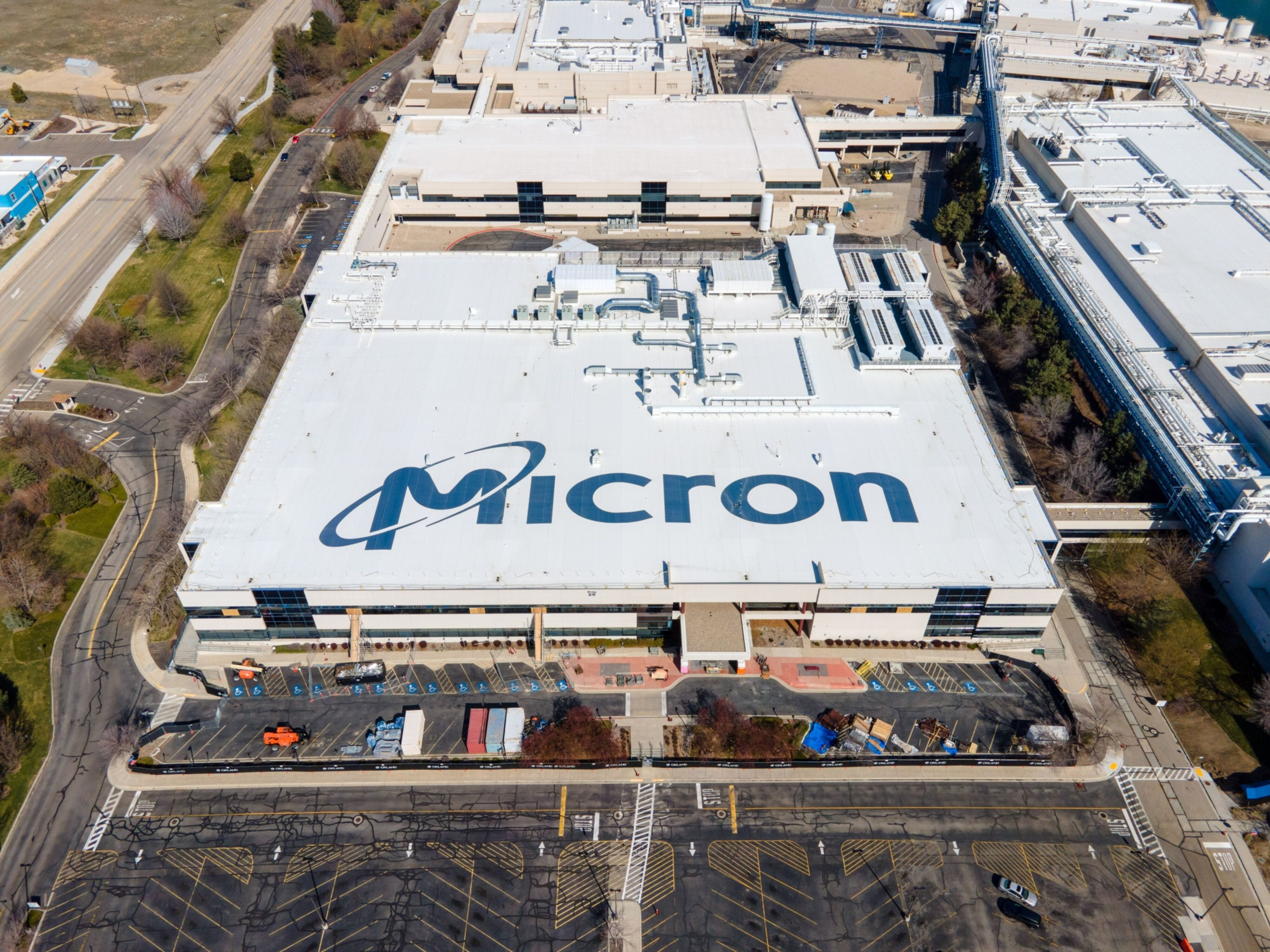
Micron Technology’s shares fell by approximately 15% on Thursday after the company issued a grim forecast for the upcoming quarter, highlighting weak demand for personal computers (PCs) and smartphones, which overshadowed the positive growth in its AI-related chip sales.

Weak Demand for DRAM Chips

The market for dynamic random-access memory (DRAM) chips, which are commonly used in personal computers and smartphones, has been struggling since the end of the pandemic. This decline is driven by a lingering supply glut and continued sluggish demand from consumers. As a result, Micron’s forecast for its flash memory chip revenue in fiscal 2025 looks bleak, as these chips are heavily dependent on PC and mobile phone shipments. According to William Kerwin, an analyst at Morningstar, the post-pandemic growth in demand for traditional PCs has not met expectations, and AI-enabled computers have yet to achieve widespread popularity.

Slow Transition to Windows 11

Micron is also facing headwinds from the slower-than-expected adoption of Windows 11, after Microsoft announced the end of support for Windows 10. This gradual transition has contributed to the challenges in the broader PC market, impacting demand for memory chips.

If the losses hold, Micron’s market value could decline by more than $17 billion, bringing it to approximately $99 billion. This downward shift in value reflects concerns about Micron’s ability to recover from these demand-related issues.

Growth in AI Chips and High-Bandwidth Memory

Despite the challenges in the PC and mobile markets, Micron has seen strong growth in its high-bandwidth memory (HBM) chips, which are used in advanced AI systems. Revenue from these chips more than doubled sequentially, and Micron is positioning itself to take advantage of market expansion opportunities from data center investments in 2025. Analysts from Piper Sandler believe that Micron’s HBM segment remains intact and will continue to drive growth.

Micron is one of only three major HBM chip providers, alongside SK Hynix and Samsung, which has helped boost its stock by around 22% this year. Analysts expect HBM demand to remain a key driver of Micron’s performance moving forward.

Analyst Reactions

Despite the positive outlook for AI-related chips, at least 10 brokerages have lowered their price targets for Micron following its disappointing earnings results. According to data from LSEG, Micron’s 12-month forward price-to-earnings ratio is now 10.67, significantly lower than Qualcomm’s 13.4 and Advanced Micro Devices’ 23.97.


Jim Cramer Recommends Chip Stocks to Buy During Market Dip

Jim Cramer believes that chip stocks have experienced an excessive sell-off, and he sees an opportunity for investors to buy on the dip. He pointed out that the reasons for being bullish on this sector earlier in the year are still valid. The semiconductor exchange-traded fund SMH, for example, has fallen over 18% from its July highs but remains up more than 25% year-to-date.

Cramer attributed the recent pullback to concerns about declining enterprise spending on artificial intelligence and worries over a potential recession before the Federal Reserve cuts interest rates. Nvidia’s recent quarter beat estimates but didn’t impress investors accustomed to massive outperformance, leading to fears that the AI boom may be short-lived. However, Cramer argued that Nvidia’s results reflect supply limitations rather than demand issues, maintaining that the AI boom is still “very real.”

Cramer highlighted several stocks in the chip sector worth considering:

  • AMD: Cramer praised AMD’s solid demand and performance, acknowledging its strong position in the semiconductor space.
  • Micron: Cramer sees Micron as a leader in memory chips and considers the stock undervalued based on next year’s earnings estimates. The need for memory in data centers presents a significant growth opportunity.
  • Arm: With licensing royalties providing steady revenue, Arm has seen its stock soar since its IPO. The stock got a further boost after reports indicated Apple would use Arm’s chip design for the iPhone 16.