Yazılar

U.S. Army Memo Flags “Very High Risk” Security Flaws in Anduril–Palantir Battlefield Network

The U.S. Army’s next-generation battlefield communications system, developed by Anduril Industries and Palantir Technologies, has been labeled “very high risk” due to critical cybersecurity vulnerabilities, according to an internal Army memo reviewed by Reuters.

The September 5 memo—written by Gabriele Chiulli, the Army’s Chief Technology Officer and authorizing official for the NGC2 (Next Generation Command and Control) prototype—warned that the system’s “current security posture” could allow adversaries to gain “persistent undetectable access” to sensitive battlefield data.

“We cannot control who sees what, we cannot see what users are doing, and we cannot verify that the software itself is secure,” the memo stated, citing fundamental issues in user access controls and data monitoring.

The NGC2 platform, designed to connect soldiers, sensors, vehicles, and commanders through real-time data sharing, is central to the Army’s modernization drive. Developed in partnership with Microsoft and smaller defense contractors, the project aims to replace legacy communication systems with a unified, AI-enhanced digital backbone.

However, the internal review found that the platform allowed all users to access all applications and data, regardless of clearance level or mission relevance, and lacked logging tools to track user activity. One third-party application integrated into the system was found to contain 25 high-severity vulnerabilities, while three others each had more than 200 issues requiring review.

The memo’s findings—first reported by Breaking Defense—have amplified criticism that Silicon Valley’s “move fast and break things” ethos may be ill-suited for military-grade systems requiring airtight security.

Anduril, founded by Palmer Luckey, dismissed the concerns as outdated. “The report reflects an old snapshot, not the current state of the program,” the company said. Palantir responded that “no vulnerabilities were found in the Palantir platform.”

Army Chief Information Officer Leonel Garciga, Chiulli’s supervisor, acknowledged the seriousness of the findings but said most issues were fixed within “weeks or even days.” He added that only one remaining application still required security improvements and that Palantir’s Federal Cloud Service could soon receive “continuous authority to operate”, allowing faster updates.

The NGC2 system was awarded a $100 million prototype contract earlier this year, as part of a broader Pentagon effort to integrate AI, autonomous systems, and real-time battlefield intelligence into defense operations. Palantir also holds a $480 million contract for Project Maven, the Pentagon’s AI surveillance initiative, while Anduril recently secured $159 million to develop advanced mixed-reality and night vision systems.

Despite assurances from developers, the memo raises profound questions about data control, cybersecurity, and insider access—all crucial concerns as the U.S. military increasingly relies on software-driven decision-making in combat.

On Wall Street, the revelations hit Palantir’s stock, which fell 7.5% on Friday. Anduril, still privately held, has said it plans to go public.

The incident exposes the tension at the heart of the Pentagon’s modernization push: how to harness Silicon Valley’s speed and innovation without compromising the security of national defense networks.
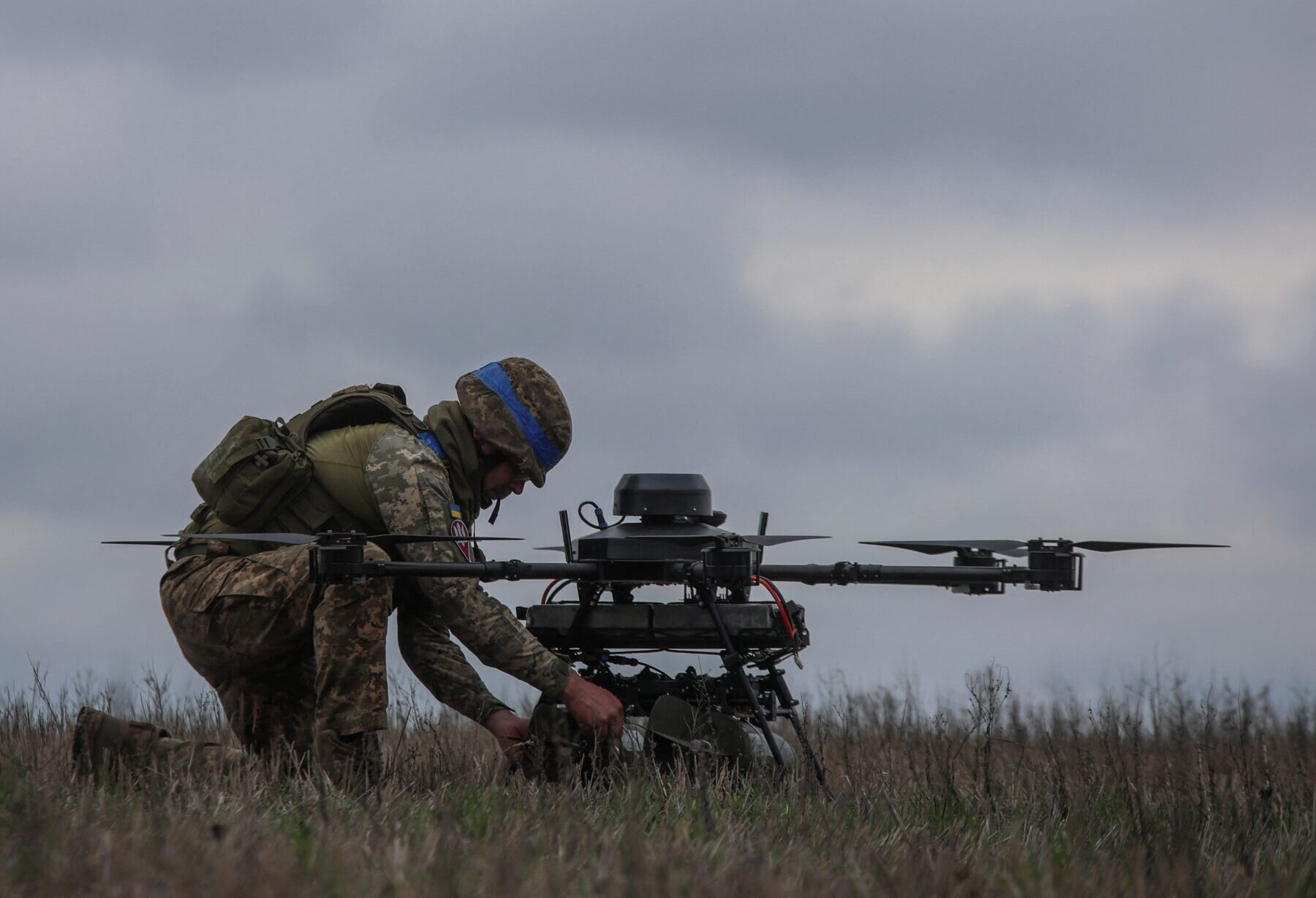
Wartime Innovation Spurs Israeli Defence Tech Surge Amid Global Demand

Amid the ongoing conflict in Gaza and growing geopolitical instability, Israel’s defence technology sector is experiencing a dramatic acceleration, driven by battlefield innovation and global demand. Civilian reservists with tech backgrounds, such as Zach Bergerson, are creating new startups in response to real-time battlefield needs—merging military insight with cutting-edge innovation.

Bergerson’s company, SkyHoop, which developed a wearable drone-detection system for soldiers, is now being piloted in Ukraine and is in talks for a potential U.S. Department of Defense trial. His story is emblematic of a broader trend: Israeli startups, born from frontline experiences, are attracting significant investment from both Israeli and American venture capital firms, many of whom had previously avoided defence tech due to regulatory risks.

According to Startup Nation Central, over one-third of Israel’s defence startups were founded after the October 7, 2023 Hamas attack that ignited the current war. The surge in wartime innovation has generated strong interest from Europe, especially as countries increase defence spending under NATO’s new mandate to raise defence budgets to 5% of GDP.

Lital Leshem, a reservist and co-founder of the new $100 million fund Protego Ventures, noted that Israeli tech professionals returning from the battlefield are creating companies to solve problems they directly experienced. Her fund has reviewed over 160 defence startups and expects to invest in a select few by the end of the year.

Israel’s defence exports reached a record $14.8 billion in 2024, with Europe accounting for over 50%—up from 35% the year before. Demand has spiked as European countries replace old systems sent to Ukraine and seek combat-tested, high-tech solutions. However, this boom comes alongside political backlash: calls for boycotts over Israel’s actions in Gaza have intensified, with over 57,000 Palestinians reported killed by local health officials, most of them civilians.

Despite global criticism, many nations continue to prioritize performance over politics when it comes to defence acquisitions. Reserve Brigadier General Yair Kulas, head of Israel’s International Defence Cooperation Directorate, acknowledged the tension between Israel’s innovation reputation and growing international delegitimization, especially in light of the Gaza humanitarian toll.

Analysts like Avi Hasson from Startup Nation Central believe this moment mirrors the tech boom of the early 2000s, when military innovations laid the groundwork for the smartphone era. Major Israeli defence firms—Elbit, Rafael, and Israel Aerospace Industries—are now eyeing startups for potential acquisitions or rapid internal development to keep pace with the evolving market.

As the war reshapes global defence priorities, Israel’s battlefield-tested startups may find themselves at the forefront of a new global arms innovation wave—if they can overcome regulatory and political hurdles.

German AI Defence Start-Up Helsing Raises €600 Million, Hits $12 Billion Valuation

Helsing, a Munich-based defence technology start-up, has secured €600 million ($693 million) in its latest funding round, the company announced Tuesday. The investment was led by Prima Materia, an investment firm co-founded by Spotify founder Daniel Ek and Shakil Khan. This round brings Helsing’s total valuation to $12 billion, placing it among the top five private tech companies in Europe, according to the Financial Times.

Key Investors and Strategic Backing:

  • Prima Materia doubled its stake in this round.

  • Other notable participants include Lightspeed Ventures, Accel, Plural, General Catalyst, and Swedish defence company SAAB.

Helsing’s Ambitions:

Founded in Germany, Helsing develops AI-powered defence software and is now expanding its hardware capabilities to include:

  • Drones

  • Aircraft

  • Submarines

The company is positioning itself as a core enabler of modern European defence, aiming to support governments as they increase defence spending amid heightened geopolitical tensions, particularly in Europe.

Helsing’s software is designed to integrate across military platforms, delivering real-time situational awareness and threat detection using advanced machine learning. The move toward manufacturing its own defence hardware signals a broader ambition to become a full-spectrum defence contractor, bridging software and battlefield systems.