
Amid the ongoing conflict in Gaza and growing geopolitical instability, Israel’s defence technology sector is experiencing a dramatic acceleration, driven by battlefield innovation and global demand. Civilian reservists with tech backgrounds, such as Zach Bergerson, are creating new startups in response to real-time battlefield needs—merging military insight with cutting-edge innovation.
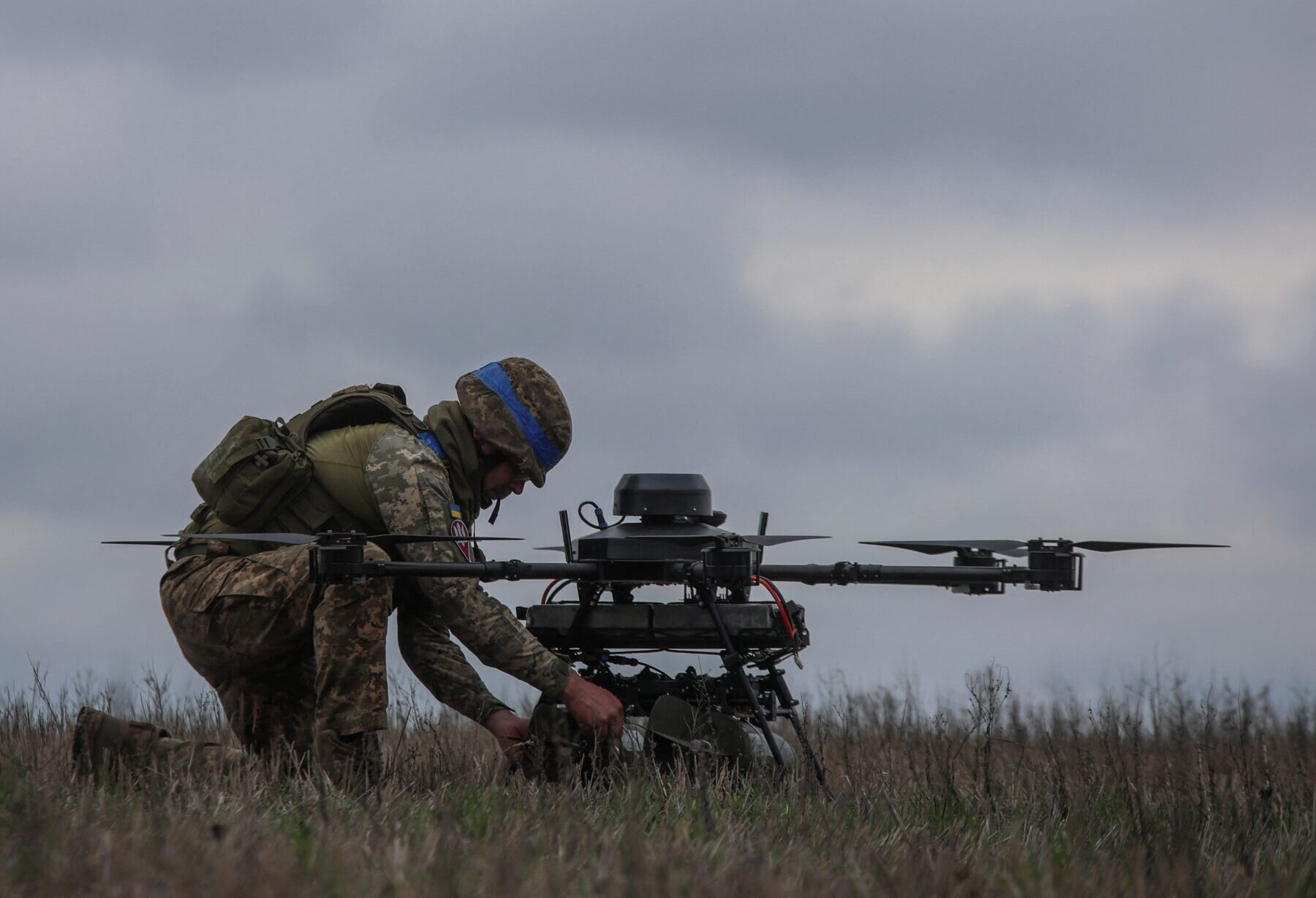
Bergerson’s company, SkyHoop, which developed a wearable drone-detection system for soldiers, is now being piloted in Ukraine and is in talks for a potential U.S. Department of Defense trial. His story is emblematic of a broader trend: Israeli startups, born from frontline experiences, are attracting significant investment from both Israeli and American venture capital firms, many of whom had previously avoided defence tech due to regulatory risks.
According to Startup Nation Central, over one-third of Israel’s defence startups were founded after the October 7, 2023 Hamas attack that ignited the current war. The surge in wartime innovation has generated strong interest from Europe, especially as countries increase defence spending under NATO’s new mandate to raise defence budgets to 5% of GDP.
Lital Leshem, a reservist and co-founder of the new $100 million fund Protego Ventures, noted that Israeli tech professionals returning from the battlefield are creating companies to solve problems they directly experienced. Her fund has reviewed over 160 defence startups and expects to invest in a select few by the end of the year.
Israel’s defence exports reached a record $14.8 billion in 2024, with Europe accounting for over 50%—up from 35% the year before. Demand has spiked as European countries replace old systems sent to Ukraine and seek combat-tested, high-tech solutions. However, this boom comes alongside political backlash: calls for boycotts over Israel’s actions in Gaza have intensified, with over 57,000 Palestinians reported killed by local health officials, most of them civilians.
Despite global criticism, many nations continue to prioritize performance over politics when it comes to defence acquisitions. Reserve Brigadier General Yair Kulas, head of Israel’s International Defence Cooperation Directorate, acknowledged the tension between Israel’s innovation reputation and growing international delegitimization, especially in light of the Gaza humanitarian toll.
Analysts like Avi Hasson from Startup Nation Central believe this moment mirrors the tech boom of the early 2000s, when military innovations laid the groundwork for the smartphone era. Major Israeli defence firms—Elbit, Rafael, and Israel Aerospace Industries—are now eyeing startups for potential acquisitions or rapid internal development to keep pace with the evolving market.
As the war reshapes global defence priorities, Israel’s battlefield-tested startups may find themselves at the forefront of a new global arms innovation wave—if they can overcome regulatory and political hurdles.