
Yazılar

Musk’s xAI Raises Yield and Extends Deadline on $5B Debt Sale Amid Weak Investor Demand

Elon Musk’s AI venture, xAI, has extended the deadline and increased the yield on a $5 billion debt offering due to a lackluster response from investors, according to a source familiar with the matter. The commitment deadline was moved from Tuesday to Friday to allow more time for investor participation.

To make the offer more appealing, xAI raised the yield on $3 billion in bonds and a $1 billion term loan from 12% to 12.5%. Additionally, the yield on a second term loan was increased from 700 to 725 basis points above the Secured Overnight Financing Rate (SOFR), with that loan now priced at 96 cents on the dollar.

The move reflects investor concerns over xAI’s unrated status and limited financial transparency, which increases perceived risk. As of Thursday, the average yield on high-yield bonds was 7.6%, according to the ICE BofA High Yield Index—significantly lower than what xAI is offering, signaling its need to compensate for higher investor uncertainty.

If demand remains modest, borrowers like xAI must offer better terms to attract buyers. One portfolio manager who chose not to participate noted that healthy deals are typically oversubscribed multiple times, and the increased yield suggests investor hesitancy.

Morgan Stanley, the lead on the transaction, did not commit to underwriting or backstopping the deal—unlike during Musk’s acquisition of Twitter—making this a “best efforts” transaction. If the offering closes Friday, securities are expected to be distributed to investors by Monday.

Earlier this month, the xAI deal entered the spotlight amid a public exchange between Musk and former U.S. President Donald Trump on social media. Despite Musk’s profile and past financial dealings, this offering has yet to capture strong enthusiasm from the high-yield or leveraged loan markets.

Neither xAI nor Morgan Stanley responded to requests for comment.
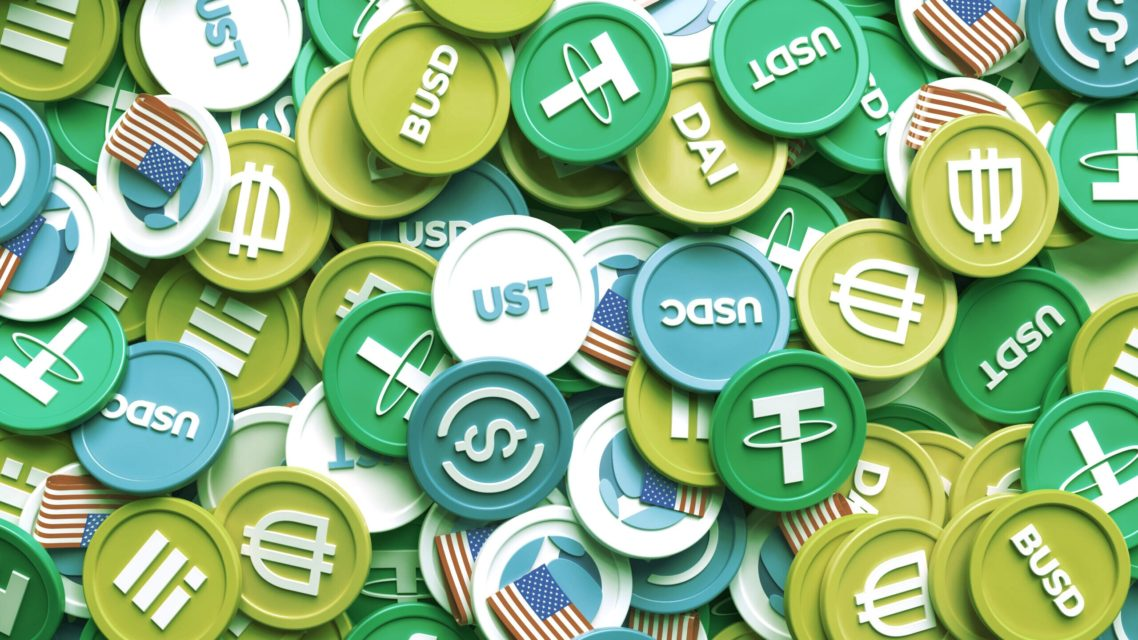
US Senate Passes Bill to Regulate Stablecoins, Boosting Corporate Adoption Prospects

The U.S. Senate has approved the GENIUS Act, a bill establishing a regulatory framework for stablecoins, marking a significant milestone for the growing segment of cryptocurrency designed to maintain stable value, typically pegged 1:1 to the U.S. dollar. The bill’s passage is seen as a key step toward broader adoption of stablecoins by corporations worldwide.

Stablecoins facilitate crypto traders’ movement of funds between tokens, but clearer regulations have been lacking. The bill now moves to the Republican-controlled House of Representatives, where its version must pass before heading to former President Donald Trump’s desk for signing.

If enacted, the law will require stablecoins to be fully backed by liquid assets—such as U.S. dollars and short-term Treasury bills—and mandate issuers to publicly disclose monthly reserve compositions. Analysts believe this regulatory clarity could unlock wider use by companies across multiple sectors.

Several major firms are already engaged or exploring stablecoin initiatives globally:

  • Major U.S. Banks:
    Bank of America CEO Brian Moynihan has indicated possible stablecoin launches. Morgan Stanley seeks to work with regulators on crypto-related transaction roles. Both remain cautious, focusing on pilot programs or partnerships.

  • Societe Generale (France):
    Plans to issue a publicly tradable, dollar-backed stablecoin via its digital asset subsidiary.

  • Retail Giants Walmart and Amazon:
    Reports suggest recent exploration of stablecoin issuance, though Walmart denies current plans and Amazon has not commented.

  • Banco Santander (Spain):
    Considering digital asset expansion including early-stage stablecoin projects.

  • Crypto and Fintech Firms:
    World Liberty Financial launched a dollar-pegged stablecoin USD1 this year. PayPal released a U.S. dollar stablecoin in August 2023. Circle Internet’s USDC and Paxos’ stablecoins are among the largest. Tether’s USDT remains the largest by market cap, followed by MakerDAO’s DAI.

The GENIUS Act’s passage signals increasing regulatory acceptance of stablecoins, potentially accelerating their integration into mainstream corporate finance and payment systems.

Elon Musk’s xAI Set to Raise $5 Billion Debt Despite Tepid Investor Interest

Elon Musk’s AI startup, xAI, is poised to close a $5 billion debt financing led by Morgan Stanley, although investor demand has been notably modest, according to sources familiar with the matter. The debt package includes a floating-rate term loan, a fixed-rate loan, and secured bonds, with allocations scheduled for Wednesday.

The floating-rate loan carries an interest rate of 700 basis points above the Secured Overnight Financing Rate, while the fixed-rate loan and secured notes offer yields near 12%, significantly higher than the current 7.6% average yield for high-yield bonds. This elevated cost reflects the risks investors associate with xAI’s unrated debt and lack of profitability to date.

Several potential investors declined to participate, citing concerns over xAI’s financial transparency and Musk’s previous financing history. Notably, Musk’s 2022 $44 billion acquisition of Twitter involved $13 billion in loans that lenders had to retain on their balance sheets for two years due to poor secondary market demand.

While the debt issuance was fully subscribed, total orders amounted to roughly 1.5 times the amount offered, below the typical 2.5 to 3 times seen in similar junk bond offerings. Unlike Musk’s Twitter debt deal—where banks guaranteed the sale and committed capital—this transaction is structured as a “best efforts” deal with no such guarantees from Morgan Stanley.

Beyond debt, xAI is also reportedly pursuing a $20 billion equity raise that could value the company above $120 billion, with some investors estimating up to $200 billion.