Yazılar

Morgan Stanley to Increase Sale of Loans Tied to Musk’s X Amid Strong Demand

Morgan Stanley, leading a group of banks, is set to increase the sale of loans linked to Elon Musk’s social media platform X, following stronger-than-expected demand from investors, according to Bloomberg News on Tuesday. Initially, the banks had planned to sell around $3 billion in loans, but the revised target now stands at up to $5.5 billion, reflecting investor interest that exceeded expectations.

In November, reports indicated that Musk’s rising political influence and connections to former President Donald Trump played a role in improving prospects for the platform, which helped banks manage the debt sale without incurring heavy losses. Morgan Stanley, along with other financial institutions like Bank of America and Barclays, provided Musk with loans in 2022 to support his $44 billion acquisition of X, formerly known as Twitter.

Typically, banks sell such loans to investors shortly after a deal is finalized, but the process has been more challenging in the case of X. Despite this, the latest demand suggests a more favorable outcome for the banks involved.

NEC Considers Bid for Software Provider CSG Systems, Sources Reveal

Japanese technology giant NEC Corp is exploring the possibility of acquiring CSG Systems, a U.S.-based software provider specializing in customer care and billing solutions for telecommunications companies. NEC has been in discussions with its advisers, including investment bankers at Morgan Stanley, about a potential offer for CSG, according to sources familiar with the matter. These sources, who requested anonymity due to the confidential nature of the talks, noted that the discussions are still in the early stages and there is no certainty a deal will proceed. Additionally, another bidder could emerge, or NEC might ultimately decide not to pursue the acquisition.

CSG, which is based in Englewood, Colorado, offers software and business services to telecom providers globally, focusing on areas like revenue management, customer experience, and payments. Its clientele includes major companies such as Comcast, Charter Communications, and Dish TV. News of the potential acquisition discussions led to a 14% jump in CSG’s stock price, bringing it to a 52-week high before some of those gains were pared back.

NEC and CSG both declined to comment on the reports, and Morgan Stanley did not respond to requests for comment. Despite facing challenges in maintaining market share, CSG reported a 3% increase in revenue for its most recent quarter, which reached $295.1 million, largely driven by strong performance in its customer experience and payments segments. CSG’s largest customer, Comcast, which accounts for 20% of its revenue, extended its contract with the company recently.

CSG has been under pressure as telecom giants aim to cut costs while focusing heavily on infrastructure investments for 5G deployment. Additionally, CSG’s chairman, Ron Cooper, announced that he will step down in May, with Marwan Fawaz, a seasoned technology executive, set to succeed him.

Founded in 1899, NEC has transitioned its focus from being the world’s largest semiconductor manufacturer to concentrating on IT services, cloud computing, artificial intelligence, and telecommunications equipment. The company currently has a market value of 3.67 trillion yen ($23.62 billion).


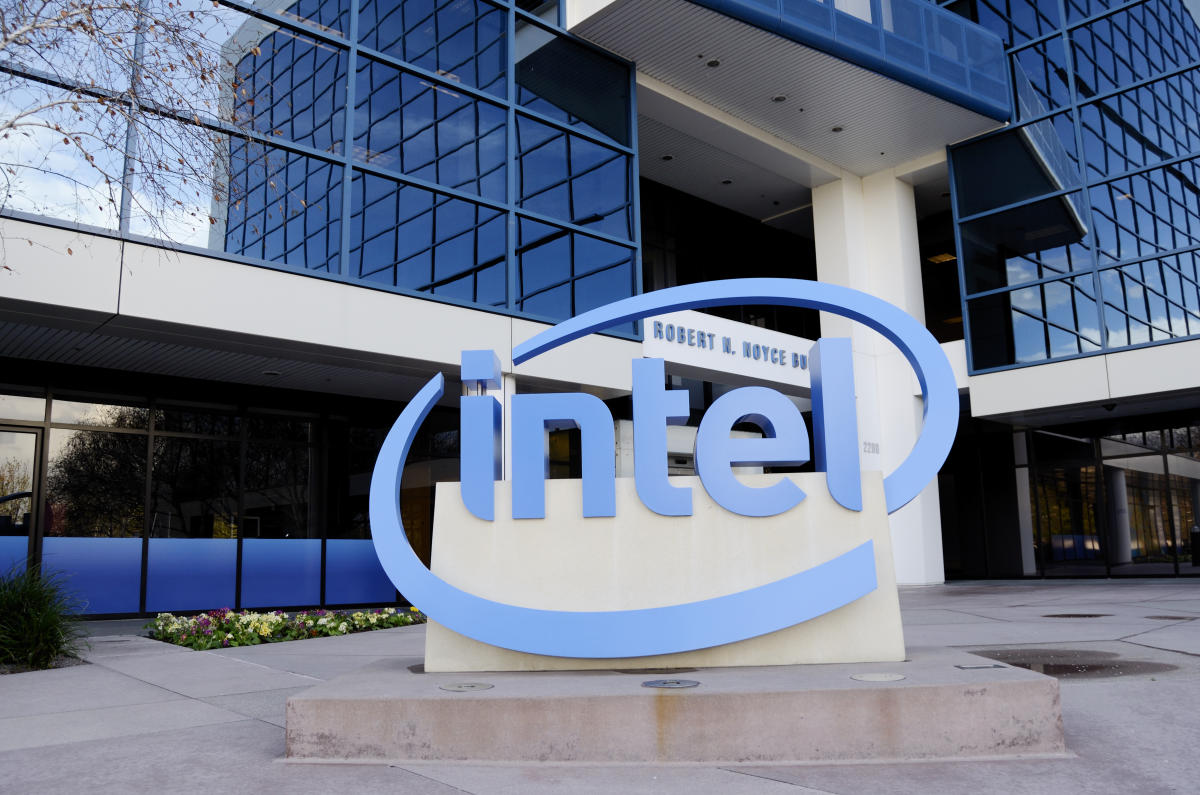
Intel Explores Strategic Options Amid Business Struggles, Considers Selling Units

Intel is working with advisors, including Morgan Stanley, to present its board with a range of strategic options to address the company’s faltering performance. These options, which could involve selling off certain business units, will be discussed at an upcoming board meeting in September. The move comes as Intel faces growing investor skepticism and increasing competition from rivals like Nvidia, whose AI-driven GPU technology has gained dominance in the market. Despite CEO Pat Gelsinger’s assurances of operational efficiency and the company’s upcoming release of its Lunar Lake processors, Intel’s stock has fallen nearly 60% this year. Recent layoffs of 15,000 employees and costly expansions in the company’s foundry business have yet to alleviate investor concerns. Intel is under pressure to reverse its downward trajectory and regain its standing in the semiconductor industry.