Yazılar

Voyager Technologies Raises $382.8 Million in U.S. IPO Amid Rising Military Spending

Voyager Technologies, a space and defense technology firm, announced on Tuesday that it raised $382.8 million in its initial public offering (IPO) in the United States. The company and some investors sold approximately 12.35 million shares at $31 each, exceeding the initially marketed range of $26 to $29 per share.

The Denver-based company specializes in mission-critical space and defense technology solutions. Its IPO marks a positive sign for the U.S. market, which has recently recovered from volatility caused by tariff-related disruptions.

Voyager’s public debut aligns with the Trump administration’s efforts to significantly boost defense and space budgets. Last month, President Trump selected a design for the $175 billion Golden Dome project, a next-generation missile defense shield for the U.S.

The stock will begin trading on the New York Stock Exchange under the ticker symbol “VOYG” starting Wednesday. Morgan Stanley and J.P. Morgan served as lead underwriters for the offering.

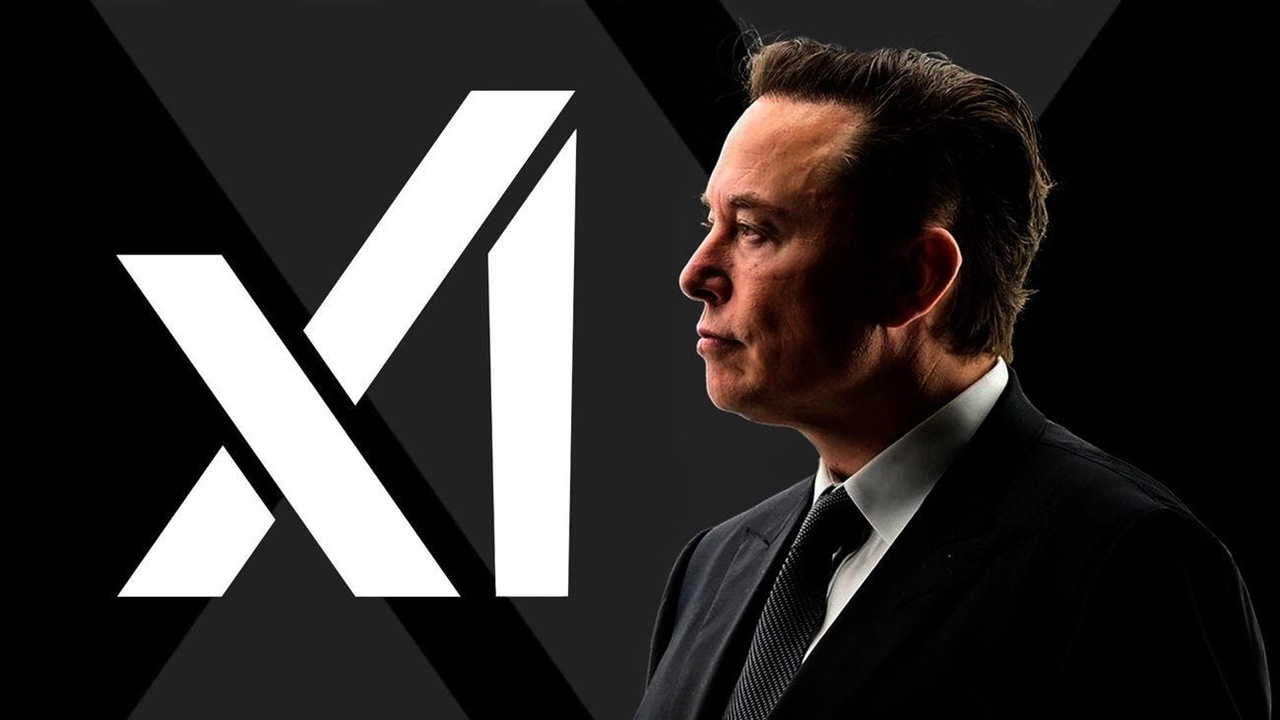
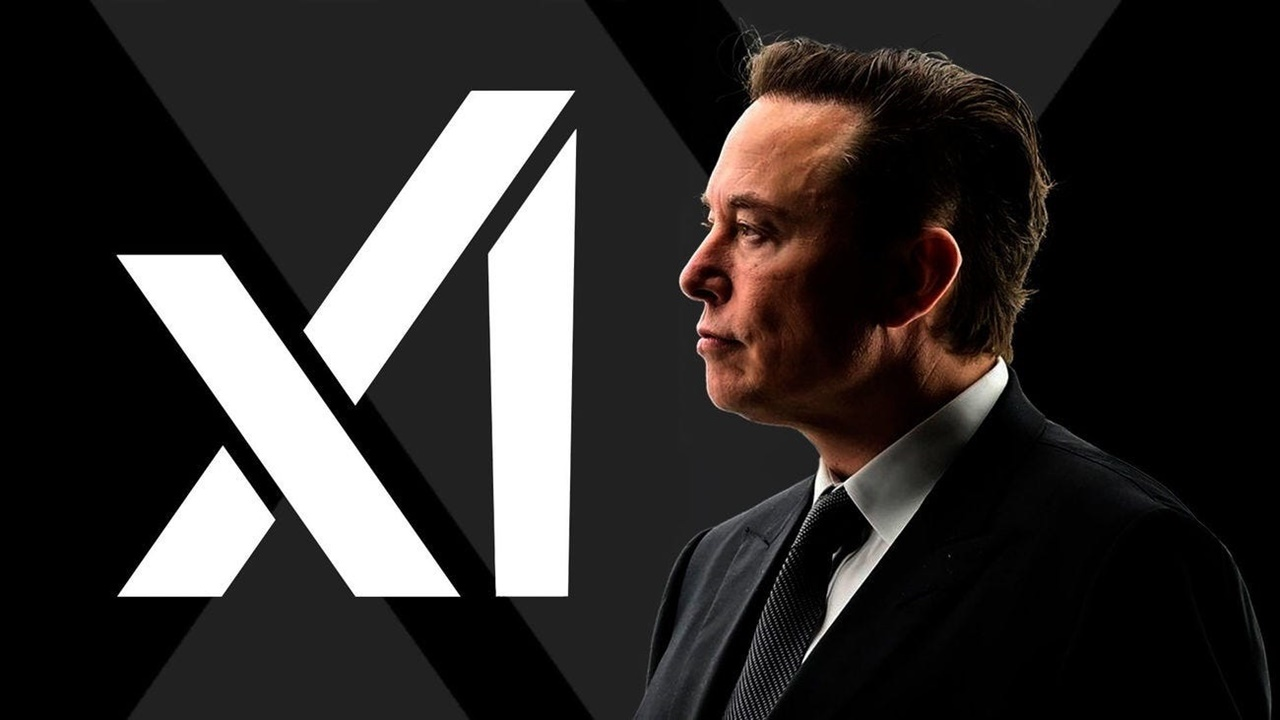
Morgan Stanley Markets $5 Billion Debt Package for Elon Musk’s xAI Amid Political Tensions

Morgan Stanley is marketing a $5 billion debt package, including bonds and two loans, for Elon Musk’s artificial intelligence company xAI, according to sources familiar with the matter. The move comes during escalating tensions between Musk and U.S. President Joe Biden, adding complexity to the fundraising efforts.

Last week, Morgan Stanley began discussing a floating-rate term loan B, priced at 97 cents on the dollar, with an interest rate set at 700 basis points above the SOFR benchmark. A second financing option offers a fixed rate of 12%, though both structures are subject to investor demand and may change as discussions progress. Preliminary financial details were shared with investors during a recent meeting.

Unlike prior Musk-related transactions, Morgan Stanley is approaching this deal on a “best efforts” basis, meaning it will not guarantee the full issue volume or commit its own capital. This cautious stance reflects a more conservative lending approach amid uncertain macroeconomic conditions. The bank’s restraint follows its experience with Musk’s $44 billion acquisition of Twitter (now X) in 2022, when seven banks led by Morgan Stanley were left holding $13 billion in debt for over two years after the Federal Reserve raised interest rates.

Banks typically offload such loans to investors soon after deals close, but the X debt remained on their books until early 2024. Improved financial performance at X, bolstered by increased platform traffic and Musk’s proximity to former U.S. President Donald Trump, finally allowed banks to sell the debt. Investor interest was also fueled by growing enthusiasm for artificial intelligence investments and the potential political influence tied to Musk’s ventures.

In parallel with the debt sale, xAI has been in discussions to raise around $20 billion in equity funding. Depending on negotiations, the company’s valuation could range from over $120 billion to as much as $200 billion, according to various sources. An earlier plan to merge xAI with social media platform X was ultimately abandoned.

However, recent political developments have complicated Musk’s fundraising prospects. A public rift between Musk and Trump has emerged, potentially jeopardizing federal contracts or grants to Musk’s private companies. This political uncertainty could dampen investor appetite for xAI’s debt or lead to demands for higher risk premiums.

Morgan Stanley and xAI declined to comment on the ongoing negotiations.

Elon Musk’s xAI Projects Over $13 Billion Annual Earnings by 2029, Bloomberg Reports

Artificial intelligence startup xAI, founded by Elon Musk, expects to generate more than $13 billion in annual earnings by 2029, according to data shared by its banker Morgan Stanley, Bloomberg News reported on Thursday.

Morgan Stanley is seeking investors for a $5 billion debt sale by xAI and has disclosed the AI company’s financials to potential investors willing to commit at least $50 million. The figures reveal that xAI aims to reach $1 billion in gross revenue by the end of 2025 and $14 billion by 2029.

In the first quarter of this year, xAI reported $52 million in gross revenue but faced a loss of $341 million before interest, taxes, depreciation, and amortization (EBITDA). Projections show a rapid improvement, with EBITDA expected to rise to $2.7 billion by 2027 and hit $13.1 billion in 2029.

Like many AI startups, xAI is investing heavily in infrastructure, planning $18 billion in future data center investments following $2.6 billion in capital expenditures so far.

This financial unveiling coincides with a highly public spat between Elon Musk and former U.S. President Donald Trump, involving threats over government contracts. The effect of this dispute on xAI’s debt sale remains unclear.

In addition to the debt raise, xAI is reportedly targeting a valuation of $113 billion in a concurrent $300 million share sale.

Neither Morgan Stanley nor xAI has responded to Reuters requests for comment.