Yazılar

Curiosity Rover Discovers Signs of Ancient Liquid Water on Mars, Redefining Habitability

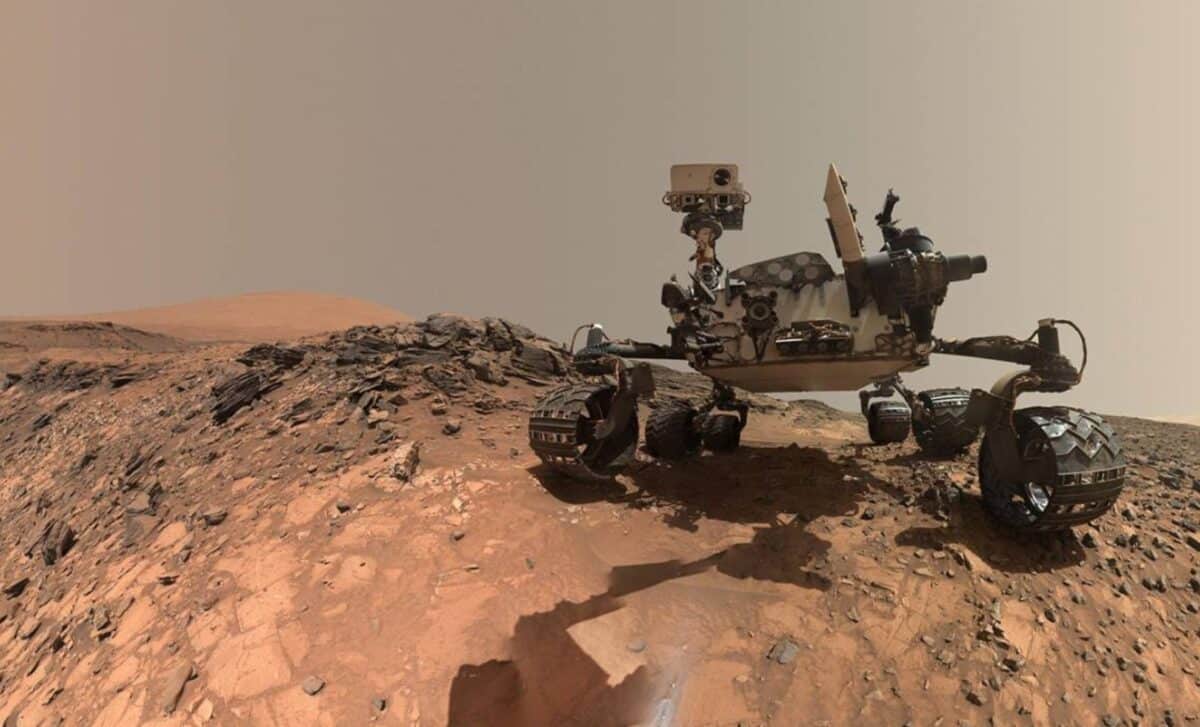
NASA’s Curiosity rover has uncovered new evidence suggesting that liquid water once flowed openly on Mars, extending the planet’s window of habitability. The rover captured images of distinct ripple patterns in Gale Crater, indicating that Martian lakes were not always trapped beneath ice but were exposed to the atmosphere. This discovery challenges previous theories that water on Mars was primarily subterranean or locked in ice sheets, offering fresh insights into the planet’s ancient climate and its potential to support microbial life.

The study, published in Science Advances, details how these formations resemble wave ripples commonly found in lakebeds on Earth. Curiosity documented the patterns in two different regions of Gale Crater, where it has been exploring since 2012. The structures measure about six millimeters in height and are spaced four to five centimeters apart, suggesting that they were shaped by interactions between wind and water in a shallow Martian lake. This evidence indicates that Mars once had standing bodies of water that were not completely frozen, reshaping scientists’ understanding of its hydrological history.

Claire Mondro, a sedimentologist at Caltech and the study’s lead author, emphasized that the ripples could only have formed in a lake where liquid water was exposed to the atmosphere and influenced by wind. This suggests that Mars once had a denser atmosphere capable of sustaining surface water for longer than previously thought. The presence of open water could have provided more stable conditions for potential microbial life, reinforcing the idea that ancient Mars was more Earth-like than once believed.

These findings add to growing evidence that Mars underwent multiple climate shifts in its past, transitioning between cold, icy periods and warmer, wetter phases. Understanding these changes is crucial for future exploration missions, as it may help scientists identify regions where signs of past life could be preserved. As Curiosity continues its mission, researchers hope to uncover additional clues about the Red Planet’s evolving environment and its potential to have once supported life.
NASA Astronauts Sunita Williams and Butch Wilmore Address ‘Stranded’ Rumors, Confirm March Return

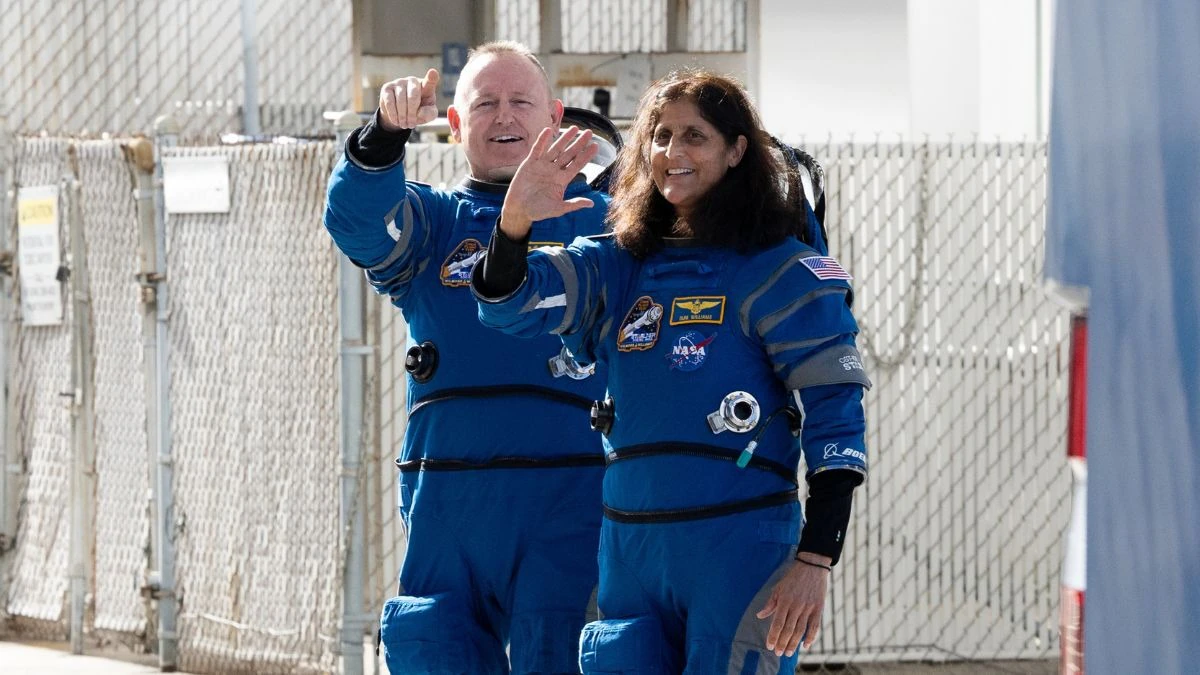
NASA astronauts Sunita Williams and Butch Wilmore have dismissed concerns about being “stranded” aboard the International Space Station (ISS) after their mission, initially planned for ten days, was extended due to technical issues with Boeing’s Starliner spacecraft. The two astronauts, who arrived at the ISS in June 2024, will now return to Earth aboard SpaceX’s Crew-9 mission in March 2025. Despite speculation, both have assured the public that they remain safe, engaged in their duties, and do not feel abandoned in orbit.

The decision to extend their stay was made after Starliner experienced thruster malfunctions during its docking procedures. As reported by Space.com, NASA engineers have been conducting thorough analyses to resolve these technical issues before Starliner can be certified for future missions. Meanwhile, Williams and Wilmore’s return was integrated into the ISS’s routine crew rotation, allowing them to travel back aboard Crew-9’s Dragon capsule. This schedule adjustment aligns their mission with the typical six-month stay of astronauts on the station.

Addressing the “stranded” narrative, Wilmore stated in an interview with CNN that their extended stay was a planned adjustment rather than an emergency. He emphasized that all astronauts aboard the ISS have immediate return options in the event of an emergency, ensuring their safety at all times. Williams echoed his sentiments, highlighting that their additional time in space has allowed them to contribute further to scientific experiments and station operations, making the most of their extended mission.

This situation underscores the complexities of human spaceflight and the importance of flexibility in mission planning. NASA and Boeing continue working on Starliner’s technical improvements to ensure its readiness for future flights, while SpaceX’s Crew Dragon remains a reliable transport option. The experience gained from this extended mission will contribute to refining crewed spaceflight strategies as NASA advances its long-term goals, including lunar and deep-space exploration under the Artemis program.

Blue Ghost Lunar Lander Poised for Landmark Moon Touchdown in 2025

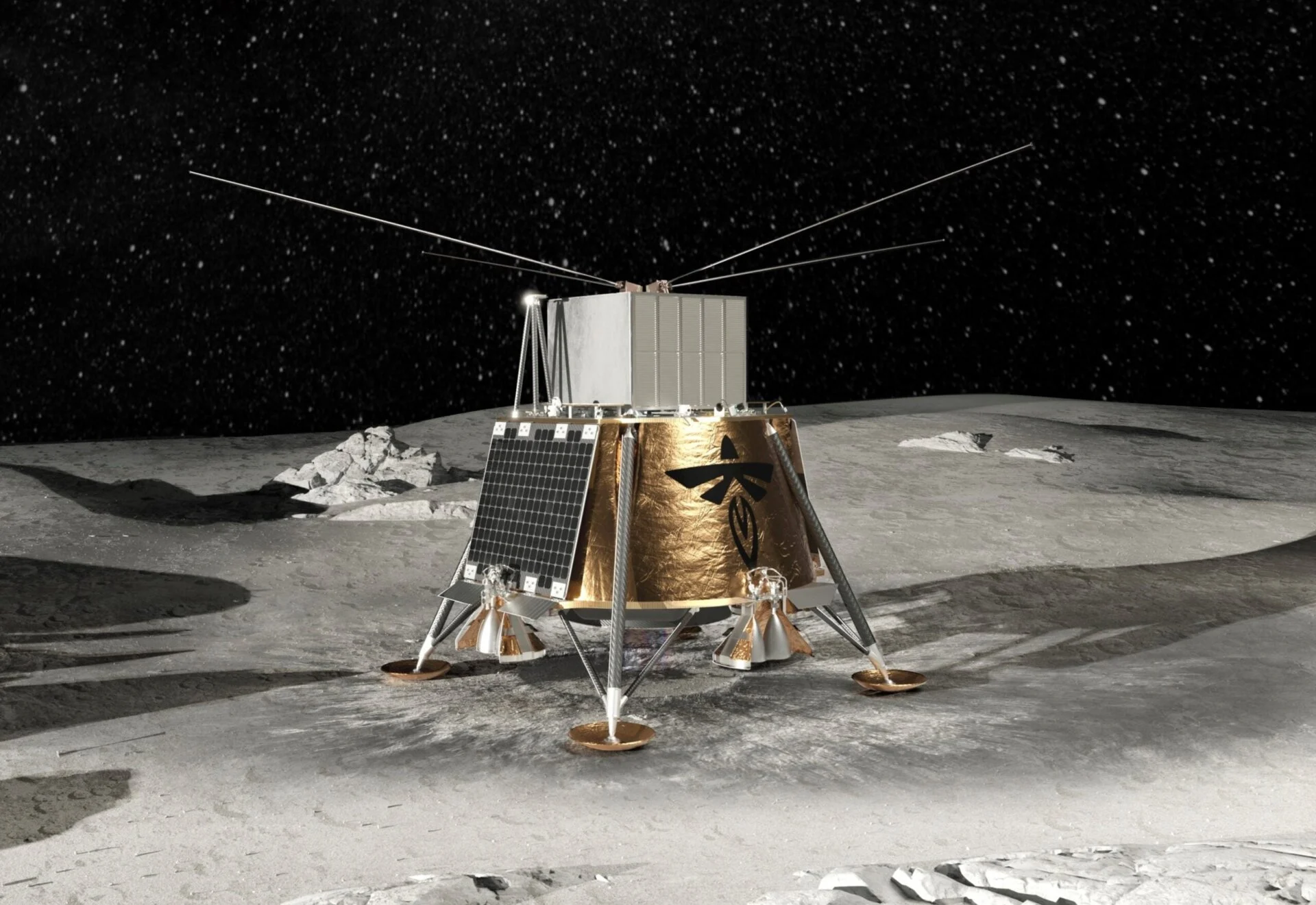
Firefly Aerospace’s Blue Ghost lunar lander is set to make history with its anticipated descent onto the Moon’s surface on March 2, 2025. Scheduled to land no earlier than 3:45 a.m. EST, the spacecraft is targeting Mare Crisium, a vast lunar basin located in the northeastern region of the Moon’s near side. This mission is a critical part of NASA’s Commercial Lunar Payload Services (CLPS) initiative, which supports the Artemis program by delivering scientific instruments and technology demonstrations to the Moon. The data collected will provide valuable insights into the lunar environment and help pave the way for future human exploration.

NASA has announced extensive live coverage of the landing, which will begin at 2:30 a.m. EST on NASA+ and Firefly Aerospace’s YouTube channel. Throughout the descent sequence, real-time updates will be available via NASA’s blog and social media platforms. Accredited media members have been invited to an exclusive viewing event in Austin, Texas, with applications open until February 24. Following the landing, NASA and Firefly Aerospace will hold a joint press briefing to discuss the mission’s results and operational performance.

The Blue Ghost lander was launched on January 15, 2025, at 1:11 a.m. EST aboard a SpaceX Falcon 9 rocket from Kennedy Space Center in Florida. The spacecraft is carrying ten NASA-backed payloads designed to study the lunar surface and test new technologies essential for future crewed missions. These instruments will analyze lunar dust, radiation levels, and thermal properties, helping scientists refine strategies for long-duration space travel and astronaut safety on the Moon and Mars.

This mission represents a significant milestone in NASA’s broader lunar exploration strategy. By leveraging commercial partnerships like Firefly Aerospace, NASA aims to establish a sustainable presence on the Moon and prepare for the next era of deep space exploration. The success of Blue Ghost could lay the groundwork for future lunar landers and play a vital role in shaping the Artemis program’s long-term objectives.