Yazılar

Athena Lunar Mission to Send ‘Gracie’ Hopper for South Pole Crater Exploration

Athena Lunar Mission to Deploy ‘Gracie’ Hopper for Crater Exploration

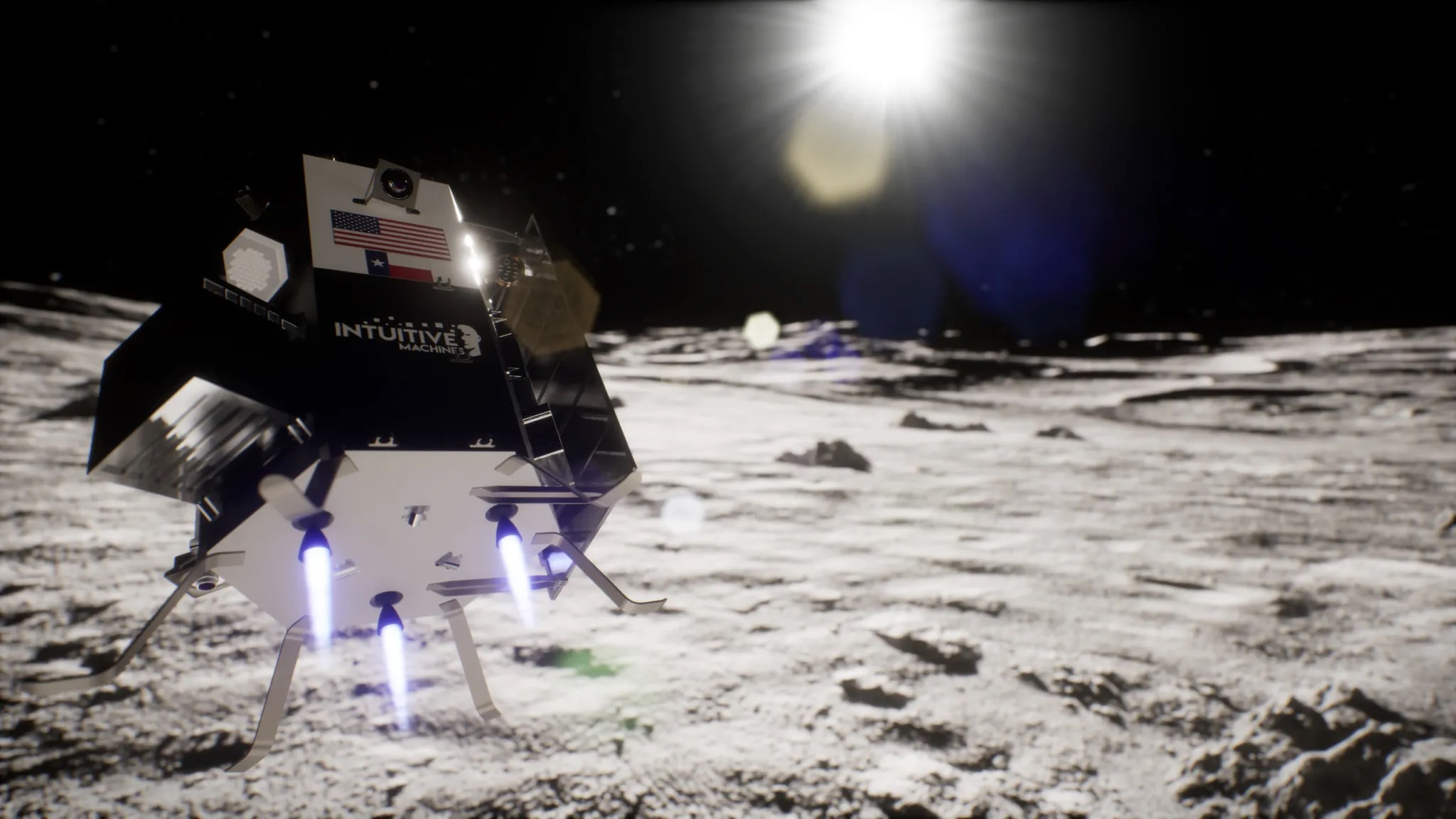
A groundbreaking lunar mission is set to launch later this month, featuring a rocket-powered hopper designed for unprecedented surface exploration. The mission, named Athena, will carry multiple scientific payloads, including Gracie, a robotic explorer developed through a collaboration between Intuitive Machines and NASA. Scheduled to launch from Florida’s Space Coast within a four-day window starting February 26, Athena aims to land on a plateau roughly 160 kilometers from the Moon’s south pole—a region of high scientific interest due to potential water ice deposits.

Gracie’s Unique Hopping Exploration Strategy

Unlike traditional lunar rovers, Gracie is built for mobility using a series of controlled rocket-assisted jumps across the Moon’s surface. According to Space.com, the robotic hopper will conduct five precision hops, with its first reaching 20 meters in height. Each subsequent hop will increase in altitude and distance, ultimately leading Gracie into a permanently shadowed crater known as Crater H, located about 500 meters from the Athena lander. The crater, approximately 20 meters deep, is believed to contain ice deposits, making it a prime location for scientific study.

Pushing the Limits of Lunar Exploration

Speaking at a NASA press conference, Trent Martin, Senior Vice President of Space Systems at Intuitive Machines, emphasized Gracie’s role in pushing the boundaries of robotic exploration. The final hop, which will take Gracie into the depths of Crater H, presents significant technical challenges, particularly in terms of maintaining communication and navigation in low-light conditions. To overcome these obstacles, the mission will rely on Nokia’s Lunar Surface Communication System, which aims to establish the first 4G/LTE network on the Moon.

Advancing Lunar Science and Future Missions

If successful, the Athena mission and Gracie’s exploration could provide crucial data on lunar ice deposits, aiding future crewed missions and long-term lunar habitation plans. The mission is a testament to the growing role of private space companies in advancing space exploration, as Intuitive Machines continues to develop cutting-edge technologies alongside NASA. With its innovative hopping mechanism and state-of-the-art communication systems, Gracie could pave the way for more dynamic and far-reaching robotic missions across the Moon’s challenging terrain.

Asteroid 2024 YR4 Shows 1-in-43 Odds of Colliding with Earth in 2032

A newly discovered asteroid, 2024 YR4, has raised concerns among scientists due to its potential risk of impacting Earth in 2032. The asteroid, which measures around 55 meters in diameter, was first detected on December 27, 2024, by NASA’s Asteroid Terrestrial-impact Last Alert System. While the chances of a collision are relatively low, with an estimated 1-in-43 probability, the consequences of an impact could be catastrophic, potentially causing massive destruction. If it were to strike, the energy released would be approximately 8 megatons, significantly higher than the atomic bomb that devastated Hiroshima in 1945.

Despite the concerning possibilities, experts have reassured the public that 2024 YR4 is not expected to pose an existential threat. However, the asteroid’s trajectory includes several close approaches to Earth in the coming decades, with the most likely impact date projected for December 22, 2032. NASA and other space agencies are carefully monitoring its movements, tracking the asteroid’s path through the Torino Impact Hazard Scale. Currently, it sits at a Level 3 classification, meaning it requires ongoing observation to assess the likelihood of impact and determine any necessary actions.

The Torino Impact Hazard Scale is a key tool used by scientists to assess the potential risk posed by near-Earth objects (NEOs). While many asteroids flagged at Level 3 are often later downgraded to Level 0 (indicating no imminent danger), experts are not taking any chances. Continuous surveillance of 2024 YR4 is crucial to refining impact predictions and providing ample time for any needed planetary defense measures. NASA’s Double Asteroid Redirection Test (DART) mission, for example, has shown promising results in testing asteroid deflection methods, which could be used to alter the course of hazardous objects if necessary.

Given the uncertainty of the asteroid’s exact path, experts emphasize the importance of ongoing observation and preparation. While it is too early to determine whether 2024 YR4 will actually pose a threat, planetary defense initiatives are rapidly advancing. Should its risk increase in the future, scientists will have a range of strategies at their disposal to mitigate the potential impact, ensuring that Earth is better prepared for any unforeseen asteroid collisions.

Perseverance Rover Uncovers Ancient Martian Rock in Jezero Crater

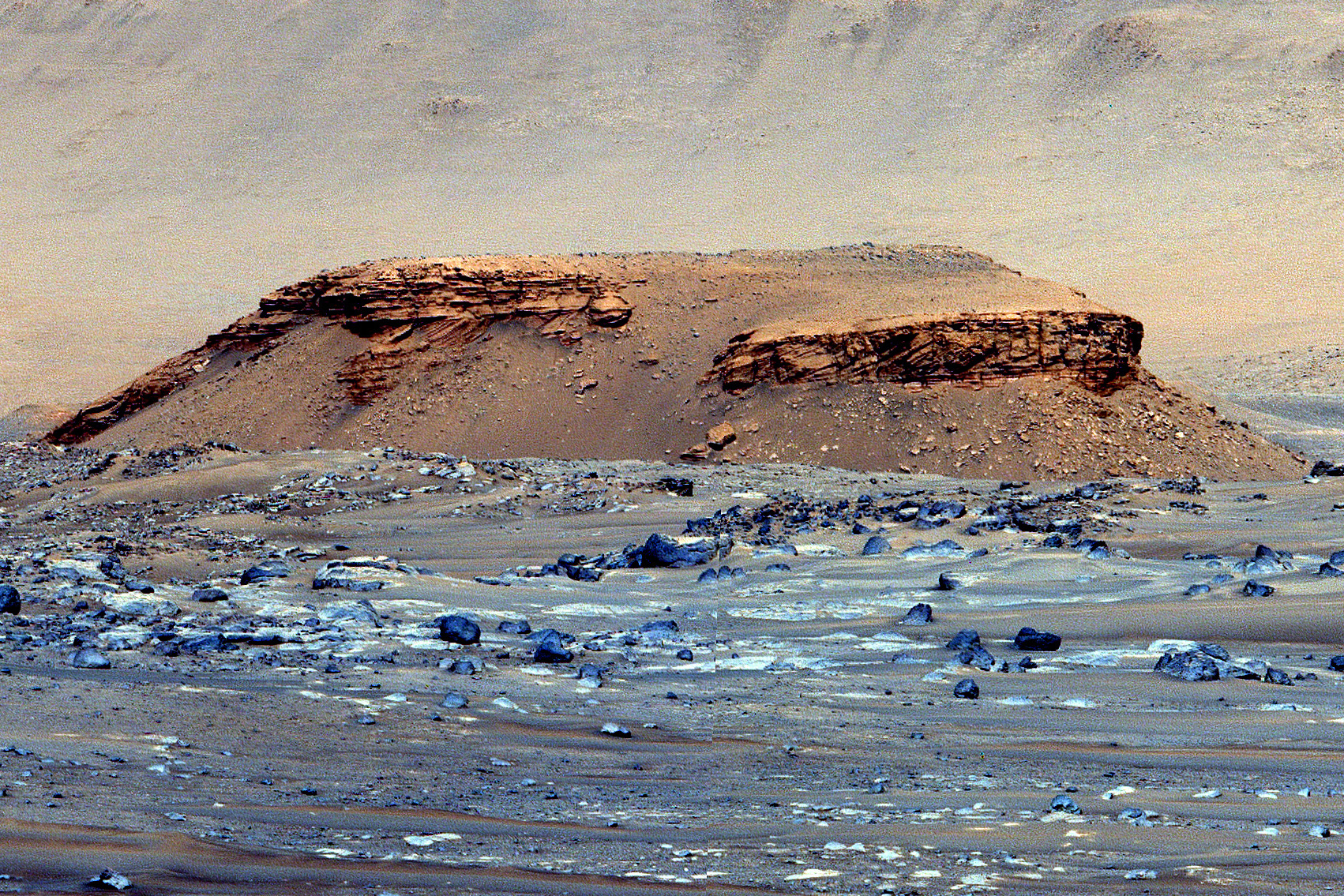
NASA’s Perseverance rover has collected a unique rock sample from the Jezero Crater, revealing previously unseen textures that could provide new insights into Mars’ ancient past. The sample, named “Silver Mountain,” measures 2.9 centimeters and is considered a rare geological find. Scientists believe it originates from some of the oldest known Martian rock formations, potentially dating back billions of years. The discovery was confirmed through images captured by the rover’s Sample Caching System Camera (CacheCam), marking another significant milestone in the mission’s exploration of Mars’ geological history.

According to NASA’s Jet Propulsion Laboratory (JPL), the rocks in this region are among the oldest in the solar system. These formations likely emerged following a major impact event that exposed deep layers of Mars’ crust. By studying the composition of such ancient rocks, scientists hope to gain a better understanding of the planet’s early evolution, including how its surface changed over time. If the sample contains traces of certain minerals, it could offer further clues about Mars’ past volcanic activity and climate conditions.

Jezero Crater has long been a target of interest for planetary scientists, as evidence suggests it once held a lake that could have supported microbial life. Since landing in 2021, Perseverance has been collecting rock and soil samples to analyze signs of past water activity. Previous findings have indicated the presence of minerals formed through water-rock interactions, reinforcing the idea that Mars once had conditions suitable for life. The Silver Mountain sample is expected to add to this growing body of knowledge by providing additional context about the planet’s environmental history.

NASA scientists plan to study this newly acquired sample in detail, with the goal of uncovering its precise mineral composition and formation process. Future missions, such as the Mars Sample Return initiative, may eventually bring it back to Earth for more advanced laboratory analysis. If successful, this could mark a breakthrough in understanding not only Mars’ past habitability but also broader planetary processes that shaped the early solar system.