Yazılar

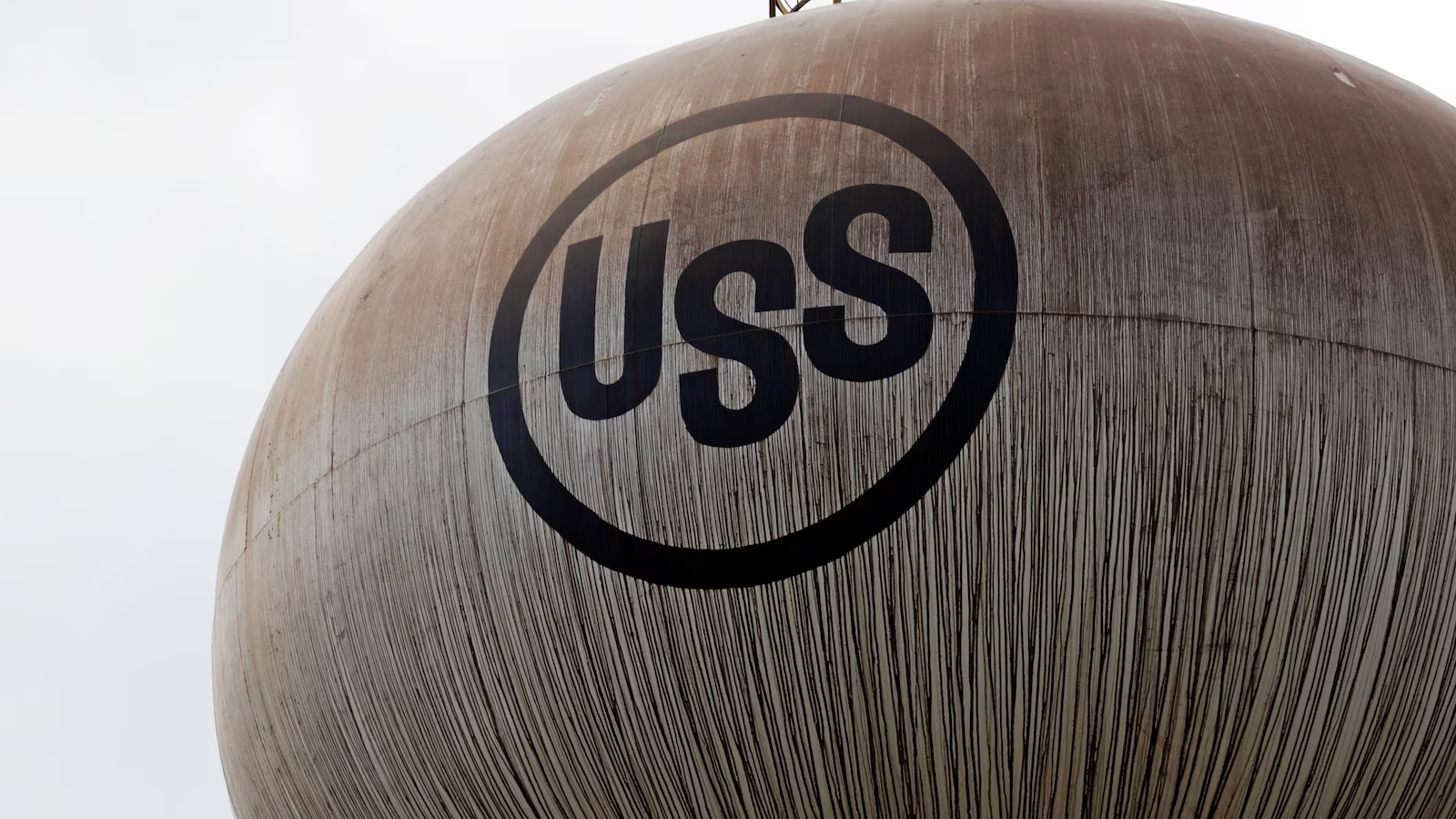
Exclusive: US Warns Nippon Steel Bid for U.S. Steel Poses National Security Risk

The Biden administration, through the Committee on Foreign Investment in the United States (CFIUS), warned Nippon Steel that its $14.9 billion acquisition of U.S. Steel poses a national security threat by potentially weakening the American steel industry. Both Democrats and Republicans have voiced opposition to the deal, with Vice President Kamala Harris and former President Donald Trump expressing strong desires to keep U.S. Steel under American ownership. In a letter sent to the companies, CFIUS highlighted concerns that the transaction would harm U.S. steel production and diminish efforts to seek trade remedies. In their response, the companies warned that rejecting the deal could lead to the idling of U.S. Steel’s blast furnace facilities, result in thousands of job losses, and ultimately weaken the U.S. steel supply chain. While Nippon Steel and U.S. Steel maintain that the deal would strengthen the industry and pose no security risks, political pressures and economic concerns are at the heart of the debate, as the companies consider their legal options to move forward.

 

Former New York Governors’ Aide Charged as Alleged Agent for Chinese Government in Major Espionage Case

Linda Sun, a former aide to New York Governors Kathy Hochul and Andrew Cuomo, has been charged with acting as an agent for the Chinese government. The indictment alleges Sun, along with her husband Chris Hu, engaged in a range of criminal activities, including money laundering, visa fraud, and conspiring to violate the Foreign Agents Registration Act. Sun is accused of leveraging her positions in state government to benefit the Chinese Communist Party (CCP), facilitating unauthorized travel for Chinese officials and altering state messaging to align with CCP interests. The charges, which include blocking Taiwanese diplomatic efforts and manipulating pandemic-related communications, have sparked national security concerns. Sun and Hu, both pleading not guilty, await their next court appearance, with bond set at $1.5 million and $500,000 respectively. The case sheds light on foreign influence efforts within US state governments, raising alarms about the extent of Chinese infiltration and espionage at various governmental levels.


U.S. Government Funding Supports Over 1,000 Patents for China-Based Researchers, Sparking National Security Concerns

A recent review of U.S. patent data has revealed that more than 1,000 U.S. patents have been granted to China-based inventors since 2010, with many of these patents funded by U.S. government agencies such as the Department of Defense, NASA, and the Department of Energy. These patents span crucial fields including biotechnology and semiconductors, raising alarms about the potential national security risks posed by U.S. taxpayers inadvertently supporting technological advancements that may benefit China.

The revelation has sparked increased scrutiny of the U.S.-China Science and Technology Agreement, a cooperation pact dating back to 1979. Critics argue that this agreement disproportionately benefits China, amplifying calls for its renegotiation or cancellation. The agreement, which expired in August 2023, is currently under review, with lawmakers divided on whether to extend it. While opponents fear the accord enables China’s growing military power and intellectual property theft, proponents caution that ending it could stifle valuable academic and commercial collaboration between the two nations.

The data from the U.S. Patent and Trademark Office indicates that from 2010 through the first quarter of 2024, the U.S. government funded research that led to 1,020 patents involving China-based inventors. Of these, 197 patents were related to pharmaceuticals, while 154 were tied to biotechnology. Notably, funding from the Department of Defense supported 92 of these patents, despite concerns that technological advancements in these areas could strengthen China’s strategic industries.

The drop in patents from a high of 99 in 2019 to 61 in 2023, along with concerns over China’s global leadership in patent filings, underscores the shifting dynamics in global innovation. As debates continue over the future of the U.S.-China science agreement, the patent data serves as a stark reminder of the complex balance between collaboration and competition in the realm of technological advancement.