Chinese Hackers Steal Metadata of Numerous Americans, U.S. Official Reveals
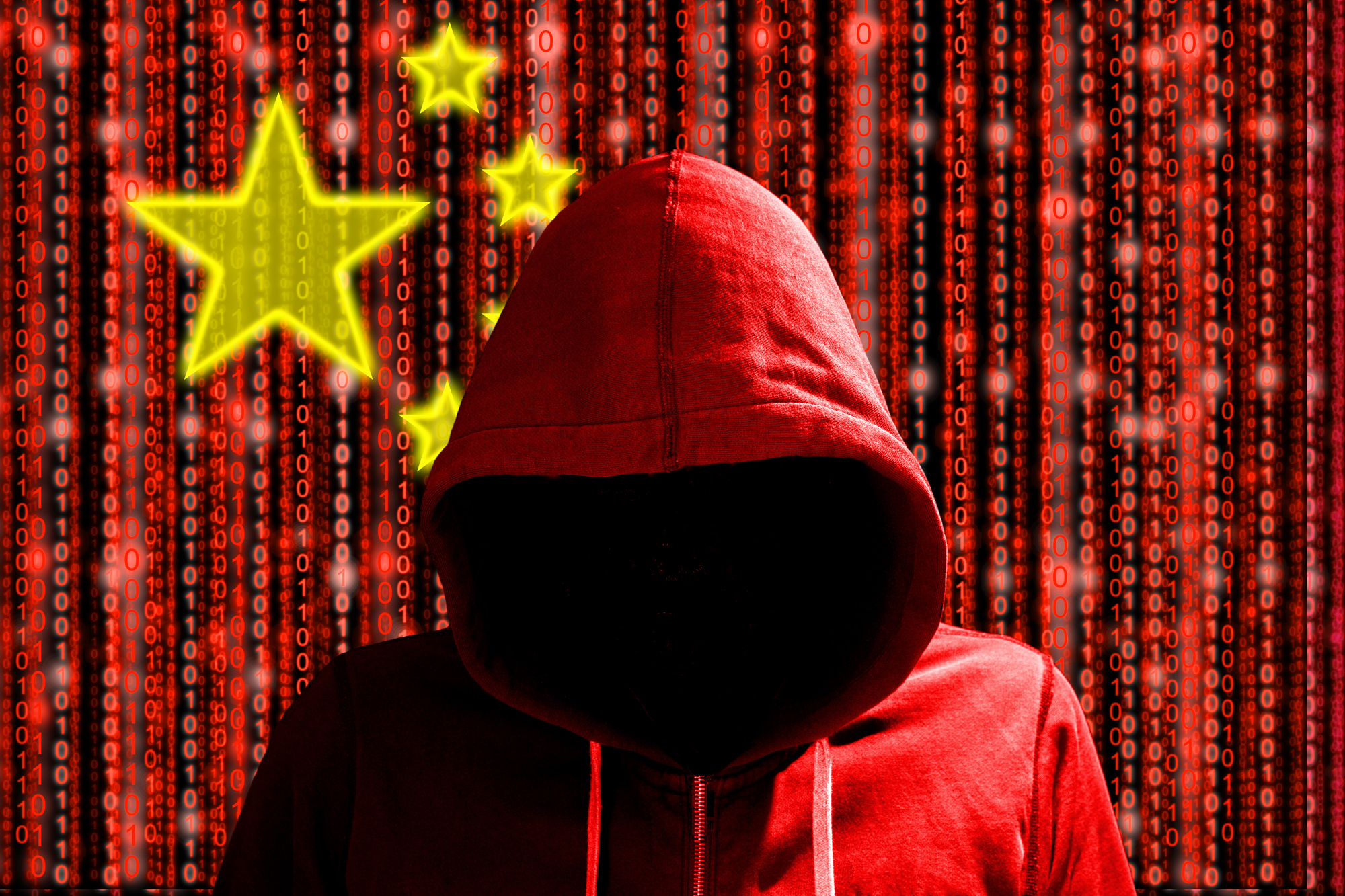
Chinese cyberespionage group “Salt Typhoon” has stolen a significant amount of metadata from Americans in an extensive hacking campaign, according to a senior U.S. official. The official, speaking anonymously on Wednesday, described the infiltration as wide-reaching and ongoing, with the Chinese government focusing on specific individuals within the United States.
While exact figures were not disclosed, the scale of the breach was deemed substantial. When asked whether every American cell phone’s metadata was compromised, the official clarified, “We do not believe it’s every cell phone in the country, but potentially a large number of individuals were targeted.”
Telecommunications Sector Targeted
Salt Typhoon reportedly attacked dozens of companies worldwide, including at least eight telecommunications and infrastructure firms in the United States. Prominent U.S. telecom providers such as Verizon, AT&T, T-Mobile, and Lumen have been named as targets in past allegations.
T-Mobile stated that no customer data was compromised during the intrusion, while Lumen reported no evidence of customer information being accessed. However, the hackers are suspected of obtaining telephone audio intercepts and large volumes of call record metadata in other cases.
Metadata, though devoid of the actual content of phone calls, contains critical details such as who called whom, the duration of calls, and the locations involved. Collected at scale, this information can reveal highly detailed insights into an individual’s personal and professional life.
U.S. Government’s Response
The Biden administration has prioritized addressing the Salt Typhoon breach, with President Joe Biden receiving multiple briefings on the situation. Efforts to counter the cyber threat were underscored by a classified Senate briefing held on Wednesday, involving senior officials from key agencies.
Participants included the FBI, Director of National Intelligence Avril Haines, Federal Communications Commission Chair Jessica Rosenworcel, the National Security Council, and the Cybersecurity and Infrastructure Security Agency (CISA). The briefing emphasized the severity of the hackers’ infiltration of U.S. telecommunications networks.
Broader Implications
The theft of metadata highlights the vulnerabilities in telecommunications infrastructure and raises concerns about the potential misuse of this data. Experts warn that metadata, even without call content, offers a window into sensitive aspects of individuals’ lives, from their routines to their relationships.
The U.S. government continues to assess the scope of the breach and implement measures to secure critical infrastructure against further cyber intrusions. However, with the campaign still underway, the full extent of Salt Typhoon’s activities remains uncertain.