Yazılar

Deepening Canada-India Standoff Seen as Short-Term Boost for Modi, Trudeau

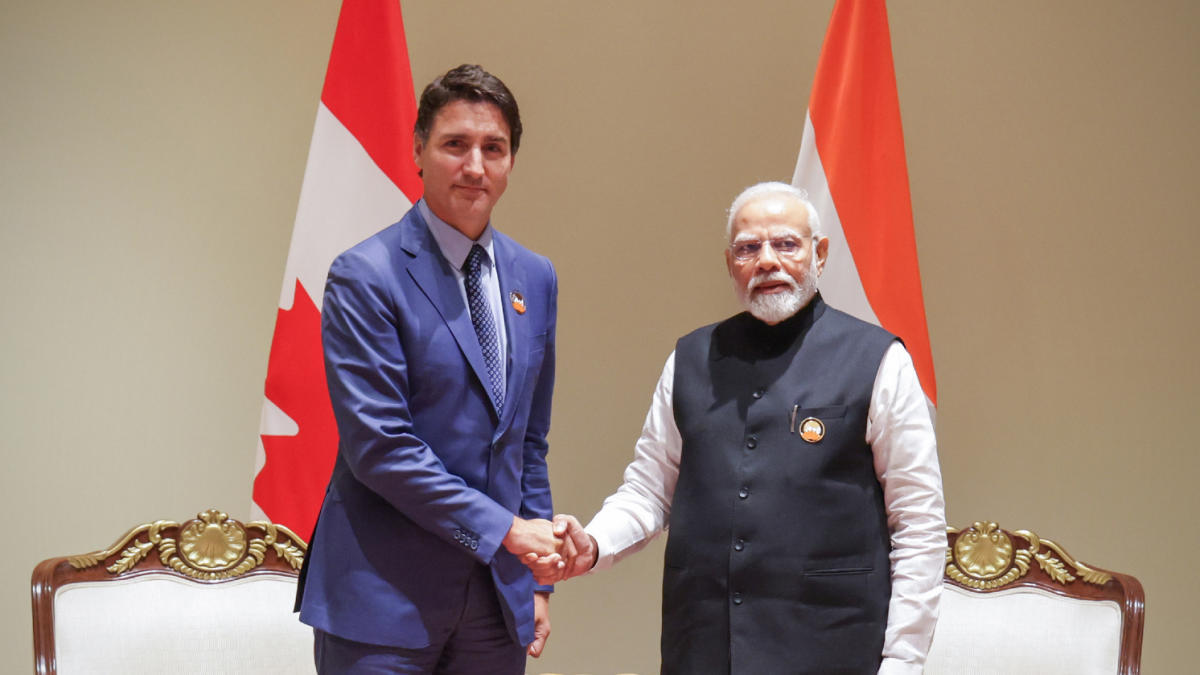
The recent diplomatic standoff between Canada and India, involving the expulsion of six diplomats from each country, is viewed as a short-term political gain for both Prime Minister Narendra Modi of India and Prime Minister Justin Trudeau of Canada, according to analysts. This diplomatic row, triggered by Canada’s accusation that Indian diplomats were involved in the murder of a Sikh separatist leader, has escalated tensions between the two nations.

Despite the deteriorating relationship, both leaders might benefit politically in the near term, as they face significant domestic challenges in their respective third terms.

Modi’s National Security Stance Strengthened

For Prime Minister Modi, the expulsion has provided an opportunity to reinforce his image as a defender of national security. Modi has long been seen as a hawk on this issue, and his firm stance against Canada’s actions could rally public support, especially following a recent electoral setback. In June, Modi’s Bharatiya Janata Party (BJP) lost its parliamentary majority, forcing him to rely on regional allies to maintain his coalition government. The diplomatic feud may help boost his domestic image as a strong leader.

Harsh Vardhan Shringla, India’s former foreign secretary, suggested that Indian citizens would view the government’s response as standing up to foreign interference. Harsh Pant, a foreign policy expert at the New Delhi-based Observer Research Foundation, added that Modi’s popularity would likely be unaffected, as he is perceived as a leader defending India’s territorial integrity.

Trudeau Seeks to Deflect Domestic Pressure

For Trudeau, the timing of the standoff shifts attention away from internal political turmoil. His Liberal Party is trailing in the polls ahead of a general election that must be held by October 2025, and there has been speculation about discontent within his party. By focusing on standing up for Canada’s sovereignty and addressing external threats, Trudeau has managed to sidestep calls for his resignation, at least temporarily.

In public remarks, Trudeau emphasized the importance of standing against foreign interference, redirecting focus from internal party issues. While his minority government depends on the support of opposition parties, both the New Democratic Party (NDP) and the Bloc Québécois have backed the expulsions, bolstering Trudeau’s stance for now.

Sikh Community and Its Political Influence

The Sikh community in Canada, which makes up about 2% of the population, plays an influential role in Canadian politics. India has often accused Canada of harboring Sikh separatists who seek an independent homeland in Punjab. However, Trudeau’s government has consistently denied any support for violent separatism.

The politically active Sikh community has largely backed the Liberals in recent years. Some Sikh leaders, like Moninder Singh of the B.C. Gurdwaras Council, have welcomed the Canadian government’s actions, seeing them as an attempt to hold India accountable. However, Singh suggested that the diplomatic dispute would have little impact on Canadian domestic politics, asserting that the government’s responsibility is to protect its citizens’ interests.

Short-Lived Benefits for Trudeau?

While Trudeau may experience a brief respite from internal political pressures, experts caution that any political gains may be temporary. Cristine de Clercy, a politics professor at Trent University, noted that Trudeau faces numerous domestic challenges, including economic issues, housing, and healthcare. She suggested that the diplomatic spat is unlikely to resolve his broader political difficulties in the long run.

The dispute, while significant in the realm of foreign policy, is unlikely to be a defining factor for Trudeau’s political future, as his government grapples with far more complex and pressing domestic concerns.
Biden Proposes Ban on Chinese Vehicles Over Software and National Security Concerns

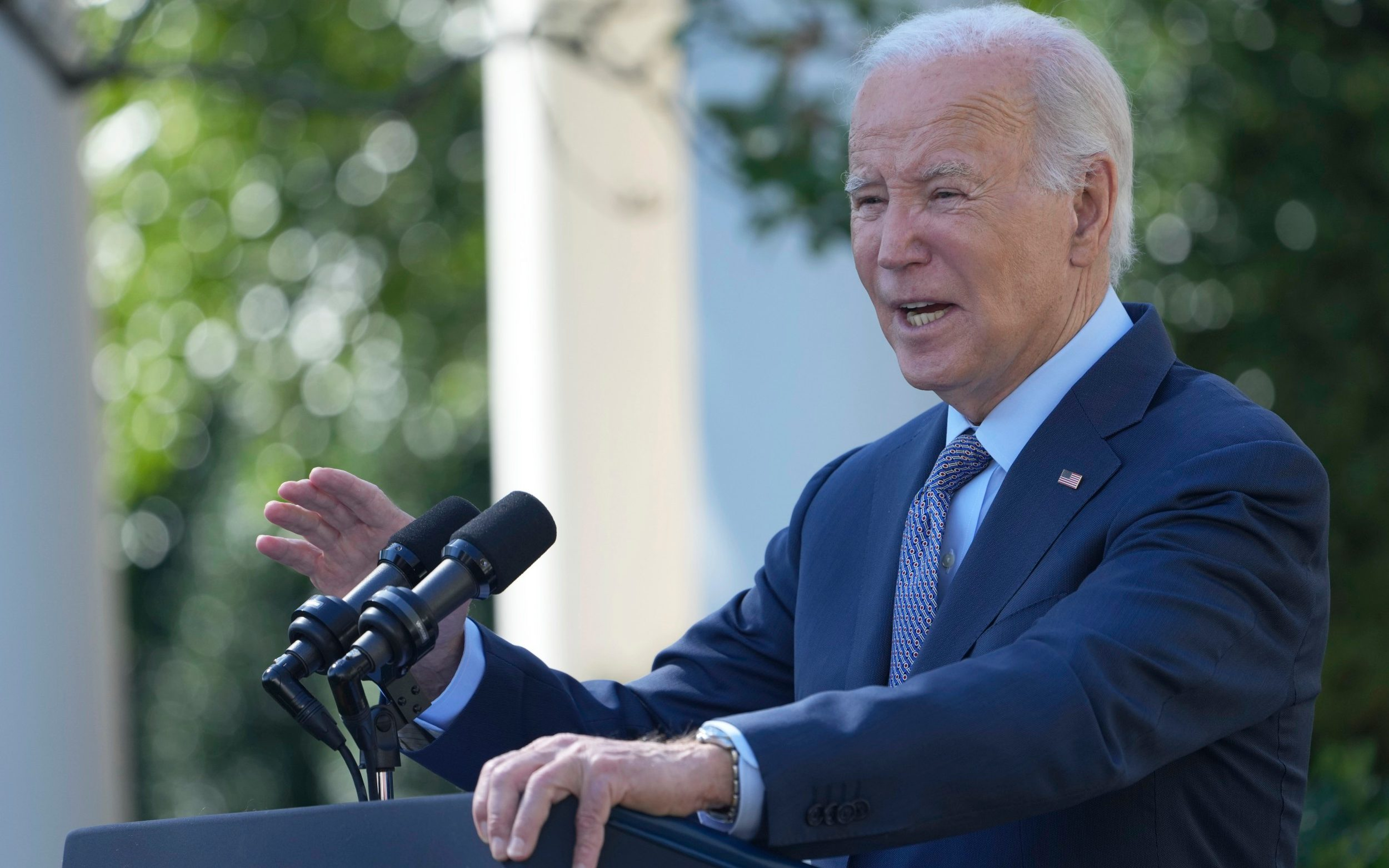
The Biden administration has proposed new regulations that would effectively ban Chinese vehicles from U.S. roads due to concerns over data privacy and national security. Announced by the U.S. Commerce Department, the proposed rules would prevent key Chinese software and hardware from being integrated into connected vehicles, citing risks of surveillance, remote control, and potential foreign manipulation. The regulations would apply to both Chinese-made cars and components from other adversarial countries like Russia.

This move, reported first by Reuters, extends ongoing U.S. restrictions on Chinese imports and comes amid escalating fears about the collection of data by Chinese companies. The administration’s concern is centered around connected vehicles, which are equipped with network hardware enabling internet access, allowing data sharing with external devices. Officials fear that this capability could be exploited for surveillance or even control of vehicles on American roads.

Commerce Secretary Gina Raimondo emphasized the potential risks posed by foreign adversaries having the ability to remotely control vehicles, which could lead to widespread disruptions and safety hazards. “In an extreme situation, a foreign adversary could shut down or take control of all their vehicles operating in the United States all at the same time, causing crashes, blocking roads,” Raimondo said during a briefing.

The proposed regulation would go into effect for software in the 2027 model year and for hardware by 2029. While the rules would apply to all vehicles on U.S. public roads, they would not affect agricultural or mining vehicles used off-road. Chinese automakers could apply for exemptions under “specific authorizations” but would face steep challenges entering or remaining in the U.S. market.

The Commerce Department’s proposal builds on earlier measures, including a 100% tariff on Chinese electric vehicles (EVs) and new restrictions on critical components like EV batteries. The Biden administration has ramped up efforts to curtail Chinese influence in the U.S. automotive industry, despite the limited number of Chinese cars currently imported. Raimondo noted that the administration is taking action early, before Chinese components become more common in U.S. vehicles.

White House National Security Adviser Jake Sullivan underscored the urgency of the issue, stating that the presence of potentially millions of connected vehicles with long lifespans increases the risk of sabotage and disruption. Sullivan also pointed to evidence of Chinese malware being embedded in U.S. infrastructure as a justification for the proposal.

The Chinese Embassy in Washington has pushed back against the plan, urging the U.S. to adhere to international trade rules and warning that China will “firmly defend its lawful rights and interests.” Meanwhile, the Alliance for Automotive Innovation, representing major automakers such as General Motors, Toyota, Volkswagen, and Hyundai, has expressed concern over the time and complexity involved in replacing software and hardware sourced globally, including from China.

The Commerce Department is seeking public input on the proposal over the next 30 days, aiming to finalize the regulation by January 20.


U.S. Tightens Chip Export Controls Amid China’s Semiconductor Advances

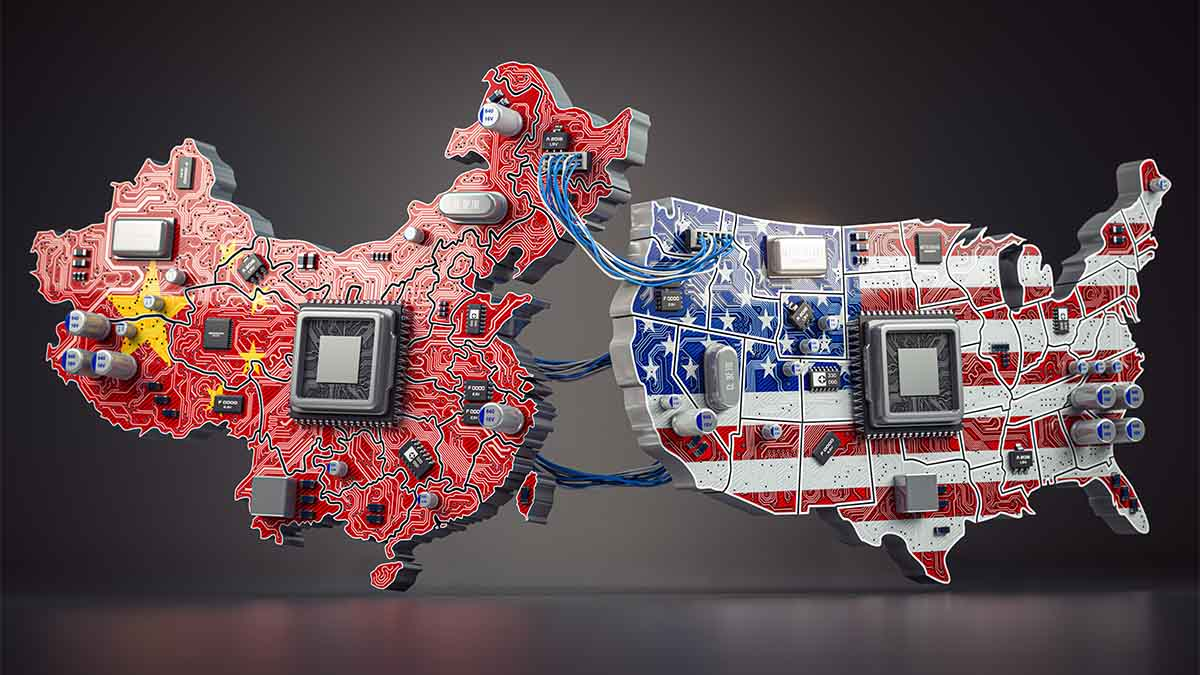
The Biden administration has unveiled new export controls targeting critical technologies, including quantum computing and advanced semiconductor goods, as China makes significant strides in the global chip industry. Announced by the U.S. Department of Commerce, the new rules encompass quantum computers, advanced chipmaking tools, high-bandwidth chips critical for AI, and components related to metals and alloys. These restrictions are rooted in national security concerns and align with ongoing efforts to limit China’s technological advancements.

While China was not specifically named, the controls are consistent with a series of actions taken by the U.S. to curb Beijing’s developments in AI and computing technologies. The U.S. has also been working closely with international partners like Japan and the Netherlands, which have implemented similar controls. A 60-day public comment period will precede the finalization of these new rules.

The new export rules underscore the intensifying competition between the U.S. and China in areas like quantum computing, which both nations view as transformative for future technological leadership. As China continues to invest heavily in its chip-making industry to reduce reliance on foreign technologies, a recent analysis found that China’s semiconductor technology is now just three years behind the global leader, Taiwan Semiconductor Manufacturing Co. (TSMC).

Despite U.S. efforts to maintain technological superiority, there is some resistance within the global semiconductor industry. Companies like ASML, which have been restricted from selling advanced equipment to China, have expressed concerns about the economic impact of these controls. Similarly, South Korea has called for additional incentives from the U.S. to justify compliance with further export curbs. China, meanwhile, argues that the U.S.-led restrictions are anti-competitive and disrupt the global semiconductor supply chain.

These developments highlight the growing geopolitical tensions in the tech industry, with the U.S. seeking to protect its technological edge while China accelerates its self-sufficiency drive in critical technologies.