
Yazılar

US Agencies to Brief House on Chinese “Salt Typhoon” Telecom Hacking

U.S. government agencies are set to hold a classified briefing on Tuesday for the House of Representatives regarding China’s alleged cyber espionage campaign, known as “Salt Typhoon.” The operation reportedly targeted American telecommunications companies, attempting to steal sensitive data, including metadata about U.S. calls.

The briefing, scheduled for 2:15 p.m. ET, will involve key agencies such as the FBI, the Office of the Director of National Intelligence, the Federal Communications Commission (FCC), the National Security Council, and the Cybersecurity and Infrastructure Security Agency (CISA). This session follows a similar briefing last week for senators.


Details on the Breach

The White House recently revealed that at least eight U.S. telecommunications companies and telecom infrastructure firms had been impacted by the Salt Typhoon campaign. A significant amount of metadata related to U.S. communications was reportedly stolen.

While Chinese officials have denied the allegations, calling them disinformation, there is growing concern within the U.S. government over the scale of the breach and its implications for national security and privacy.


Legislative and Regulatory Responses

Senator Ron Wyden has indicated he is working on draft legislation in response to the breach, while Senator Bob Casey expressed concerns about the timing of Congressional action, noting that a resolution might not come until next year.

Additionally, a Senate Commerce subcommittee will hold a hearing on Wednesday to examine how security threats, like Salt Typhoon, pose risks to communication networks and review industry best practices. Tim Donovan, CEO of the Competitive Carriers Association, is scheduled to participate in the hearing.


Security Concerns and Industry Impact

Senator Richard Blumenthal emphasized the alarming scope of Chinese hacking into U.S. telecom networks, describing it as “mind-boggling” and expressing deep concern about the lack of assurances for the public. The hacking campaign reportedly targeted major telecom companies, including Verizon, AT&T, and Lumen, extracting sensitive data like telephone audio intercepts and call records.


Looking Ahead

The Salt Typhoon breach has sparked debates about cybersecurity readiness and the need for stronger protections against foreign cyber espionage. U.S. lawmakers and regulators are under pressure to address vulnerabilities in the telecommunications infrastructure and reassure the public on the measures being taken to secure their communications.

ByteDance and TikTok Seek Emergency Halt of U.S. Ban Pending Supreme Court Review

China-based ByteDance and its subsidiary TikTok have filed an emergency motion with the U.S. Court of Appeals for the District of Columbia, seeking a temporary halt to a law that mandates ByteDance divest TikTok in the United States by January 19, 2024, or face a ban. The request aims to delay enforcement while the companies pursue a review by the U.S. Supreme Court.

TikTok argued that without intervention, the law would “shut down TikTok—one of the nation’s most popular speech platforms—for its more than 170 million domestic monthly users” just before the presidential inauguration. The platform’s closure would severely impact its value to ByteDance and its investors and harm businesses reliant on TikTok for advertising and sales.

On Friday, a three-judge panel upheld the law requiring ByteDance’s divestiture. The company is now racing against time, urging the appeals court to rule on its emergency request by December 16.

TikTok’s Legal and Political Maneuvering

ByteDance and TikTok emphasized the potential for the Supreme Court to reverse the lower court’s decision, arguing that this likelihood justifies a temporary pause. They also highlighted the incoming administration of President-elect Donald Trump, who has expressed opposition to the ban.

Trump has previously stated he would not allow a TikTok ban, noting the platform’s immense popularity. His incoming national security adviser, Mike Waltz, reinforced this position, emphasizing the importance of protecting user data while maintaining TikTok’s availability to Americans.

The timing of the decision could also allow President Joe Biden to grant a 90-day extension of the divestiture deadline before Trump assumes office on January 20. However, TikTok must demonstrate substantial progress toward divestiture to qualify for such an extension.

Concerns Over Data Security and Service Disruption

The law, part of broader U.S. concerns over foreign-owned apps, grants sweeping powers to ban platforms over data privacy risks. TikTok warned the decision would not only impact its U.S. user base but also disrupt services for millions of users outside the country. Hundreds of U.S. service providers supporting TikTok’s operations, including maintenance and updates, would no longer be able to perform these functions starting January 19.

This case highlights ongoing tensions between the U.S. government and Chinese tech companies over data security and national sovereignty. Similar efforts to ban Tencent’s WeChat in 2020 were blocked by the courts, demonstrating the complexities of enforcing such measures.

The Justice Department, meanwhile, has urged the appeals court to deny TikTok’s request quickly to allow sufficient time for Supreme Court consideration.

Scientists Discover Rare Metals in Coal Waste, Offering Potential for Clean Energy Transition

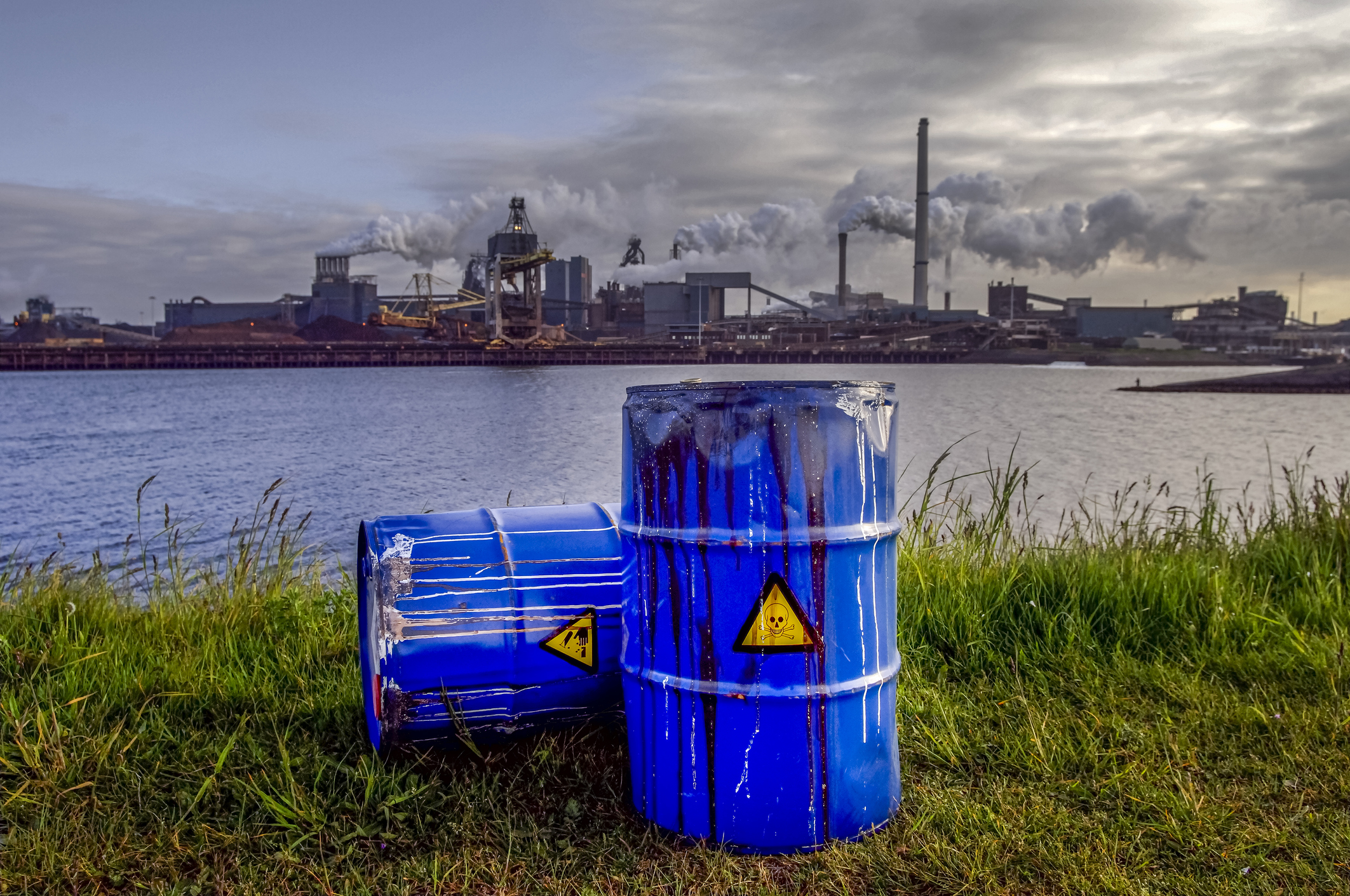
Scientists have uncovered a surprising potential source of rare earth metals in the vast amounts of coal ash left behind by power plants, presenting a new opportunity to advance clean energy technologies. These metals, essential for electric vehicles, solar panels, and wind turbines, are critical to the global shift away from fossil fuels, but their supply is limited. According to research led by the University of Texas at Austin, coal ash could contain up to 11 million tons of rare earth elements, worth around $8.4 billion. This is nearly eight times the amount currently available in U.S. reserves.

While coal ash has long been a concern due to its toxicity, the discovery of valuable rare earth elements within it could offer a way to recycle this waste and reduce reliance on mining. Bridget Scanlon, a research professor at the University of Texas, emphasized the opportunity to “close the cycle” by turning waste into a resource. The rare earth metals in coal ash, including scandium, neodymium, and yttrium, are crucial for clean technologies and are typically difficult and expensive to extract from conventional ore deposits.

Despite the name “rare earths,” these metals are not rare in nature but are challenging to separate from their ores. With global demand for these elements expected to rise sharply in the coming years, the need for alternative sources is becoming urgent. The International Energy Agency predicts that demand could increase up to sevenfold by 2040, yet the U.S. currently imports over 95% of its rare earths, mainly from China, presenting both supply chain risks and national security concerns.

In response, there has been growing interest in unconventional sources of these metals, with coal and its byproducts emerging as a viable option. Coal ash is produced in massive quantities—around 70 million tons annually in the U.S.—and contains trace amounts of rare earth elements. The extraction process would be significantly more efficient than traditional mining, as much of the material is already processed, leaving only the need to extract the metals.

However, the extraction process is not without challenges. The coal ash from different regions of the U.S. varies in its concentration of rare earths. For example, coal ash from the Appalachian Basin has higher concentrations but can only yield 30% of the available metals. In contrast, coal ash from the Powder River Basin, with lower concentrations, allows for up to 70% of the rare earth elements to be extracted.

Despite these variations, experts caution that the extraction process could be costly, involving strong acids and bases that are both expensive and environmentally hazardous. The environmental impact of extracting these metals, particularly when coal ash contains contaminants like mercury, arsenic, and lead, is another concern.

However, the research team argues that the financial value of the metals could offset the costs of improving the management and storage of coal ash. The Biden administration has already invested $17.5 million into projects focused on extracting rare earths from coal byproducts, aiming to enhance national security, revitalize energy and manufacturing sectors, and create jobs.

While some worry that focusing on coal ash could inadvertently encourage further coal production, Scanlon reassured that the plan focuses on utilizing existing waste, with over 2 billion tons of coal ash already stored across the U.S. This approach is aimed at extracting value without incentivizing the continued use of coal, as most of the focus is on “legacy waste.”

The ultimate goal is to explore a range of valuable products that can be derived from coal waste, contributing to a more sustainable approach to resource extraction while advancing the clean energy transition.