Yazılar

Mysterious Drone Sightings in New Jersey Raise Questions About Big Drones

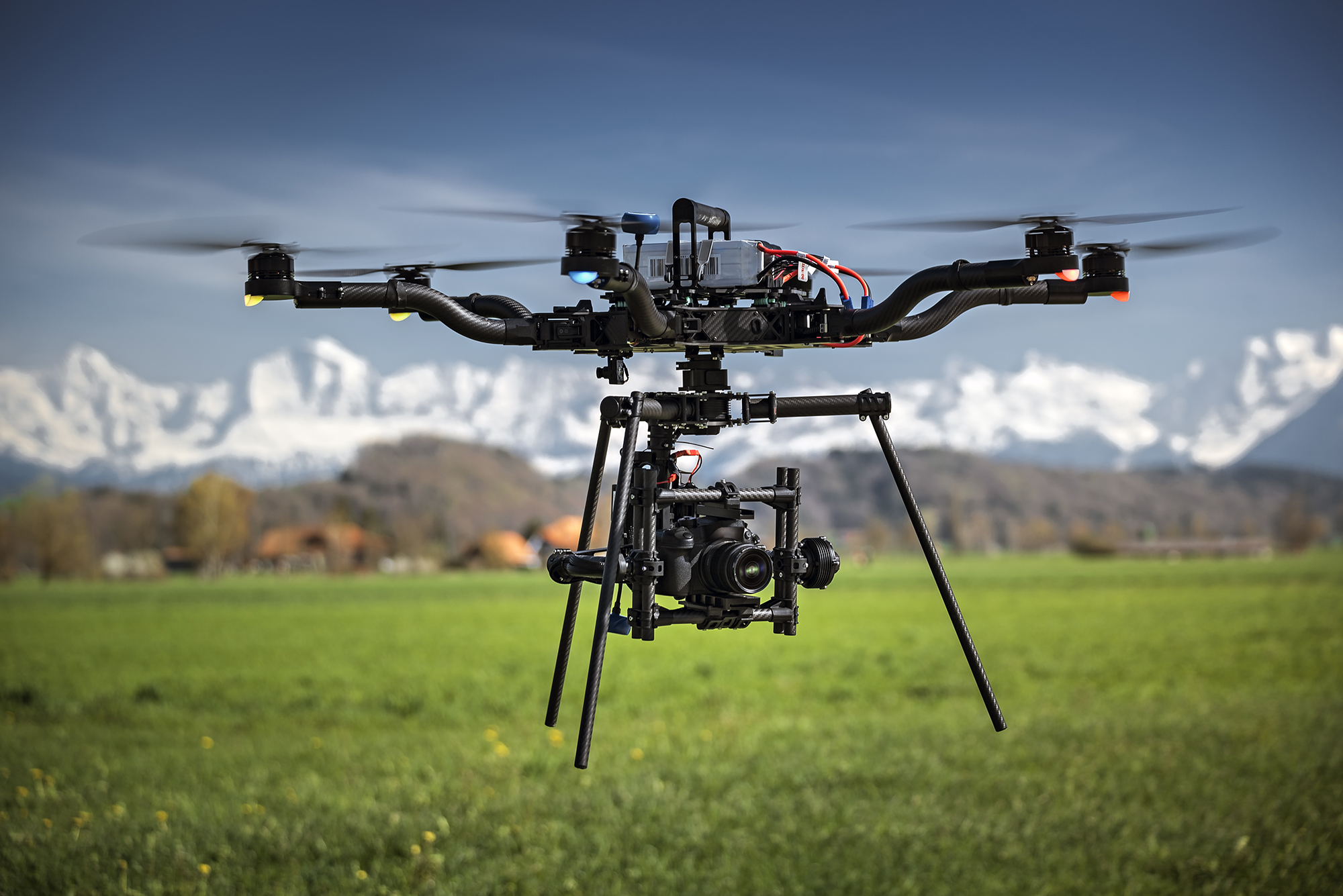
Recent reports of large drones flying over New Jersey have sparked a mix of intrigue and concern. Residents have described sightings of drones the size of small cars flying at night, often in clusters. While law enforcement agencies, including the FBI, work to confirm the nature of these objects and determine whether they are indeed drones or misidentified aircraft, experts suggest large drones are increasingly common and serve various purposes.

The sightings have been concentrated in Morris and Somerset counties, part of the New York metropolitan area. On December 3, the FBI field office in Newark acknowledged that reports from the public and law enforcement had been received for several weeks. Some residents claim to have seen objects exhibiting unusual flight patterns, such as rapid directional changes, that would be difficult for conventional planes to replicate.

Despite the intrigue surrounding the mysterious sightings, the U.S. Coast Guard, which operates under the Department of Homeland Security, also reported encounters with the objects. However, both the Department of Homeland Security and White House officials have clarified that many of the sightings were determined to be “manned aircraft” operating legally. According to John Kirby, a national security spokesperson, there is currently no evidence linking these incidents to national security or public safety threats.

Nonetheless, local officials, including New Jersey Governor Phil Murphy, have expressed frustration over the lack of answers. Murphy has pressed federal authorities for further clarification, especially after residents voiced concerns over the objects’ erratic movements.

While it’s still unclear what these mysterious objects are, experts emphasize that large drones do exist and are increasingly used for commercial, military, and industrial purposes. Ryan Wallace, an associate professor of aeronautical engineering at Embry-Riddle Aeronautical University, explained that drones have a wide range of uses, from agriculture and infrastructure surveying to law enforcement search-and-rescue missions. However, drones larger than 55 pounds require special approval from the Federal Aviation Administration (FAA), and they can cost tens of thousands of dollars.

Though large drones are most commonly used for commercial and military purposes, some have been employed for transportation, such as deliveries, or even surveillance. The military utilizes drones equipped with a variety of sensors for surveillance tasks, including infrared cameras. Experts predict that in the future, even larger drones, such as those capable of transporting people, may enter the skies. However, these will require extensive FAA approvals before becoming widespread.

For now, while the mysterious New Jersey sightings remain unexplained, experts are clear that large drones have a range of potential uses and are becoming an increasingly familiar sight in many sectors.


 

U.S. Court Denies TikTok’s Request to Delay Pending Ban

A U.S. appeals court on Friday rejected TikTok’s emergency motion to temporarily halt enforcement of a law requiring its Chinese parent company, ByteDance, to divest the app by January 19, leaving TikTok with limited options to prevent a potential shutdown in the United States.

TikTok and ByteDance had filed the motion earlier in the week with the U.S. Court of Appeals for the District of Columbia, seeking more time to prepare their case for the Supreme Court. The companies argued that the law would effectively ban TikTok, a platform with over 170 million monthly users in the U.S., and significantly harm free speech.

The appeals court denied the request, noting that TikTok and ByteDance failed to cite precedent for a court enjoining a congressional act while awaiting Supreme Court review. “We find no case in which such action has been taken,” the court said in its unanimous order.

Following the ruling, TikTok announced plans to escalate the matter to the Supreme Court. A TikTok spokesperson emphasized the platform’s role as a critical speech platform and expressed confidence in the Court’s history of upholding free speech protections.

The law in question mandates that ByteDance divest its ownership of TikTok by January 19 or face a U.S. ban on the app. It also empowers the government to prohibit other foreign-owned apps deemed a national security risk due to data collection practices.

The U.S. Justice Department has defended the law, asserting that ByteDance’s control of TikTok poses “a continuing threat to national security.” TikTok disputes this claim, highlighting that U.S. user data and content moderation are managed domestically, with data stored on Oracle-operated cloud servers.

If the Supreme Court does not overturn the ruling, the app’s fate will hinge on decisions by President Joe Biden and his successor, President-elect Donald Trump. Biden must determine whether to grant a 90-day extension to the January 19 deadline, while Trump, who takes office the following day, has historically opposed a TikTok ban. However, Trump recently indicated he would not pursue the ban if elected.

On a related front, members of the U.S. House of Representatives committee on China have urged Alphabet (Google’s parent) and Apple to prepare to remove TikTok from their app stores if the law takes effect on January 19.

US Foreign Investment Panel Deadlocked Over Nippon-U.S. Steel Deal

The U.S. Treasury has informed Japan’s Nippon Steel that the Committee on Foreign Investment in the U.S. (CFIUS) has yet to reach a consensus regarding its proposed $14.9 billion acquisition of U.S. Steel, according to a report by the Financial Times on Sunday.

The Treasury, which leads the CFIUS review process, reportedly sent a letter to both companies on Saturday, indicating that the nine-member panel remains divided on how to address security concerns raised by the deal. The committee is approaching a Dec. 22 deadline to decide whether to approve, block, or extend the review timeline for the acquisition.

CFIUS, which assesses foreign investments for potential national security risks, has expressed reservations about the deal. In September, the panel warned both Nippon Steel and U.S. Steel that the acquisition posed risks to the U.S. steel supply chain, particularly in sectors critical to transportation, construction, and agriculture.

The proposed acquisition has faced significant political pushback. Both President Joe Biden and his successor, Donald Trump, have signaled their opposition to the deal, further complicating its prospects.

While neither U.S. Steel nor CFIUS has commented on the Financial Times report, Nippon Steel declined to provide a statement. The deal’s future remains uncertain, as the CFIUS panel weighs the implications for national security amid ongoing scrutiny of foreign investments in critical industries.