Yazılar

TikTok Canada Challenges Shutdown Order Over National Security Concerns

TikTok’s Canadian division has filed an emergency motion in Federal Court to contest a government order requiring the social media giant to shut down its operations in Canada due to national security concerns. The filing, dated December 5, calls for a judicial review of the order and urges the court to either overturn it or send it back to the government for reconsideration with additional guidance.

The Canadian government issued the shutdown directive following an investigation into TikTok’s plans to expand its business in the country. While the specifics of the national security concerns remain confidential under Canadian law, the order could result in the loss of hundreds of jobs, according to TikTok’s statement.

“We believe it’s in the best interest of Canadians to find a meaningful solution and ensure that a local team remains in place, alongside the TikTok platform,” the company stated in its legal challenge.

The directive does not prohibit Canadians from accessing the app, which currently boasts over 14 million monthly users in the country.


PARALLELS WITH U.S. ACTIONS

The Canadian government’s move mirrors efforts in the United States to limit TikTok’s operations over national security fears. In April, President Joe Biden signed a law requiring ByteDance, TikTok’s parent company, to sell its U.S. assets by January 19, 2025, or face a nationwide ban.

TikTok and ByteDance have since petitioned an appeals court to block the U.S. law temporarily, pending a Supreme Court review.


IMPLICATIONS AND NEXT STEPS

TikTok’s legal battle in Canada highlights the ongoing global scrutiny of the Chinese-owned app. The outcome of the judicial review will have significant implications for the platform’s future in Canada and its ability to operate under stringent foreign investment laws.

The Canadian government has yet to comment on the legal challenge, but the case is expected to draw considerable attention as it unfolds.

Ukrainian-American Group Opposes SpaceX Starlink Expansion Over Musk’s Alleged Russia Ties

SpaceX’s plan to expand its Starlink satellite network with 22,488 additional satellites is facing formal opposition from the Ukrainian Congress Committee of America (UCCA), which has raised concerns about Elon Musk’s connections to Russia and the use of Starlink technology by Russian forces. The UCCA filed a petition with the Federal Communications Commission (FCC) on Wednesday, requesting that the agency block the expansion.

The UCCA’s objections center around Musk’s alleged interactions with Russian President Vladimir Putin and the use of Starlink in military operations. Musk’s decision to prevent Ukraine from launching an attack on Russia’s Black Sea fleet in 2022, by disabling Starlink service over Crimea, has been a major point of contention. The UCCA’s President, Michael Sawkiw, Jr., expressed concern about the potential national security implications, stating that if Starlink is found to have aided Russia, it would be detrimental to Ukrainian-American interests and U.S. national security.

The UCCA also highlighted other issues, including Musk’s potential conflicts of interest arising from his new role with the incoming Trump administration’s Department of Government Efficiency (DOGE). This advisory body could influence regulations and government spending, including decisions related to SpaceX and its contracts. The UCCA argues that Musk’s involvement with DOGE poses a risk of bias and financial conflict, particularly with his companies receiving government contracts while benefiting from FCC actions.

In addition, the UCCA raised environmental concerns related to SpaceX’s rocket launches in Texas. The Boca Chica site, where SpaceX conducts many of its launches, is in a biologically sensitive area, home to endangered species. The group noted that past launches had led to the destruction of bird nests, exacerbating concerns about the environmental impact.

The petition requests that the FCC delay SpaceX’s expansion plans until an environmental review is conducted and any conflicts of interest surrounding Musk are resolved. This move follows earlier comments from the UCCA opposing SpaceX’s previous requests for additional spectrum for Starlink.

While the petition brings attention to Musk’s relationships and SpaceX’s practices, it is not the only controversy surrounding the company. Musk has previously denied claims that Starlink terminals were sold or used by Russian forces, though multiple reports have suggested otherwise. Additionally, Musk’s business dealings and statements continue to draw scrutiny, with calls for investigations into his ties with Russia.


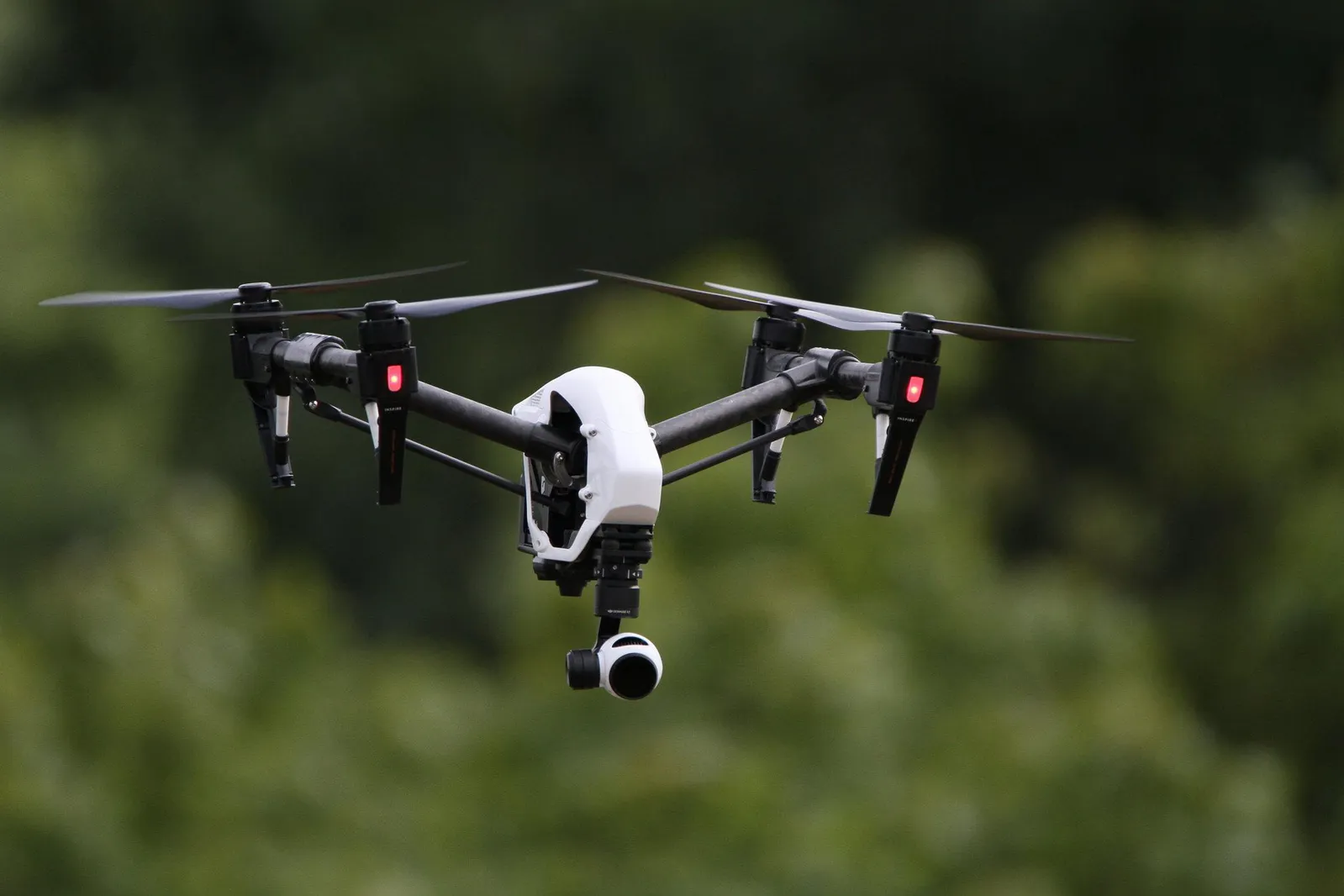
Congress Considers Drone Ban for Chinese Manufacturers DJI and Autel

Under a proposed annual military bill, China-based drone manufacturers DJI and Autel Robotics could face a ban on selling new drones in the U.S. market. The 1,800-page bill, set to be voted on by the U.S. House of Representatives later this week, mandates that a national security agency assess within one year whether drones from these companies pose an unacceptable risk to national security.


Potential Impact on DJI and Autel

If no agency conducts the required study, DJI would automatically be added to the Federal Communications Commission’s “Covered List.” This would prevent DJI from launching new products in the U.S. market, even if the company has not been found guilty of any wrongdoing. DJI expressed concerns that its products were being unfairly targeted, stating that it has voluntarily submitted its drones to regular independent security audits and enhanced privacy features.

Autel Robotics, which also faces scrutiny, has not commented on the situation. Last year, a group of bipartisan lawmakers urged the Biden administration to investigate Autel for potential national security risks.


Past Congressional Actions and Legal Challenges

In September, the U.S. House voted to block new DJI drones from operating in the U.S., and the U.S. Commerce Department is reviewing whether to impose similar restrictions on Chinese drones. DJI has also faced legal battles, including a lawsuit against the Department of Defense after being added to a list of companies allegedly linked to Beijing’s military.

In addition, Customs and Border Protection has been halting some DJI drone imports, citing the Uyghur Forced Labor Prevention Act, a measure DJI denies applying to its operations.


Ongoing Concerns Over Security Risks

U.S. lawmakers have repeatedly voiced concerns that DJI drones could be used for data transmission and surveillance, presenting a national security threat. DJI has denied these accusations, asserting that its drones do not compromise the security of U.S. users.