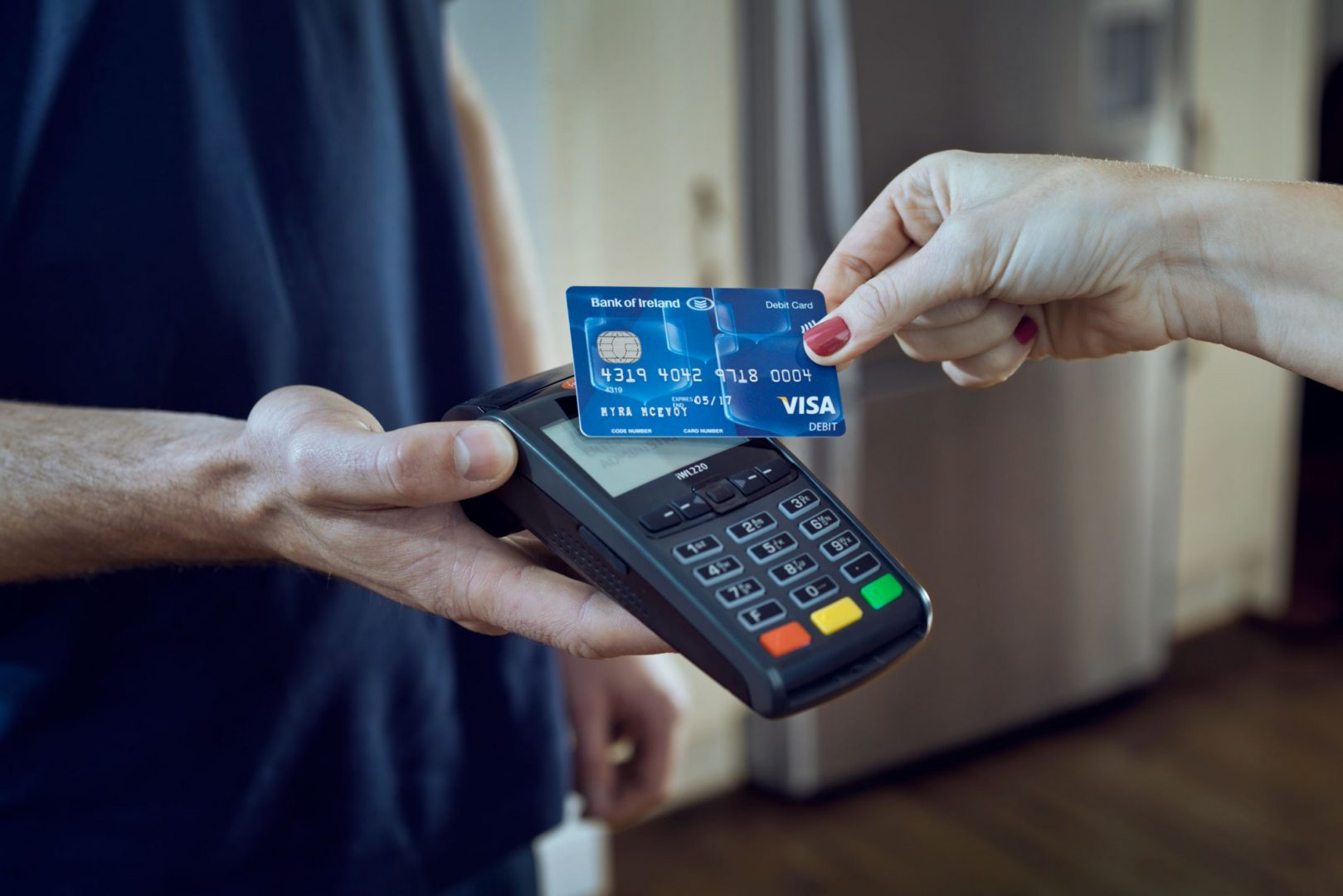
Nordic Countries and Estonia Develop Offline Card Payment Systems Amid Sabotage Fears
Finland, Sweden, Norway, Denmark, and Estonia are jointly developing offline card payment systems to ensure financial continuity in the event of internet disruptions, including potential sabotage of undersea infrastructure, Bank of Finland board member Tuomas Valimaki told Reuters on Wednesday.
The move follows increasing geopolitical tensions, notably Russia’s invasion of Ukraine, and a series of unexplained incidents damaging critical infrastructure in the Baltic Sea region. Western intelligence agencies have blamed Russia for acts of sabotage, which Moscow denies.
“The likelihood of major disruptions has increased,” said Valimaki. “Payments are a potential target because of their critical role in everyday life.”
With 90% of Finns relying on card payments, the region is especially vulnerable to disruptions in international data links—many of which are reliant on U.S. infrastructure like Visa and Mastercard.
What Offline Payments Could Look Like:
Offline payments would allow card terminals to store encrypted transaction data, which could then be processed once connections are restored.
-
Sweden aims to launch its system by July 1, 2026, allowing purchases of essential goods during disruptions lasting up to seven days.
-
Norway and Denmark have already deployed initial offline systems.
-
Estonia is also developing a solution, though its central bank has not provided public details.
The Nordic region’s urgency has been heightened by events such as the Nordea DDoS attacks in 2023, which left customers without access to online banking for weeks.
Valimaki also warned of the dominance of U.S. payment networks, suggesting that even services like Apple Pay and Google Pay rely on the Visa-Mastercard infrastructure, and are therefore subject to geopolitical pressure.
“We cannot rule out that one night someone on Truth Social comes up with using payments as a pressure tactic,” he said, referencing the platform where U.S. President Donald Trump frequently shares his policy views.
To enhance payment sovereignty, Finland is planning to:
-
Launch a national instant payment system within a few years.
-
Enable offline card payments for consumers as early as 2025.
-
Introduce national reserve bank accounts, ensuring Finns can access their funds even if commercial banks go offline.
Meanwhile, the European Central Bank’s proposed digital euro may one day offer pan-European instant payments, but Valimaki cautioned that full implementation is still years away, even with political support.
At a separate event in Helsinki, NATO’s Christian-Marc Lilflander called for finance ministers to play a larger role in national security discussions, especially around financial infrastructure resilience.