Yazılar

Defector Detained After Attempting to Return to North Korea on Stolen Bus

South Korean police have arrested a North Korean defector who attempted to return to North Korea by stealing a bus and crashing it into a barricade on the heavily fortified Unification Bridge, which separates the two Koreas. The incident occurred on Tuesday when the man, in his 30s, disregarded soldiers’ orders to stop and drove the bus into a barrier.

This unusual case stands out, as while approximately 34,000 North Koreans have defected to South Korea since the division of the Korean peninsula over 70 years ago, incidents of defectors trying to return to the North are rare. According to South Korean media, the defector expressed a desire to go back home due to difficulties he faced while living in the South. He had originally left North Korea about a decade ago.

The man reportedly stole the bus from a garage in Paju around 1:00 AM local time on Tuesday and was apprehended just 30 minutes later. Surveillance footage revealed him wearing a hat as he attempted to unlock several vehicles before successfully entering the bus. At the time of the incident, authorities found no evidence that he was under the influence of alcohol or drugs.

Having worked as a day laborer in Paju and other cities, the defector mentioned to police that he had accumulated several unpaid fines, contributing to his decision to return to North Korea. Under South Korean law, crossing the border to North Korea without government permission is prohibited, and defectors are automatically granted citizenship. Offenders face imprisonment of up to ten years if convicted.

While South Korea receives over 1,000 defectors from the North annually, only 31 defectors attempted to return to North Korea between 2012 and 2022, as reported by the South’s Unification Ministry. Many defectors find life in the South challenging and below their expectations; on average, they earn around 2.3 million won ($1,740; £1,300) per month, according to a recent survey from the Korea Hana Foundation. Others may wish to return to see family members left behind.

However, returning to North Korea carries significant risks. Some defectors face imprisonment upon their return, while others undergo harsh re-education processes. For instance, a defector in January 2022 returned to North Korea after a year in the South, citing struggles to make a living as the reason for his return.
 

Iran Transfers Ballistic Missiles to Russia Amid Intensified Conflict

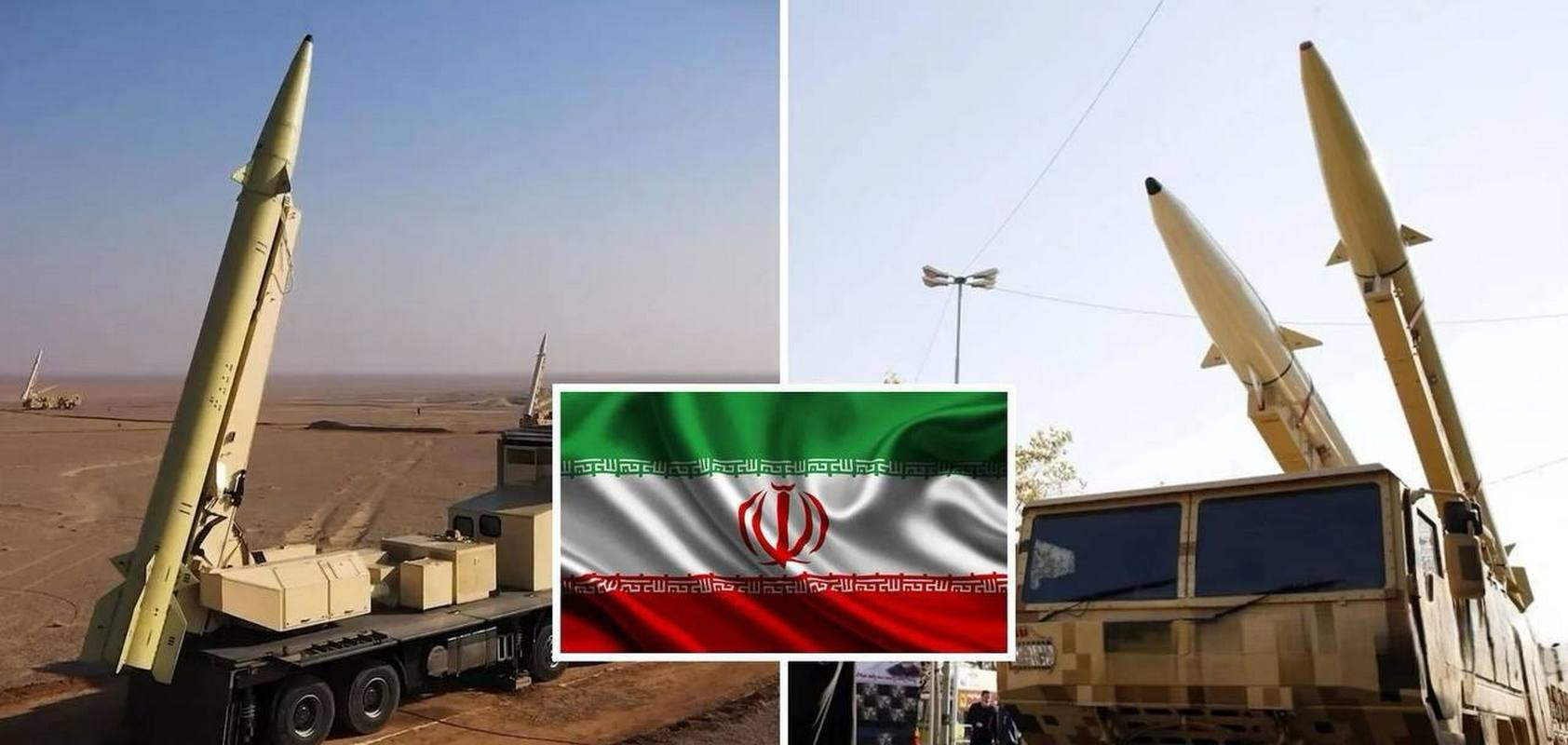
Recent reports indicate that Iran has transferred short-range ballistic missiles to Russia for use in the ongoing war against Ukraine, according to two sources familiar with the intelligence. This delivery, which was anticipated by US and Western officials for nearly a year, marks a significant escalation in Iran’s support for Russia’s military efforts.

The exact timing of the missile delivery remains unclear, but it coincides with a surge in Russia’s missile and drone attacks on Ukrainian cities. As Ukraine prepares for large-scale Russian assaults on its energy infrastructure this winter, Ukrainian President Volodymyr Zelensky has called for more air defense systems from allies.

National Security Council spokesperson Sean Savett condemned the transfer, stating that it represents a dramatic escalation in Iran’s support for Russia. Savett emphasized that the US and its partners are prepared to impose significant consequences, as highlighted in recent G7 and NATO summits.

Iran’s Permanent Mission to the United Nations has denied the transfer, maintaining that Iran opposes any military assistance that exacerbates the conflict and hinders ceasefire negotiations.

Negotiations for the ballistic missiles began as early as September, when Russian Defense Minister Sergei Shoigu visited Iran to inspect ballistic missile systems. In response to warnings from the G7, Iran displayed ballistic missiles to Russian officials in December, indicating their intent to sell the systems.

In addition to Iranian support, Russia has also received missile components from North Korea and significant military aid from China, which includes machine tools, drone and turbojet engines, and technology for cruise missiles.

Camp Humphreys: America’s Mini-Texas on the Korean Peninsula, 60 Miles from North Korea

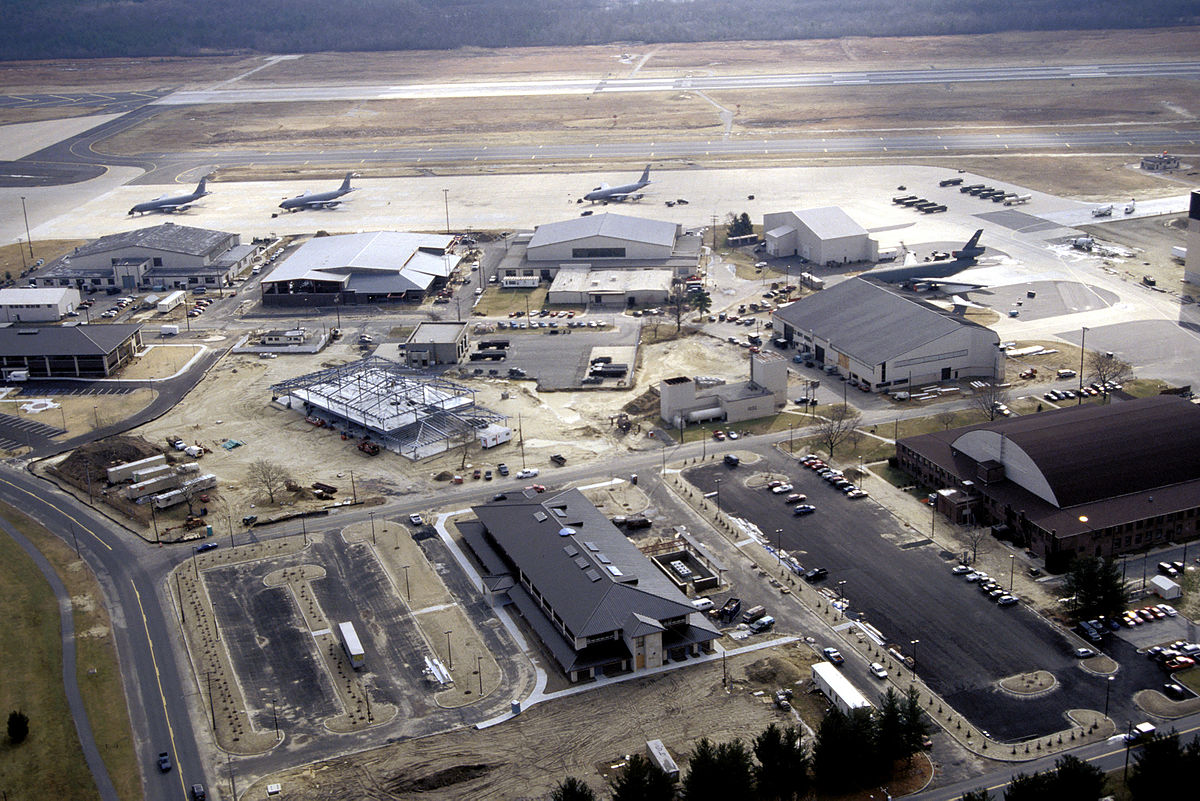
Camp Humphreys, the largest U.S. military base overseas, sits just 60 miles from the North Korean border, yet it feels more like Texas than the Korean Peninsula. This sprawling installation south of Seoul houses 41,000 people and has become the “center of gravity” for the U.S.-South Korea military alliance. With its American-style neighborhoods, barbecue trucks, bowling alleys, and even Krispy Kreme doughnuts, Humphreys provides a taste of home for U.S. military personnel and their families. However, the reality of its strategic importance is never far from mind, especially as tensions with North Korea continue to simmer.

Since the start of Russia’s invasion of Ukraine, Camp Humphreys has grown in prominence, a reflection of North Korea’s expanding nuclear and missile capabilities. The base is the headquarters for U.S. Forces Korea, and home to various key commands, including the Eighth Army and the U.S.-South Korea Combined Forces Command. With its state-of-the-art airfield and military infrastructure, Camp Humphreys stands as a formidable deterrent, but also as a potential target for North Korea.

The constant threat has ingrained a sense of preparedness in the lives of everyone stationed at the base. Families practice evacuation drills, keep emergency “go bags” ready, and maintain cars with enough fuel for a quick retreat. Despite the looming dangers, life goes on with a semblance of normalcy, whether it’s military spouses running home businesses or parents managing the challenges of raising children far from home. For many, like Tyrese “Re” Cook, who juggles life with five young daughters, Humphreys offers “a mini-America” that brings comfort amidst the uncertainty.

The base is more than a military installation; it is a small American town in a foreign land, complete with familiar comforts like Krispy Kreme doughnuts, Wonder Bread, and Popeye’s chicken sandwiches, all baked fresh at the on-site Army Air Force Exchange Service Bakery. Yet, beneath this slice of Americana lies the ever-present reality that Camp Humphreys is one of the most critical—and vulnerable—installations in the U.S. military’s global footprint. Its role in safeguarding both South Korea and U.S. interests in Northeast Asia underscores the delicate balance of power in a region marked by geopolitical tensions.