Yazılar

Connection Challenge Could Hamper France’s AI Hub Ambitions Despite Nuclear Power Advantage

France’s bid to become a global leader in artificial intelligence (AI) is facing potential setbacks due to delays in connecting power-hungry data centres to the national electricity grid. Despite boasting abundant nuclear energy—critical to attracting AI investments—the time it takes to establish the necessary infrastructure could slow down the country’s growth in the sector.

Macron’s Vision and Investments:

In a recent AI summit, French President Emmanuel Macron highlighted the country’s reliance on clean and reliable nuclear power as a key asset for AI development. With over 100 billion euros ($103.26 billion) in AI investment pledges, France is positioning itself as a major player in Europe’s race to catch up with the U.S. The pledge includes a $10 billion supercomputer facility by UK-based Fluidstack, which will require 1 gigawatt (GW) of power—equivalent to the output of one of France’s smaller nuclear reactors.

Brookfield, a global asset manager, also committed to spending 20 billion euros to develop AI infrastructure, including data centres. With 57 nuclear reactors, France produces over two-thirds of its electricity from nuclear power, and last year, it exported a record amount of energy, mostly to Italy.

Grid Connection Bottleneck:

The challenge lies not in generating the electricity but in connecting it to the data centres. France’s energy grid, though robust, may struggle to keep up with the surge in demand that AI data centres will bring. Experts warn that, while building data centres can be completed in under a year, constructing the necessary transmission lines to supply them with power could take up to five years.

Fatih Birol, executive director of the International Energy Agency, highlighted the issue at the AI summit, noting that countries with sustainable and affordable electricity supplies have a competitive edge. However, the slow pace of building the required transmission infrastructure presents a bottleneck for France’s ambitious plans.

Efforts to Expedite Construction:

Construction and permitting procedures in Europe are notably slower than in the U.S., as Anj Midha, a general partner at Andreessen Horowitz, pointed out. In response, state-owned utility EDF has identified four sites for data centres on its land, with existing grid connections and 2 GW of power already available. These sites are expected to reduce project timelines by several years, but challenges remain.

EDF is also in talks with companies to power additional 1 GW data centre projects, though the completion of these sites may still be delayed by the need for public consultation and the high costs associated with constructing new high-voltage power lines.

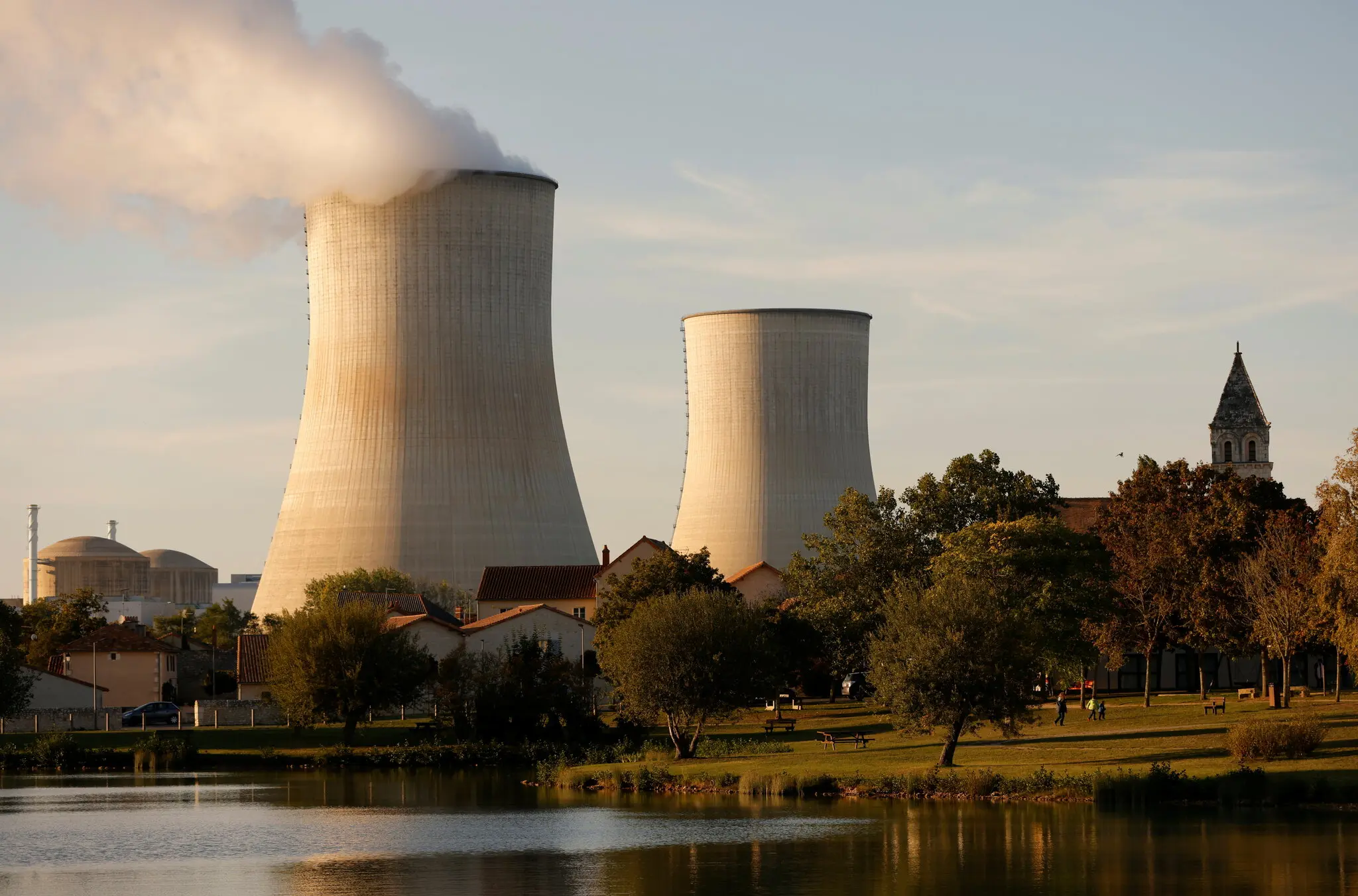
France’s EDF Identifies Land for Data Centers to Boost AI Infrastructure

France’s state-owned utility, EDF, announced on Monday that it has identified four sites on its land for the development of data centers. This move is part of EDF’s strategy to expedite investments in power-hungry digital infrastructure, particularly as the country hosts a summit on artificial intelligence (AI) with political and business leaders discussing the emerging technology.

As a leading producer of nuclear energy, EDF is positioning nuclear power as a clean and reliable energy source for these data centers. The four identified sites are strategically located with available grid connections, offering a combined total power capacity of 2 gigawatts (GW). EDF is also in the process of searching for two additional sites to meet growing demand.

EDF’s initiative includes providing personalized support to digital companies wishing to develop data center projects, guiding them through the necessary steps to complete their projects. Last year, EDF executives revealed that the utility was in discussions with three companies about powering 1 GW data center projects in France. However, there were concerns that grid connections could delay the launch of some projects.

Why Tech Giants Are Turning to Nuclear Power to Meet Energy Demands

The tech industry’s growing appetite for energy, driven by artificial intelligence (AI) and cloud computing, is pushing global electricity demands to unprecedented levels. According to the U.S. Department of Energy, global electricity usage could increase by up to 75% by 2050, with tech companies’ AI ambitions serving as a significant factor.

Data centers supporting AI and cloud computing are becoming massive energy consumers, rivaling the electricity demands of entire cities. For instance, Mark Nelson, managing director of Radiant Energy Group, explained, “A new data center that needs the same amount of electricity as, say, Chicago, cannot just build its way out of the problem unless they understand their power needs—steady, 100% power, 24/7, 365 days a year.”

To address these growing demands while staying committed to sustainability goals, tech giants like Google, Amazon, Microsoft, and Meta are increasingly investing in nuclear power. Nuclear energy offers a scalable, carbon-free, and always-on solution that complements intermittent renewable sources like wind and solar.

Michael Terrell, Google’s senior director of energy and climate, emphasized the advantages of nuclear energy: “It’s a carbon-free source of electricity. It’s a source of electricity that can be always on and run all the time. And it provides tremendous economic impact.”

For years, nuclear energy faced setbacks due to safety concerns, fears of meltdowns, and widespread misinformation. However, the energy landscape is shifting. Experts believe that tech companies’ investments could spark a “nuclear revival,” providing a sustainable energy pathway for both the tech industry and broader society.

As AI and data-driven technologies continue to expand, nuclear power may become an integral part of the energy transformation necessary to meet the rising demands of the digital era.