
Yazılar

Meta Launches “Meta Compute” to Scale AI Infrastructure and Power Superintelligence Push

Meta has unveiled a new initiative called Meta Compute, aimed at building large-scale artificial intelligence infrastructure and managing the company’s global network of data centres and supplier partnerships as it pursues what it calls superintelligence.

Chief Executive Mark Zuckerberg said the initiative will be co-led by Santosh Janardhan, Meta’s head of global infrastructure, and Daniel Gross. Janardhan will continue overseeing Meta’s technical foundations and data centre operations, while Gross will head a newly created group responsible for strategic capacity planning and business partnerships.

Both executives will work closely with Dina Powell McCormick, who recently joined Meta’s leadership team, Zuckerberg said in a post on Threads.

Meta Compute sits at the core of Meta’s aggressive push into frontier AI and so-called personal superintelligence—a theoretical stage where machines surpass human cognitive abilities. Zuckerberg said the company is investing heavily in data centres and the energy systems required to run them, noting that Meta plans to build “tens of gigawatts” of capacity this decade and potentially “hundreds of gigawatts or more” over the longer term.

Inside the world's most powerful AI datacenter - The Official ...

Such computing ambitions would consume electricity on the scale of small cities or even countries, raising concerns about pressure on resources such as power and water. The move comes as Meta seeks to regain momentum in the competitive AI race following a lukewarm response to its Llama 4 model. The company has committed up to $72 billion in capital expenditure in 2025 alone.

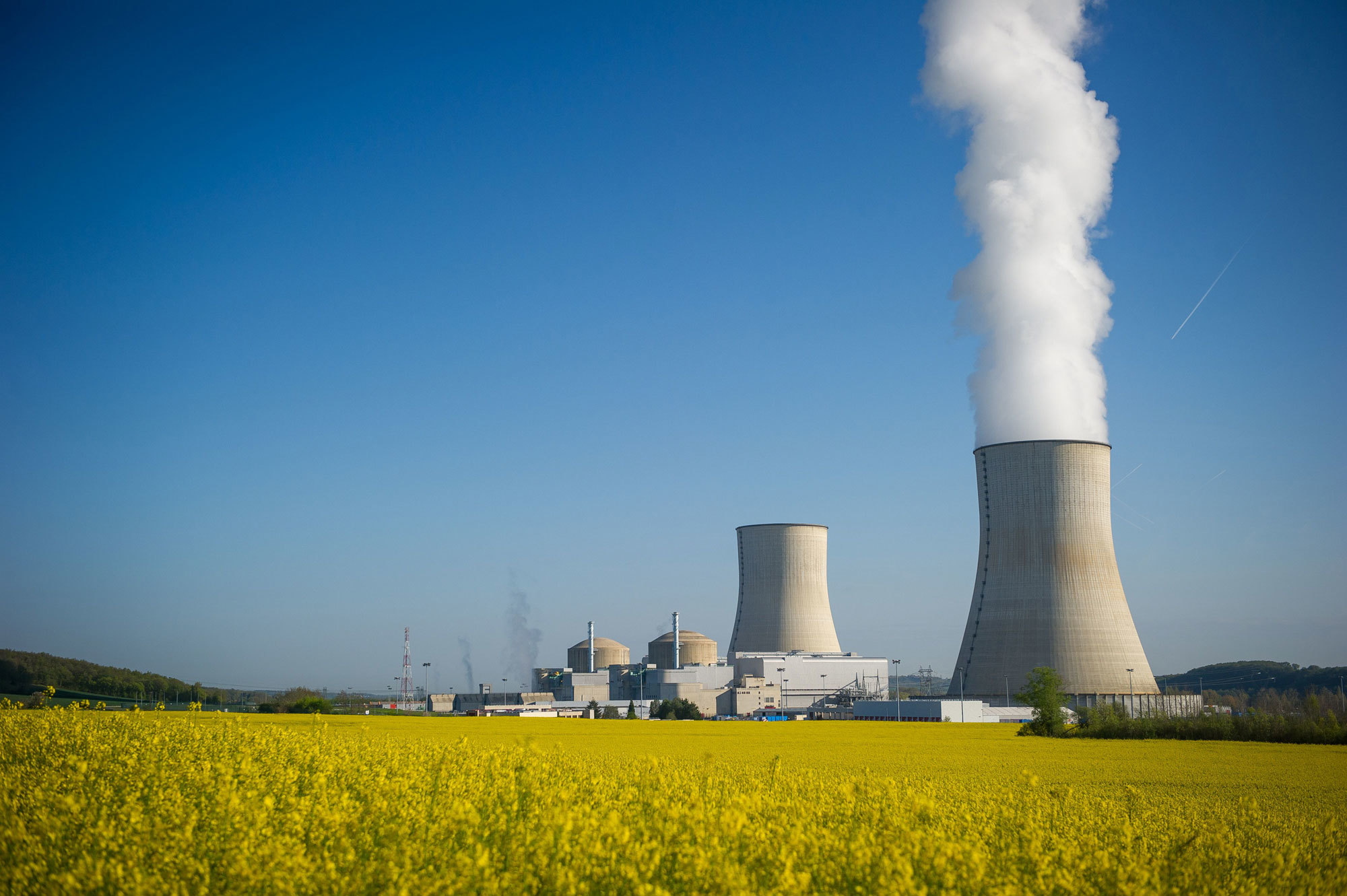
Across the tech sector, rising AI workloads are driving a surge in U.S. power demand for the first time in two decades. To secure long-term energy supplies, Meta has signed 20-year agreements to purchase electricity from nuclear plants operated by Vistra and has partnered with two companies developing small modular nuclear reactors.

Talen Energy and Amazon Partner on Nuclear Power Deal to Fuel AWS Data Centers

U.S. utility Talen Energy announced an expanded partnership with Amazon to supply up to 1,920 megawatts of carbon-free electricity from its Susquehanna nuclear plant in Pennsylvania to Amazon Web Services (AWS) data centers. The long-term agreement, lasting until 2042, provides Talen with a stable revenue stream while supporting Amazon’s growing energy needs for AI and cloud operations.

Both companies are also exploring the construction of new Small Modular Reactors within Talen’s Pennsylvania footprint and considering expanding the existing nuclear plant’s capacity. This deal comes amid rising U.S. electricity demand for data centers and AI workloads—the first increase in two decades—pushing Big Tech firms to secure reliable and sustainable power sources.

Earlier this month, Constellation Energy reached a similar deal with Meta Platforms to keep an Illinois nuclear reactor operational for 20 more years.

Following the announcement, Talen Energy shares rose nearly 8% in premarket trading.

Kevin Miller, AWS vice president of global data centers, highlighted the investment’s local economic impact, calling it the largest private sector investment in Pennsylvania’s history with $20 billion committed and 1,250 high-skilled jobs created. Miller also emphasized AWS’s commitment to powering its infrastructure with carbon-free energy through this collaboration.

Constellation Shifts Focus to Grid-Connected AI Data Center Projects Amid Regulatory Scrutiny

Constellation Energy is shifting its strategy for supplying power to AI-driven data centers, now prioritizing grid-connected projects over previously favored direct (co-located) connections to its nuclear power plants, the company said Tuesday.

This pivot comes in response to growing regulatory pressure and industry concerns about the potential grid reliability issues and rising consumer energy costs linked to large-scale co-located data center developments.

On-grid sales are increasingly attractive to us and to our customers,” said Constellation CEO Joseph Dominguez during a call with investors. However, he added that behind-the-meter configurations”where data centers are directly connected to power plants—may still be viable in certain cases.

Constellation, the largest operator of nuclear plants in the U.S., had previously proposed co-located data center developments at several of its reactor sites. But the approach came under scrutiny from the Federal Energy Regulatory Commission (FERC), particularly after a proposed expansion of an Amazon data center at a Talen Energy nuclear facility faced regulatory rejection.

FERC is currently evaluating new rules regarding such off-grid, single-customer arrangements to better manage power flow and protect ratepayer interests.

As the demand for electricity to power AI infrastructure skyrockets, utility firms like Constellation are adapting to meet needs while staying aligned with evolving regulatory frameworks and grid integrity standards.