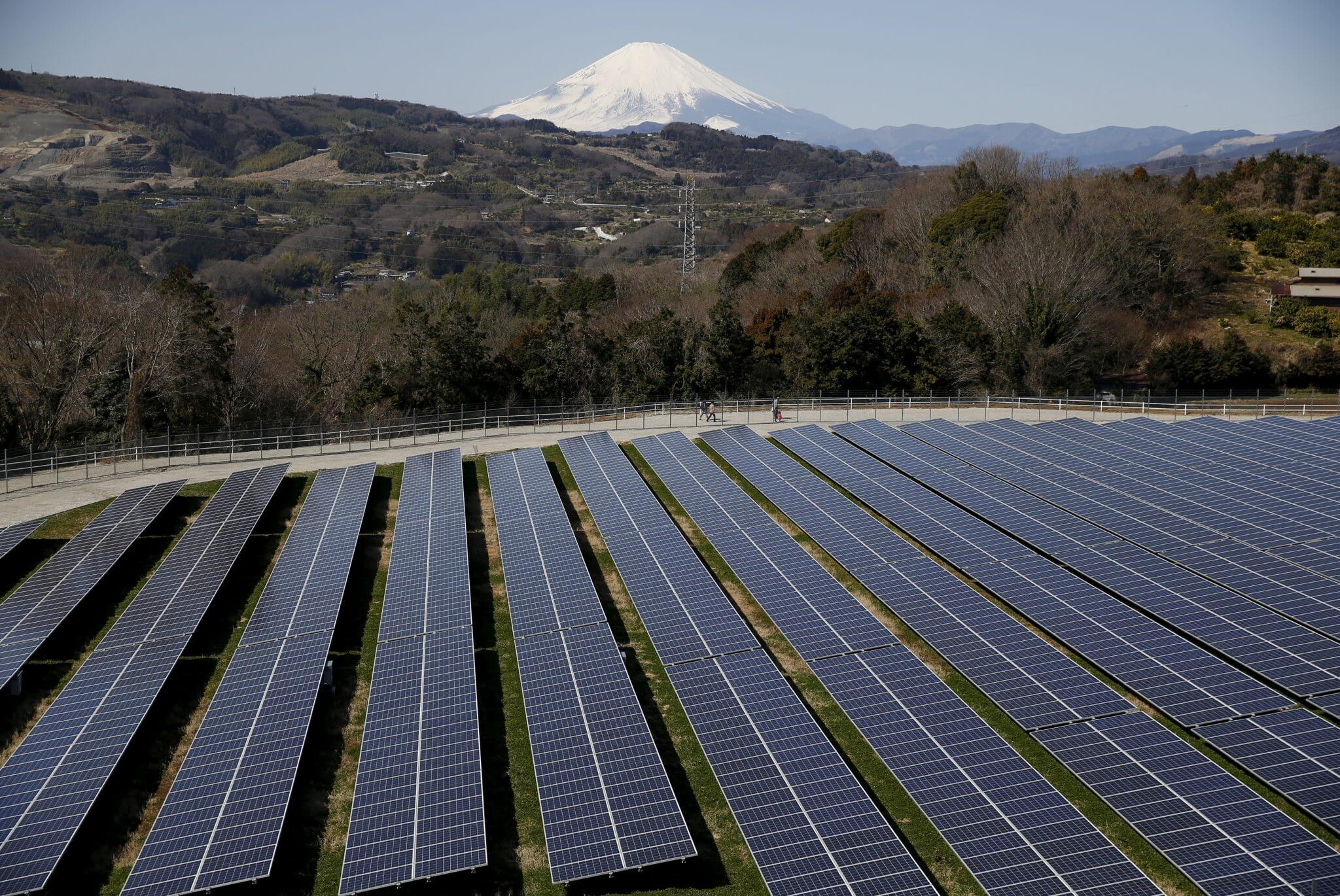
Japan Targets 40-50% Renewable Energy by 2040 Amid Energy Security Focus
Japan aims for renewable energy to supply 40-50% of its electricity by fiscal year 2040, alongside 20% from nuclear power, according to a draft revision of its basic energy policy unveiled on Tuesday. This marks a significant clean energy push while also addressing energy security concerns amid rising power demand and geopolitical instability.
Renewable Energy Targets and Current Context
The proposed targets aim to nearly double renewables’ share from 22.9% in 2023 and exceed the existing 2030 goal of 36-38%. Thermal power generation, particularly from inefficient coal-fired plants, will decline to 30-40% of the energy mix, down from 68.6% in 2023. However, the draft lacks specific breakdowns for coal, gas, and oil.
Critics have raised concerns about the plan’s shortcomings.
- Mika Ohbayashi, Director of the Renewable Energy Institute, criticized the low target for wind power (only 4-8%) compared to the 20% target for nuclear power, arguing Japan risks falling behind global wind energy developments.
- Advocates also highlighted the absence of a clear coal phase-out roadmap.
Focus on Energy Security and LNG
While the policy prioritizes decarbonization, it also emphasizes energy security in light of geopolitical tensions like the Russia-Ukraine war. The draft underscores liquefied natural gas (LNG) as a transitional energy source, recommending government and private sector collaboration to secure long-term LNG contracts to mitigate price volatility and supply risks.
Nuclear Power Resurgence
The plan reinforces nuclear power’s role, maintaining a 20-22% target for 2040, consistent with 2030 goals. This signals a strategic shift, removing the previous aim of “reducing reliance on nuclear power as much as possible.” Nuclear energy’s resurgence follows years of challenges post-2011 Fukushima disaster; it contributed only 8.5% of Japan’s power supply in 2023.
Japan’s strategy now includes constructing next-generation reactors at sites where aging reactors are set to be decommissioned. Analysts believe this change reflects the government’s push for affordable and stable energy to meet growing 24/7 power demands, particularly from semiconductor factories and data centers.
“The government has finally realized that nuclear power can provide stable energy for data centers, which require uninterrupted 24/7 electricity,” said Naomi Oshita, a power market expert at Wood Mackenzie.
Demand Growth and Greenhouse Gas Targets
The forecasts assume a 12-22% rise in electricity demand by 2040, driven by industrial sectors like semiconductor manufacturing. While hydrogen and ammonia were previously targeted for 1% of the energy mix by 2030, the new draft omits specific goals for these fuels.
Japan’s updated energy plan aligns with its broader climate targets. A joint strategy from the industry and environment ministries calls for a 60% cut in greenhouse gas emissions by 2035 and a 73% cut by 2040, aiming for net-zero emissions by 2050. The finalized strategy will be submitted to the United Nations in February.
Outlook
The draft policy reflects Japan’s realistic approach to balancing renewable energy growth, nuclear power revival, and energy security. While some critics argue the plan falls short in wind power and coal reduction, analysts view the policy as a step to attract investments in renewables, storage batteries, and LNG as a transition fuel.
The final energy plan is expected to be approved by the cabinet early next year.