Bollywood Stars Sue Google Over AI Deepfakes, Seek Protection for “Personality Rights
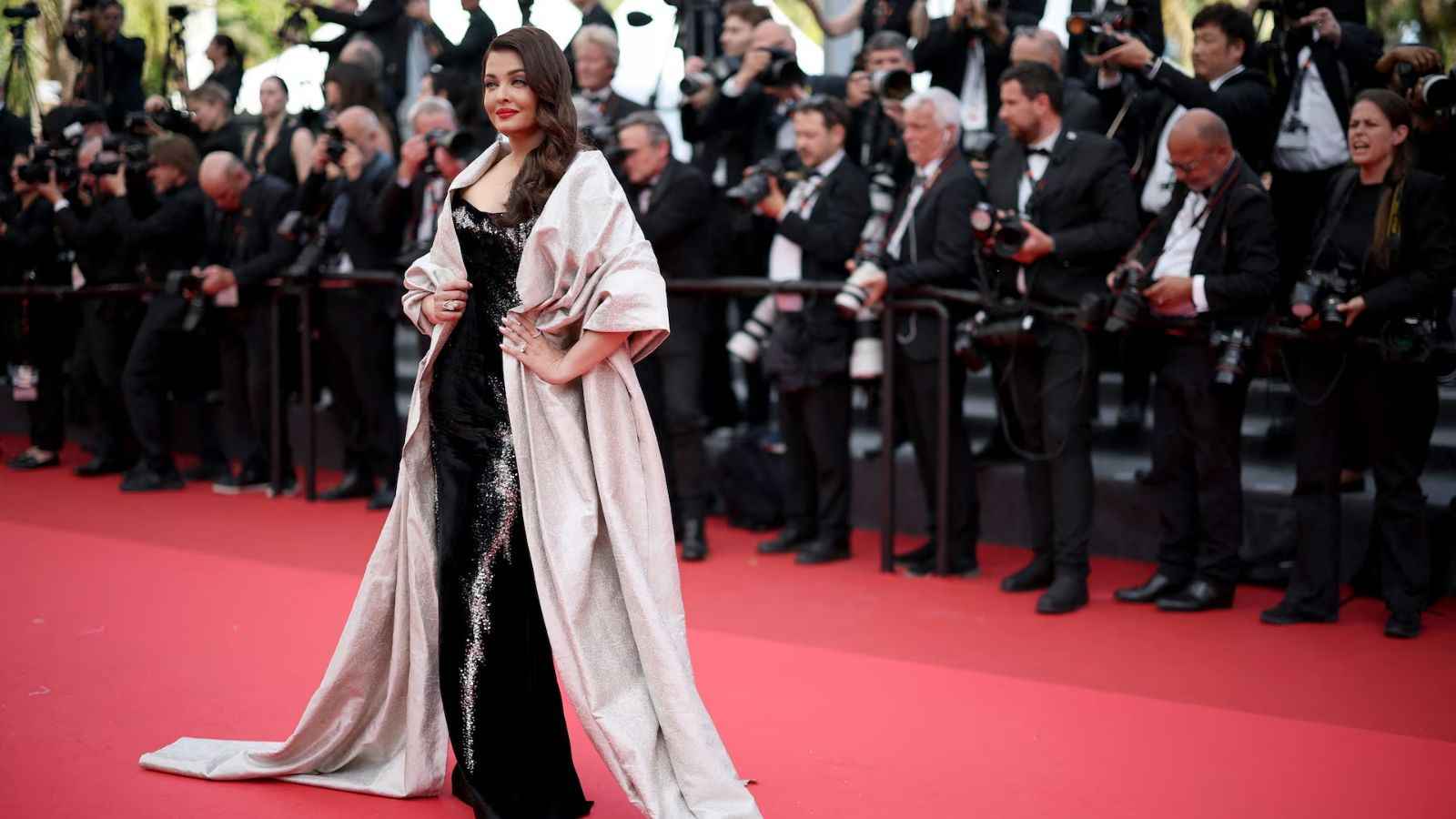
India’s most famous celebrity couple, Abhishek Bachchan and Aishwarya Rai Bachchan, have taken legal action against Google’s YouTube, demanding stronger protections for their voice, image, and likeness in the age of artificial intelligence.
The Bachchans filed lawsuits in the Delhi High Court seeking removal of AI-generated videos that use their likeness without consent and asking the court to require Google to implement safeguards to prevent such YouTube videos from being used to train other AI platforms.
The filings, reviewed by Reuters, argue that YouTube’s data and AI-sharing policies allow creators to consent to third-party use of uploaded content for AI training, which could cause widespread replication of infringing or misleading material.
“Such content being used to train AI models has the potential to multiply the instances of use of any infringing content,” the filings stated.
INDIA’S ‘PERSONALITY RIGHTS’ GAP
India has no explicit law protecting personality rights — the legal ownership of one’s image, name, and voice — unlike the United States. But Bollywood stars have increasingly turned to courts for relief as AI-generated deepfakes spread across social media.
In 2023, a Delhi court barred the unauthorized use of actor Anil Kapoor’s voice, image, and catchphrases. The Bachchans’ case, however, marks the most high-profile clash yet between Bollywood and big tech over AI exploitation.
The lawsuits accuse YouTube of hosting “egregious,” “sexually explicit,” and “fictitious” AI videos depicting the couple in fabricated scenarios — such as Abhishek kissing another actress, or Aishwarya dining with ex-boyfriend Salman Khan while Abhishek fumes nearby.
The court has already ordered the removal of 518 infringing links and posts, ruling that they harmed the couple’s reputation and caused financial damage. Yet similar videos remain visible on YouTube, Reuters found.
GOOGLE UNDER PRESSURE
The Bachchans are seeking $450,000 in damages and a permanent injunction against further misuse. Their legal team argues that YouTube’s data-sharing policy, which lets users opt to share videos for AI training with firms like OpenAI, Meta, or xAI, enables the spread of harmful deepfakes.
Legal experts say the couple’s case will test how far Indian courts are willing to hold tech platforms accountable.
“It wouldn’t be beyond the pale for the court to nudge YouTube to revise its user policies or create a fast-track system for celebrity complaints,” said Eashan Ghosh, an intellectual property professor at National Law University Delhi.
AI AND BOLLYWOOD COLLIDE
YouTube’s AI ecosystem in India is massive — the company says it has paid $2.4 billion to Indian creators in the last three years, and its 600 million users make it YouTube’s largest market. Some creators now profit by posting AI-generated Bollywood content.
A YouTube channel called “AI Bollywood Ishq” has posted 259 videos with 16.5 million views, showing AI-generated “love stories” starring Bollywood lookalikes. One popular video features Aishwarya Rai and Salman Khan in a swimming pool; another shows Abhishek Bachchan fighting Khan.
The channel claims to use Grok AI and Chinese startup MiniMax’s Hailuo AI to generate videos from simple text prompts. Its page states:
“Content is made only for entertainment and creative storytelling.”
The Delhi High Court has ordered Google to submit written responses before the next hearing on January 15, 2026.