
Yazılar

Microsoft Adds Anthropic AI Models to 365 Copilot, Expanding Beyond OpenAI

Microsoft announced on Wednesday that it is integrating Anthropic’s AI models into its Copilot assistant, marking a strategic move to diversify beyond its close partnership with OpenAI, the maker of ChatGPT.

While OpenAI’s models will continue to power Copilot by default, users will now be able to choose Anthropic’s Claude Sonnet 4 and Claude Opus 4.1 for tasks within Copilot’s “Researcher” tool and when building custom agents in Microsoft Copilot Studio.

Starting this week, users who opt in to test Claude will be able to switch seamlessly between OpenAI and Anthropic models in Researcher, said Charles Lamanna, president of Microsoft’s business and industry Copilot division.

The shift underscores Microsoft’s effort to broaden the foundation of its AI services. Until now, Copilot’s advanced features across apps such as Word and Outlook have relied primarily on OpenAI.

Although Microsoft is OpenAI’s largest investor, the company has also been developing its own models and integrating those from other AI firms. Earlier this year, it announced plans to offer models from Elon Musk’s xAI and Meta Platforms, all hosted within its data centers. Models from China’s DeepSeek have also been added to Microsoft’s Azure cloud platform.

Anthropic’s Claude models, however, are primarily hosted on Amazon Web Services (AWS), a direct competitor to Microsoft Azure, highlighting a rare cross-cloud collaboration.
Oracle Seeks to Raise $18 Billion in Debt to Fund AI Cloud Push

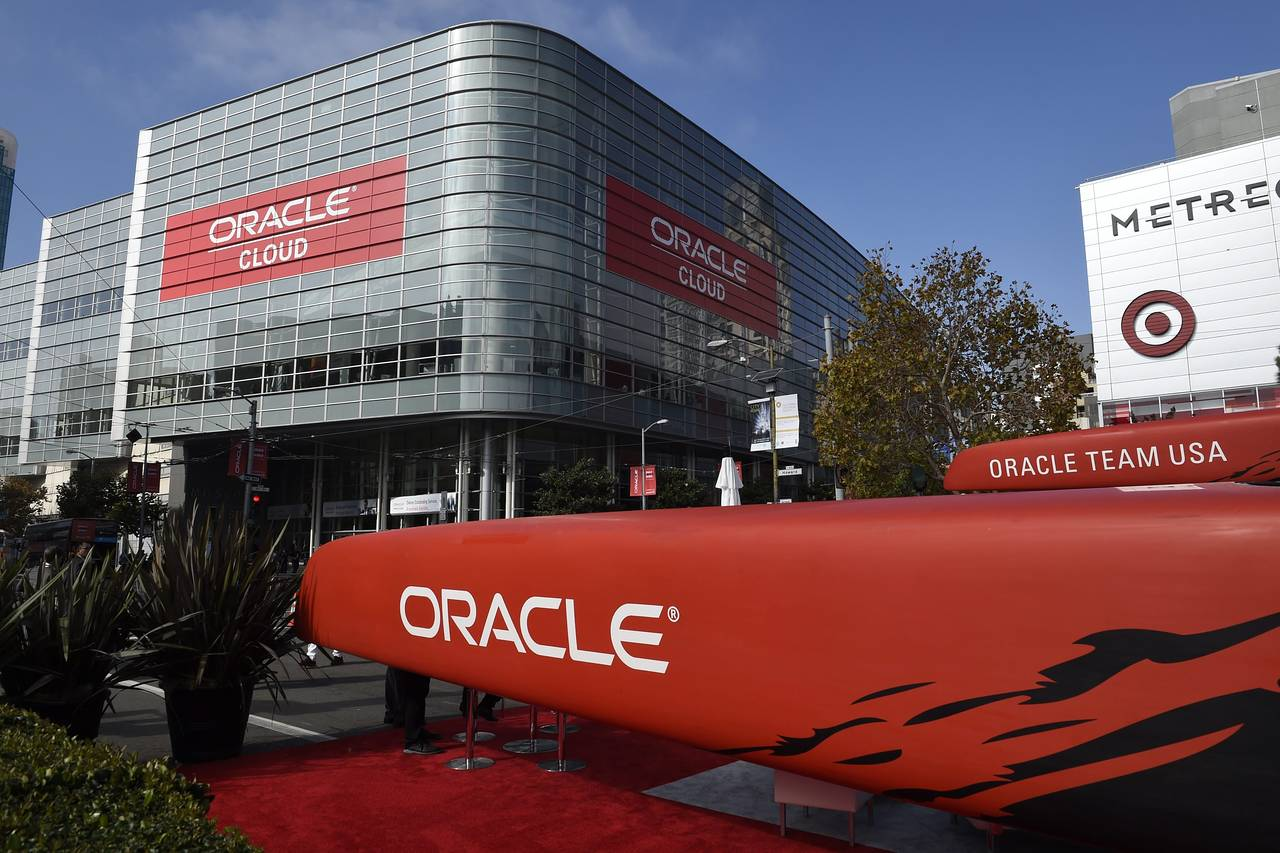
Oracle is planning to raise $18 billion in debt, according to a regulatory filing on Wednesday, as it accelerates investment in cloud infrastructure to meet soaring demand from artificial intelligence clients.

The enterprise software and cloud services giant has been expanding its capital spending to deliver on major contracts, including agreements with OpenAI, which are expected to drive significant growth in its cloud business.

According to a pricing term sheet filed with the U.S. Securities and Exchange Commission, Oracle will sell the debt in six tranches.

In a separate filing, the company said proceeds could be used for general corporate purposes, including stock buybacks, debt repayment, or acquisitions, in addition to infrastructure investment.

The debt sale highlights how rising AI adoption is reshaping the priorities of major tech firms, with Oracle joining a growing list of companies tapping capital markets to finance the costly buildout of hyperscale data centers.

OpenAI Expands Stargate Scope, Eyes Debt Financing to Secure Chips

OpenAI is broadening the scope of its massive Stargate infrastructure project, originally unveiled at the White House earlier this year as a $500 billion initiative with partners including SoftBank and Oracle. Executives now say Stargate encompasses nearly all of OpenAI’s work involving data centers and AI chips, stretching beyond the original plan.

Initially conceived as a new entity for mega-scale AI infrastructure, Stargate has since expanded to cover projects predating its January announcement. OpenAI argues that only massive computing systems like Stargate can power the next phase of the AI revolution.

To finance its chip needs, the company plans to adopt creative strategies including debt financing and chip leasing, estimating savings of 10–15% by renting instead of buying GPUs outright. A newly announced partnership with Nvidia—worth up to $100 billion—will provide $10 billion in upfront cash and long-term backing for data center expansion.

CEO Sam Altman, who has long argued that data centers are the lifeblood of AI, said his goal is to reach the point of building “a gigawatt of new AI infrastructure every week.” Speaking at a briefing in Abilene, Texas—home to Stargate’s flagship site—he acknowledged investor concerns about a potential bubble but insisted long-term growth justifies the scale.

The Abilene facility, under construction by Oracle and Crusoe, spans more than 1,100 acres and employs thousands. The site is said to contain fiber optic cable long enough to stretch from Earth to the Moon and back.

Stargate’s rollout has faced delays due to partner negotiations and site selection challenges, according to SoftBank executives. Still, OpenAI, Oracle, and SoftBank this week announced five new U.S. data centers, bringing Stargate’s active projects to nearly 7 gigawatts of the 10 gigawatts originally targeted.

Executives said Microsoft, OpenAI’s longtime sponsor, will not be included in certain Stargate projects, following negotiations to allow OpenAI to partner more broadly.

The company stressed the urgency: demand for ChatGPT and related tools has already forced OpenAI to delay international product launches due to insufficient compute.

Industry experts note that financing remains a major hurdle. Of the roughly $50 billion cost for a new hyperscale data center, about $15 billion covers land and buildings—while the rest goes toward GPUs, which are both costly and in short supply. Following Meta’s example, which secured $29 billion from outside financiers for a Louisiana data center, OpenAI is expected to rely heavily on debt markets to fund its future sites, with Nvidia’s equity stake boosting lender confidence.

Despite bottlenecks in GPU supply chains, Altman maintains that rapid infrastructure buildouts are essential: “We cannot fall behind in the need to put the infrastructure together to make this revolution happen.”