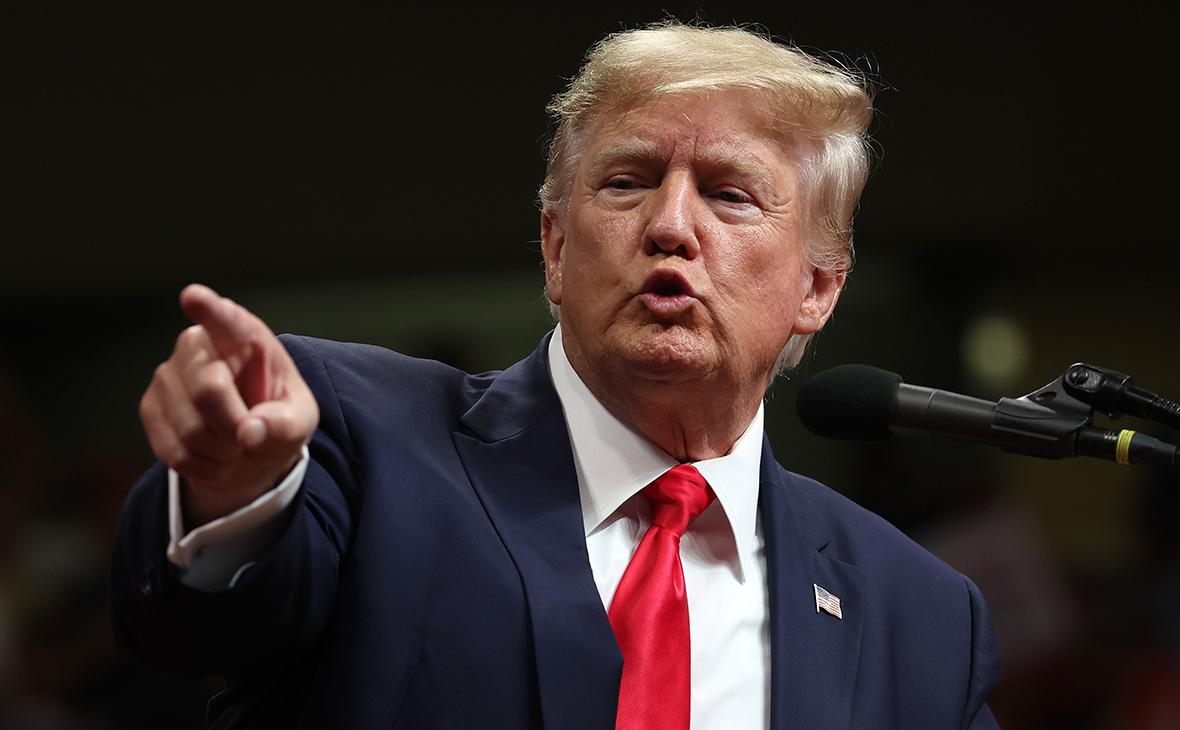
When President-elect Donald Trump announced his picks for top health leadership roles, including Dr. Janette Nesheiwat for U.S. surgeon general, Dr. David Weldon for CDC director, and Dr. Marty Makary for FDA commissioner, reactions among public health experts were mixed. These leaders face scrutiny not just for their qualifications, but for how they’ll handle the inevitable conflict between political pressure and scientific integrity.
Reactions to the Appointments
Experts generally expressed approval of Nesheiwat and Makary, but many voiced concerns about Weldon, particularly due to his controversial past views on vaccine safety. As public health agencies like the CDC and FDA are crucial in shaping health policy, the independence of these leaders will be closely watched. A central issue is whether they will maintain a commitment to evidence-based science, despite political pressures, especially with figures like Robert F. Kennedy Jr. – an outspoken anti-vaccine advocate – leading the Department of Health and Human Services (HHS).
Challenges in Maintaining Scientific Integrity
Public health experts emphasized the difficulty these appointees will face in resisting external political influences. Brown University’s Dr. Ashish Jha warned that it could be “very hard to defy your boss,” referencing the challenges faced by the CDC and FDA leaders if they are pressured by someone with anti-science views like Kennedy.
Nesheiwat and Makary are seen as open-minded physicians, but experts fear that Weldon’s history of questioning vaccine safety could have a damaging influence on his leadership at the CDC. Dr. Jerome Adams, former surgeon general under Trump, raised concerns about Weldon’s previous efforts to separate vaccine safety from CDC oversight, calling it a “disastrous” move for public health if promoted again.
Vaccine Policy as a Key Issue
Vaccination policy, especially in light of the COVID-19 pandemic, remains one of the most pressing issues for U.S. health agencies. Experts like Dr. Peter Hotez of Texas Children’s Hospital and Dr. Jennifer Nuzzo of Brown University underscored that a health leader’s stance on vaccines is a crucial indicator of their ability to make scientifically sound decisions. For example, Weldon’s past support for anti-vaccine measures raises concerns that his leadership could lead to reduced vaccination rates, with severe consequences such as measles outbreaks.
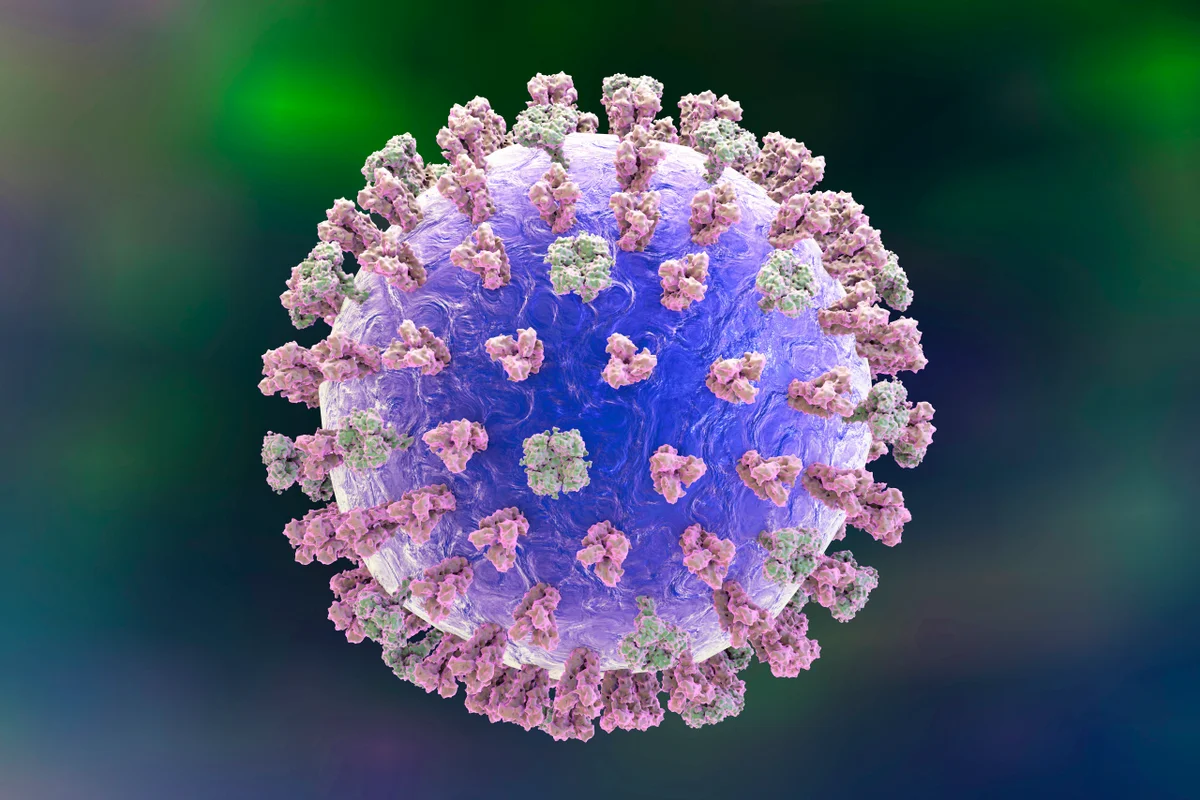
Dr. Paul Offit, a leading vaccine expert, warned that the possible return of measles, a disease previously eradicated due to widespread vaccination, could be a direct consequence of appointing leaders who subscribe to or enable vaccine misinformation.
Public Health and Political Influence
While the CDC and FDA are typically independent of political influence, many experts worry that under Kennedy’s leadership at HHS, there will be unprecedented interference. This raises questions about whether these agencies will be able to focus on public health science rather than political considerations. Dr. Hotez remarked that ensuring science-driven policy remains at the forefront is vital to avoid unnecessary public health crises.
In response to concerns about Weldon’s views on vaccines, experts like Dr. Amesh Adalja from the Johns Hopkins Center for Health Security emphasized the dangers of elevating individuals with a history of promoting vaccine misinformation. If confirmed, experts fear that this could lead to the dismantling of trusted vaccine programs, reversing progress made in public health.
Uncertain Future for Makary and Nesheiwat
Makary and Nesheiwat remain somewhat enigmatic figures in the public health arena. While they have demonstrated solid medical knowledge, the concerns revolve around their ability to navigate the political environment, particularly in relation to vaccine policy. Experts like Dr. Offit hope that Makary will take a firm stance against the anti-vaccine rhetoric of figures like Kennedy, but his previous hesitations regarding vaccine-related issues leave some uncertainty.
Conclusion
The upcoming Senate confirmations for these key health roles will be crucial in determining whether politics or science will take precedence in U.S. public health policy. As experts express concern over the influence of political figures like Robert F. Kennedy Jr., the broader public health community is watching closely to see whether Trump’s nominees will maintain their independence or succumb to political pressures.