Yazılar

Nigeria Launches Delayed Mpox Vaccination Programme

Targeted Vaccination Begins in Abuja

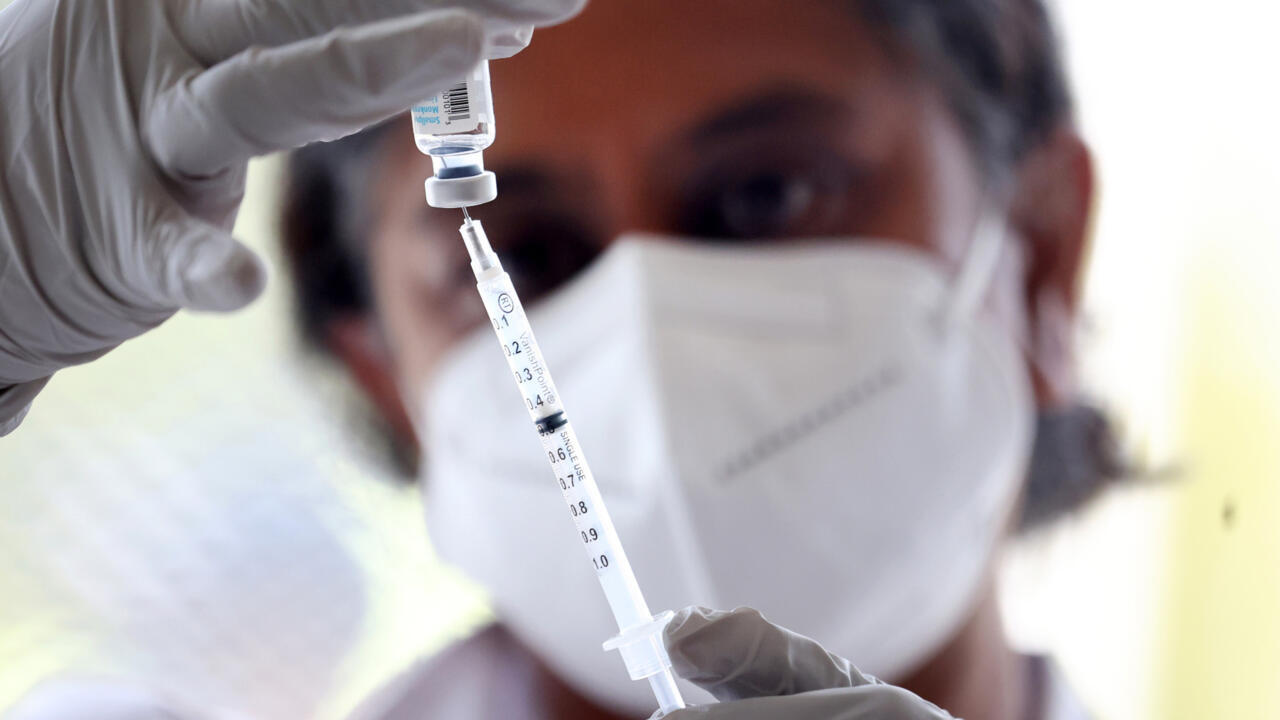
Nigeria has commenced its mpox vaccination programme, prioritizing health workers and immunocompromised individuals in Abuja. The initiative began on Monday at the Federal Medical Centre, where 30 people received the vaccine as part of the initial rollout.

The programme, delayed by over a month, follows Nigeria’s receipt of 10,000 vaccine doses in August from the United States. This shipment was part of a global response after the World Health Organization (WHO) declared mpox a public health emergency for the second time in two years.


Focus on At-Risk Groups

According to Hafsat Abdullazeez of the Institute of Human Virology, the vaccination effort is not aimed at mass immunization but is a “targeted ringed vaccination” strategy. It focuses on:

  • Healthcare workers: Due to their high exposure risk.
  • Immunocompromised persons: Particularly individuals living with HIV.

The programme will span 10 days and include Abuja and seven other states, such as Akwa Ibom, Bayelsa, and Rivers, which have reported notable case numbers.


Mpox Situation in Nigeria

Mpox, endemic to Nigeria and other African nations, has seen 94 confirmed cases in 2023 without any reported deaths. The vaccination campaign aims to mitigate the spread among vulnerable populations.

Globally, the WHO allocated 899,000 vaccine doses for nine African countries most affected by the surge. Nigeria’s campaign is a crucial step in addressing the mpox threat, leveraging its portion of the vaccines to protect healthcare systems and at-risk communities.


Global and Local Implications

Hardley Ikwe from the U.S. Centers for Disease Control emphasized the importance of the vaccination effort, highlighting its role in reducing mpox cases and safeguarding critical health personnel.

As Nigeria progresses with this initiative, the focus remains on ensuring effective distribution and fostering awareness to combat endemic diseases like mpox in the region.
Why South Africans Are Turning to a Chinese Hospital Ship for Medical Care

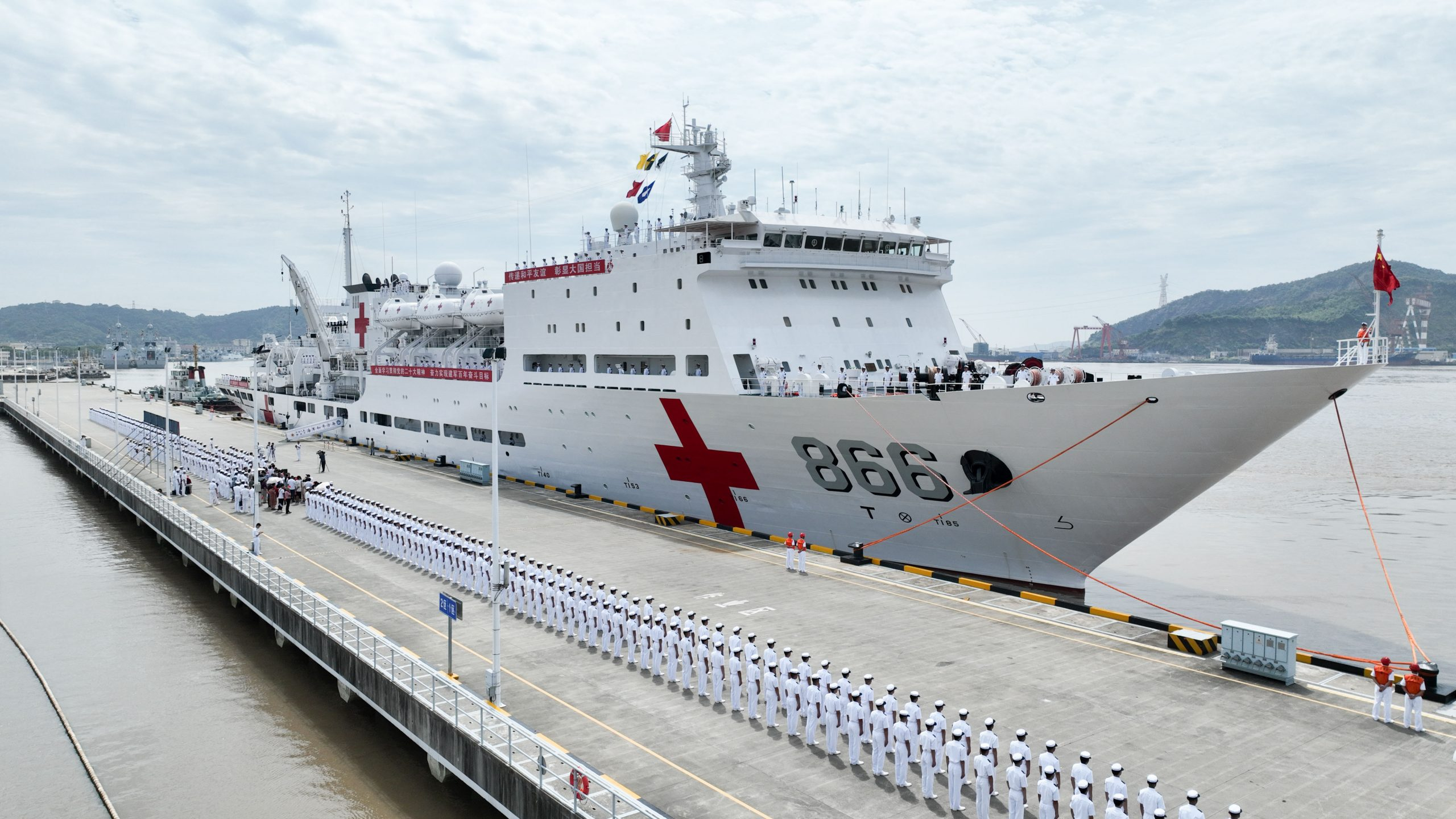
Despite Cape Town’s harsh winter weather, residents are eagerly flocking to a Chinese hospital ship, the Peace Ark, docked in the city’s harbor. The influx of patients highlights the severe strains on South Africa’s public healthcare system, exacerbated by a financial crisis that has left public services underfunded and private healthcare prohibitively expensive.

The Peace Ark, a floating hospital with a capacity to treat 700 patients daily, offers a range of medical services from maternity check-ups to surgeries and alternative therapies like cupping. The ship is part of a joint initiative between the South African and Chinese military, showcasing Beijing’s growing influence and soft power in Africa.

Lucy Mnyani, a patient who visited the Peace Ark, expressed relief at receiving timely care and imaging for her unborn child—services she could not access at local clinics. Joseph Williams, another patient, appreciated the swift and efficient service compared to the lengthy waits at local public clinics.

Since its arrival, over 2,000 South Africans have been treated, including those from night shelters and care homes. The ship’s amenities include operating theatres, intensive care units, and even a rescue helicopter, reflecting China’s commitment to showcasing its medical capabilities and fostering goodwill.

The high demand for the Peace Ark’s services underscores critical issues within South Africa’s healthcare system. Despite efforts to improve access through the National Health Insurance (NHI) scheme, which aims to provide universal healthcare funded by a central pool, significant challenges remain. The NHI faces legal threats and opposition from various stakeholders, including private health companies and professional associations, concerned about its potential impact on the sector.

Critics argue that South Africa’s public health system is plagued by inefficiencies and corruption, with a significant portion of the budget lost to mismanagement. Dr. Shuaib Manjra of the Health Justice Initiative points out that the overwhelming response to the Peace Ark reflects the failures of the public health system to meet citizens’ needs effectively.

The Peace Ark’s mission, which also includes stops in Angola and several other African nations, is part of China’s broader strategy to enhance its presence and influence in Africa. Over the past two decades, China has significantly increased its trade with the continent and invested in large-scale infrastructure projects, further solidifying its role as a key partner in Africa’s development.

As the Peace Ark prepares to depart for its next destination, its visit to Cape Town serves as a stark reminder of the pressing need for reforms and improvements in South Africa’s healthcare system.


Philippines Reports First Mpox Case of the Year, Awaiting Strain Identification

The Philippines has identified its first mpox case of the year, marking the first occurrence since December 2023. The patient, a 33-year-old Filipino male with no recent travel history outside the country, is currently under observation as health officials await sequencing results to determine the specific strain of the virus. The Department of Health (DOH) has stated that symptoms began over a week ago, starting with a fever, followed by the appearance of a distinct rash across various parts of the body, including the face, back, groin, and soles.

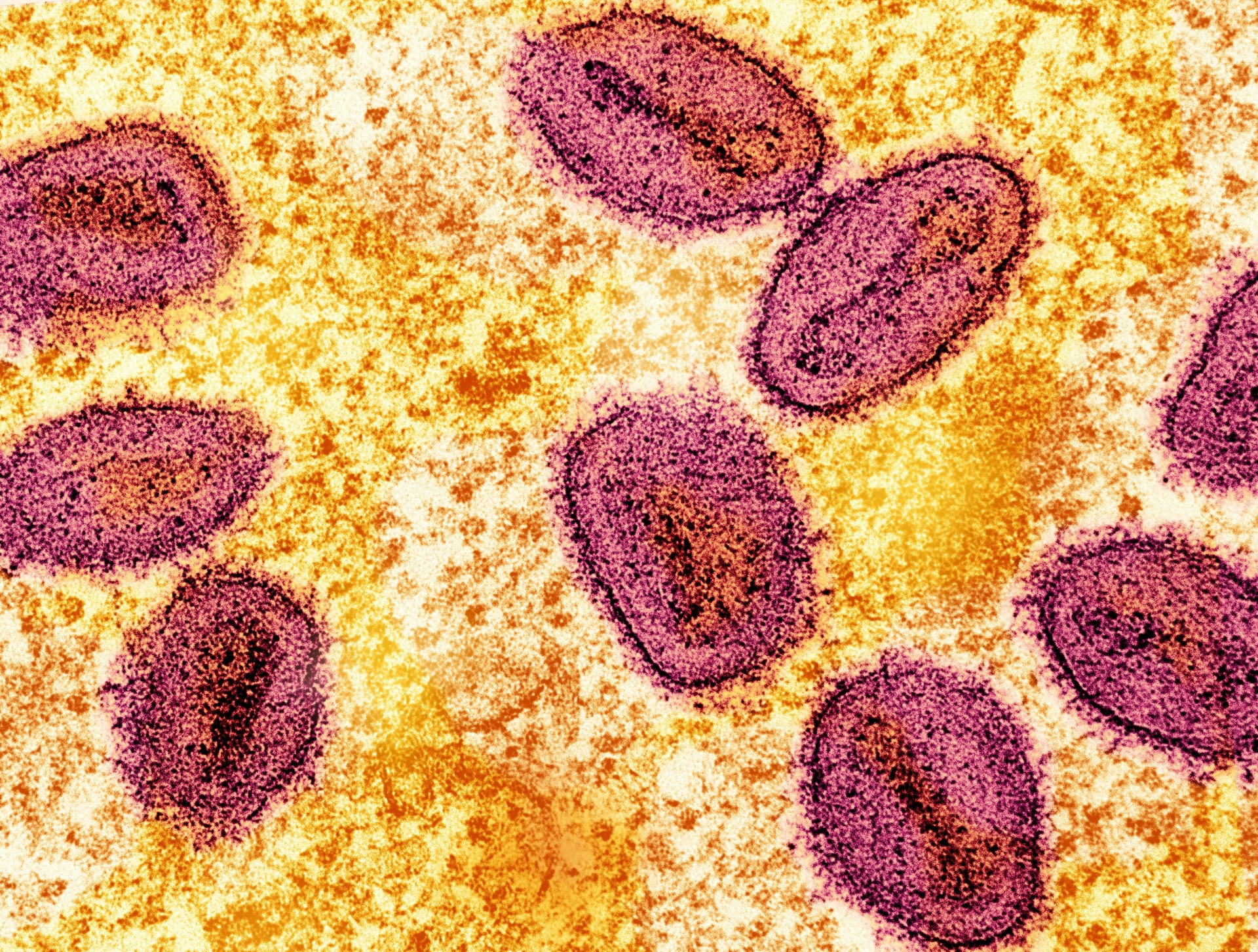
This case adds to the 10 laboratory-confirmed cases of mpox reported by the Philippines since July 2022. Mpox, caused by the monkeypox virus, typically presents with flu-like symptoms and pus-filled lesions, and while generally mild, it can pose serious risks, particularly for children, pregnant women, and individuals with compromised immune systems, such as those living with HIV.

Globally, mpox has been a growing concern, with the World Health Organization (WHO) recently declaring it a global public health emergency. The alarm was raised following an outbreak in the Democratic Republic of Congo that quickly spread to neighboring countries. A new variant of the virus, which appears to spread more easily through close contact, has heightened these concerns. Recent reports have confirmed cases of this variant in Sweden, linked to the African outbreak, and in Pakistan, where at least one case was detected in a patient returning from a Gulf country.

As health authorities in the Philippines and around the world continue to monitor the situation, there is an urgent need for timely identification of the virus strain and effective containment measures. This ongoing vigilance is critical as the global community grapples with the challenges posed by emerging infectious diseases. The latest case in the Philippines underscores the importance of continued public health surveillance and preparedness in addressing potential outbreaks, ensuring that responses are swift and informed by the most up-to-date scientific knowledge.