Yazılar

Sweden Reports First Case of Mpox Outside Africa Amid Global Health Emergency

Sweden has confirmed its first case of mpox, marking the first instance of the viral infection being detected outside of Africa. The announcement came just a day after the World Health Organization (WHO) declared mpox a global public health emergency for the second time in two years. The infected individual contracted the disease while staying in a region of Africa currently experiencing a significant outbreak, according to Olivia Wigzell, the Director-General of the Swedish Public Health Agency.

The WHO’s declaration follows a concerning spread of the virus from the Democratic Republic of Congo to neighboring countries, involving a more severe strain of the disease known as Clade I. Sweden’s Health and Social Affairs Minister, Jakob Forssmed, confirmed that the country has identified one case of this more serious strain. The infected person has received appropriate medical care and guidance in accordance with the Swedish health agency’s recommendations.

This case is particularly notable as it is the first time Clade I mpox has been diagnosed outside the African continent. Swedish health authorities are closely monitoring the situation and have emphasized the importance of following public health guidelines to prevent further spread. The WHO’s decision to classify mpox as a global health emergency underscores the need for international cooperation and vigilance in addressing this outbreak.


 

WHO Declares Mpox a Global Public Health Emergency Amid New Outbreak in Africa

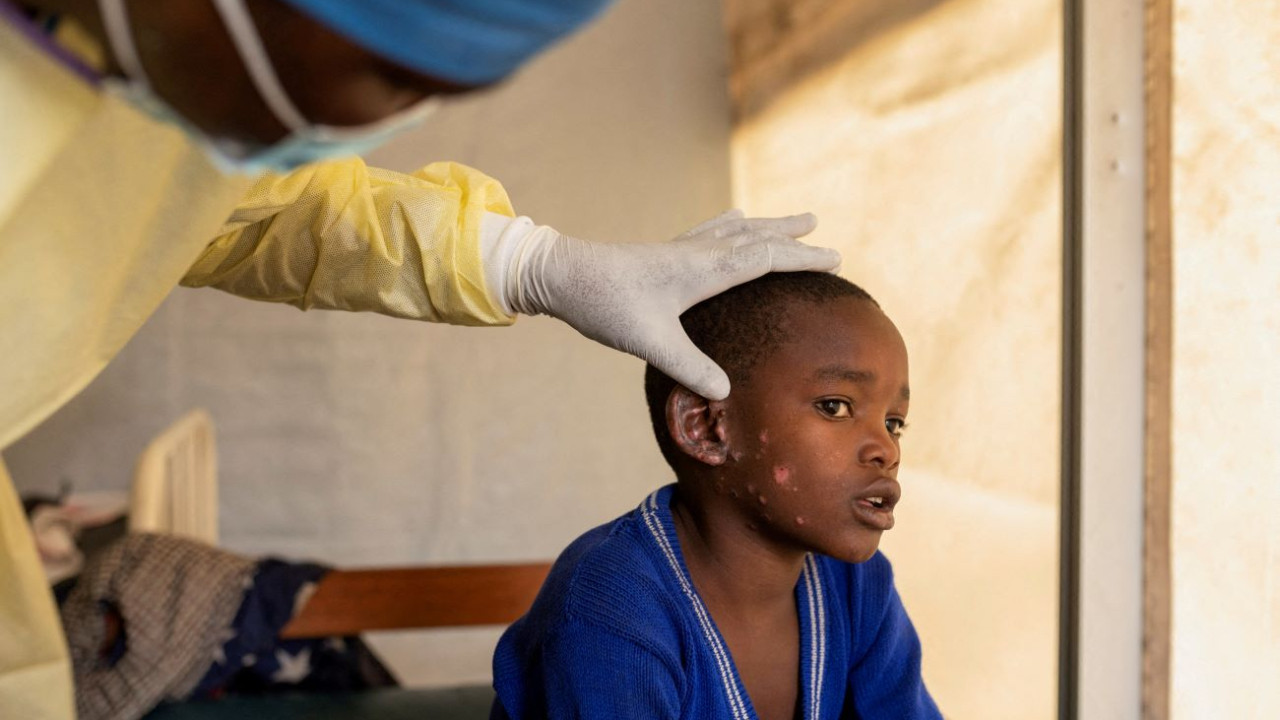
The World Health Organization (WHO) has once again declared mpox a global public health emergency, marking the second such declaration in two years. The latest outbreak began in the Democratic Republic of Congo and has rapidly spread to neighboring countries, including Burundi, Kenya, Rwanda, and Uganda, prompting the WHO to take swift action. Mpox, a viral infection that spreads through close contact, typically presents with flu-like symptoms and pus-filled lesions on the body. While generally mild, it can be fatal in rare cases.

The current outbreak in Congo initially involved an endemic strain known as clade I, but a new variant, clade Ib, has emerged, which appears to spread more easily through routine close contact, including sexual contact. This variant’s rapid spread across multiple African nations has raised alarms, leading to the WHO’s decision to declare a “public health emergency of international concern” (PHEIC), the organization’s highest level of alert.

This designation is crucial as it can accelerate global research, funding, and public health measures to contain the outbreak. WHO Director-General Tedros Adhanom Ghebreyesus emphasized the importance of a coordinated international response to prevent further spread and save lives.

The situation in Africa is particularly concerning, with the continent’s top public health body, the Africa Centres for Disease Control and Prevention, also declaring an mpox emergency earlier this week. The continent has reported over 17,000 suspected cases and 517 deaths this year alone, a significant 160% increase compared to the same period last year. So far, 13 African countries have reported cases of the viral infection.

This is not the first time mpox has triggered a global health emergency. In 2022, a different form of the virus, clade IIb, spread internationally, primarily through sexual contact among men who have sex with men. The WHO had declared a public health emergency at that time as well, which was lifted 10 months later after the outbreak was contained.

The reemergence of mpox as a global health threat underscores the need for vigilant monitoring, rapid response, and international cooperation to prevent further escalation of the outbreak.


Lyme Disease: Rising Incidence and Diagnostic Challenges

Overview:
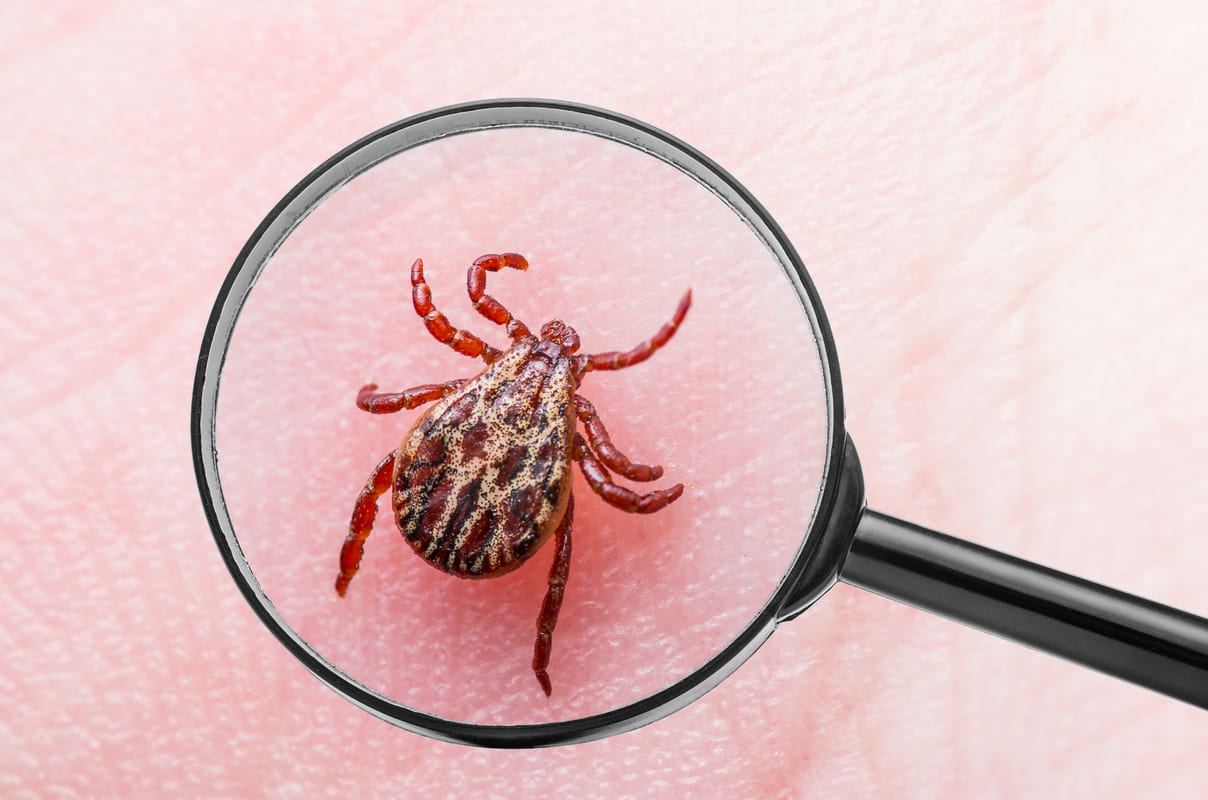
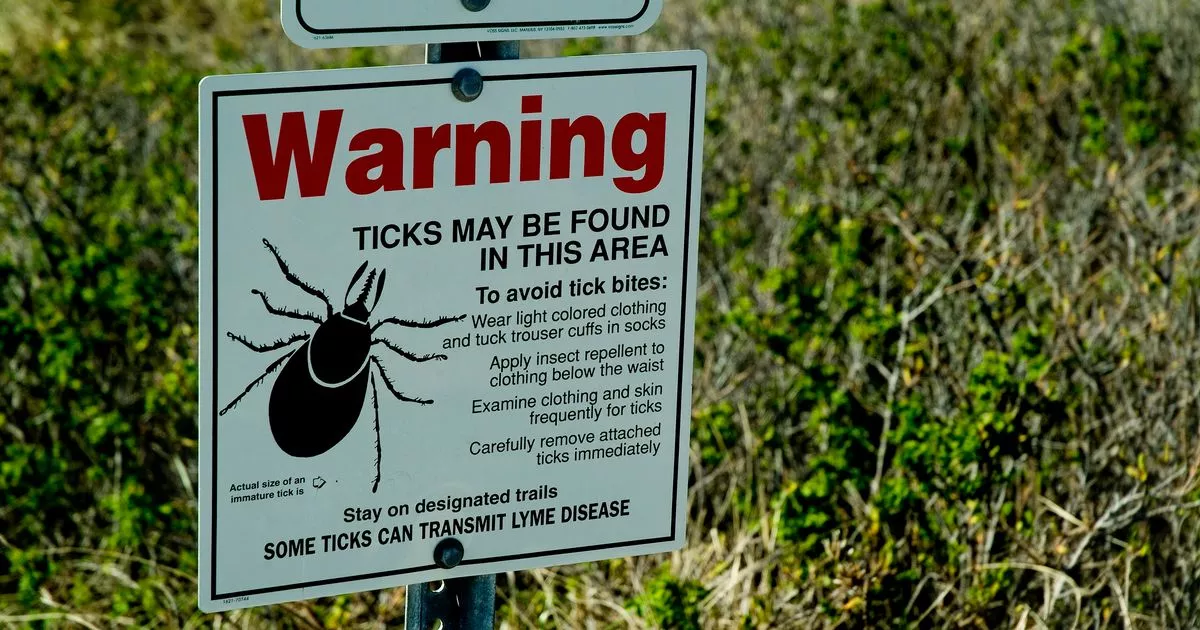
Lyme disease, caused by the bacterium Borrelia burgdorferi, is increasingly common due to climate change. Transmitted by tick bites, it can present a wide range of symptoms that often complicate diagnosis and treatment.

Transmission:
Ticks, tiny arachnids, transmit Lyme disease by injecting the bacteria into the bloodstream through a bite, often unnoticed due to their secretion of an anti-inflammatory substance.

Symptoms:

Early Symptoms:
• Erythema migrans (an expanding rash that often resembles a bullseye but can vary in appearance)
• Flu-like symptoms (fever, chills, headache, fatigue)
• Advanced Symptoms:
• Joint pain and swelling
• Neurological issues (facial paralysis, meningitis, peripheral neuropathy)
• Heart problems
• Severe fatigue
• Pins and needles in extremities

Diagnostic Challenges:
Physicians often struggle with diagnosing Lyme disease due to:

1. Variable Rash Presentation: The characteristic bullseye rash can appear differently, especially on dark skin, and is sometimes mistaken for other conditions like ringworm.
2. Symptom Diversity: Lyme disease affects multiple body systems, leading to symptoms that mimic other conditions, making diagnosis complex.
3. Early Misdiagnosis: Many patients, like Welsh rapper Ren, experience misdiagnoses such as bipolar disorder or chronic fatigue syndrome before being correctly identified as having Lyme disease.

Case Example:
A personal account describes an expanding rash that was misdiagnosed multiple times by medical professionals due to its non-bullseye appearance, delaying appropriate treatment.

Treatment:
When diagnosed early, Lyme disease is typically treated with antibiotics, leading to full recovery. However, delays in treatment can result in chronic symptoms requiring ongoing management.

Awareness and Education:
Improving awareness and education among medical practitioners about the varied presentations of Lyme disease is crucial for timely and accurate diagnosis and treatment.

Conclusion:
As Lyme disease becomes more prevalent, understanding its diverse symptoms and improving diagnostic approaches are essential to prevent long-term health issues and ensure effective treatment.