Yazılar

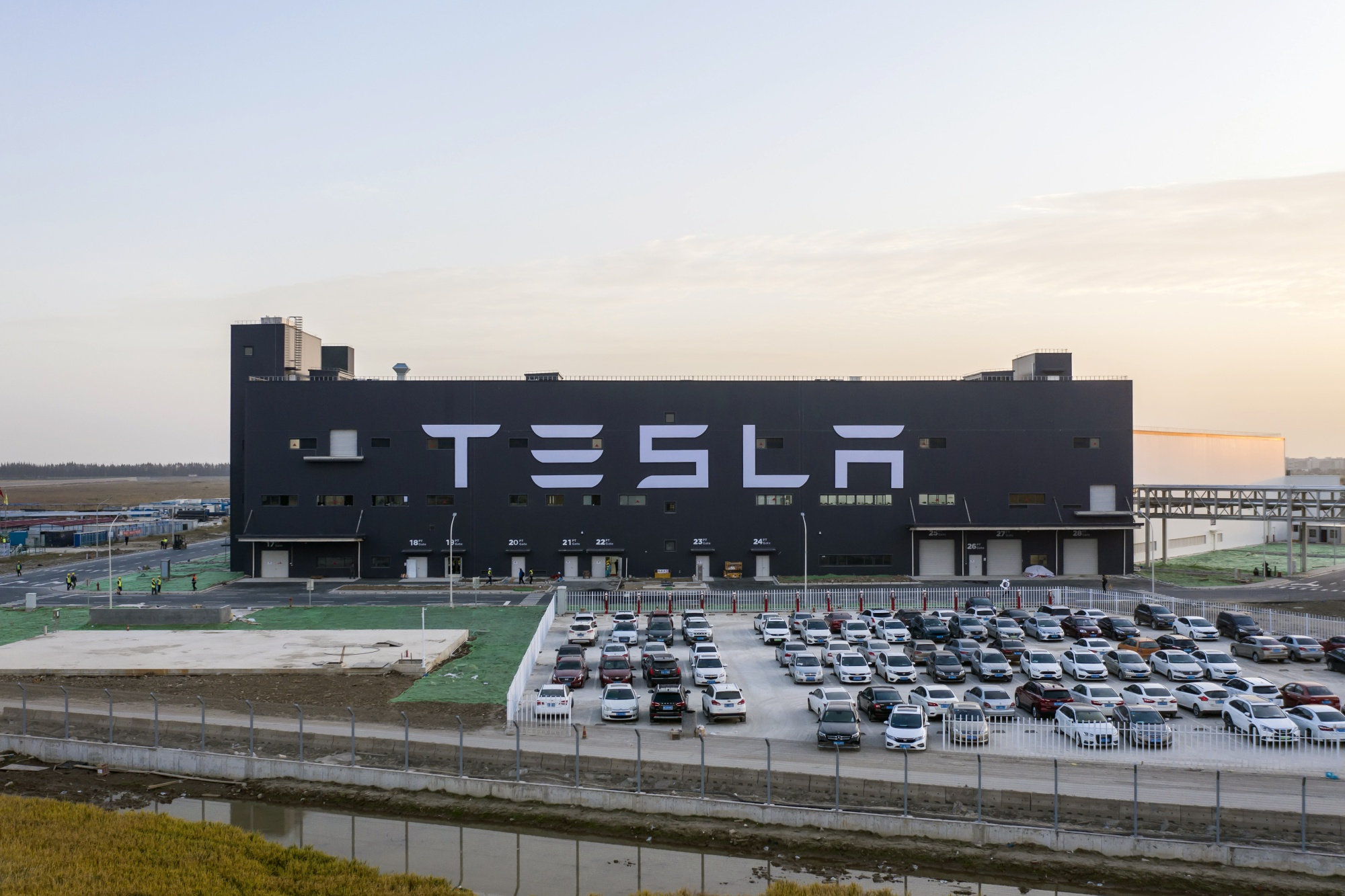
Tesla’s Shanghai Energy Storage Gigafactory Begins Trial Production

Tesla has announced that its energy storage gigafactory in Shanghai has begun trial production, with mass production expected to start early next year. The development marks an important step in Tesla’s expansion of its energy storage capabilities in China. Tesla China confirmed the milestone on Tuesday, signaling progress in meeting growing demand for energy storage solutions. This gigafactory is part of Tesla’s broader efforts to diversify its product offerings beyond electric vehicles, tapping into the global market for renewable energy storage.


Geothermal Startups See Growth as AI Demand Rises but Face Rivalry from Natural Gas

Geothermal energy is gaining traction as a sustainable solution to power the energy-hungry AI data centers of major tech companies like Meta and Google. However, the path forward remains uncertain due to stiff competition from natural gas and the high upfront costs of geothermal projects.

The Rise of Geothermal for AI Energy Needs

Big Tech firms are partnering with geothermal startups to supply clean energy for their data centers. These partnerships are part of a broader push to meet the growing energy demands of AI technologies while accelerating investments in renewable energy.

Trey Lowe, Chief Technology Officer of Devon Energy, a shale gas producer and investor in geothermal startup Fervo Energy, highlights the potential: “We believe geothermal, along with abundant natural gas, can be part of the all-of-the-above energy mix we need to meet the demand.”

Geothermal energy offers advantages such as faster carbon-free electricity generation compared to nuclear energy and reliability over intermittent sources like wind and solar. Despite these benefits, challenges like high drilling costs and lengthy project approvals have tempered initial enthusiasm.

Investments and Industry Shifts

Since 2020, geothermal projects have attracted an estimated $700 million in funding. While startups like Sage Geosystems and Gradient Geothermal are pushing forward with innovative approaches, larger oil majors like Chevron and Exxon Mobil remain focused on natural gas, often coupled with carbon sequestration to lower emissions.

Sage Geosystems, for instance, recently raised $30 million and is planning a Series B funding round in January. Gradient Geothermal is leveraging existing oil and gas infrastructure to generate geothermal energy, a cost-effective strategy gaining interest among mid-sized energy firms.

Geothermal energy’s cost competitiveness is a key factor driving its appeal. The average levelized cost of electricity (LCOE) for geothermal projects in the U.S. stands at $64 per megawatt-hour (MWh), lower than combined-cycle natural gas ($77/MWh) and significantly cheaper than nuclear energy ($182/MWh).

The Texas Geothermal Boom

Texas is emerging as a hub for geothermal development, thanks to its abundant resources, streamlined permitting process, and regulatory certainty. Ten of the 22 geothermal startups launched in the U.S. between 2016 and 2022 are headquartered in Texas.

According to Matt Welch of the Texas Geothermal Energy Alliance, “Texas is becoming the ‘place to be’ for geothermal exploration and development across the board.”

Legislative and Market Support

Lower commodity prices are pushing shale companies to diversify revenue streams, with geothermal becoming a viable option. Bipartisan legislative interest, such as the recently passed CLEAN Act and HEATS Act, could further simplify the process of setting up geothermal projects in the U.S., boosting the sector’s growth.

Trey Lowe of Devon Energy notes that government incentives and the stability of geothermal investments are attracting more private capital: “A combination of a low decline asset with high certainty on pricing piques the interest of many investors.”

Challenges and Outlook

While geothermal energy has significant potential, its growth is clouded by competition from natural gas and the reluctance of major oil companies to commit fully. For geothermal to become a cornerstone of the energy mix, continued investment, innovation, and supportive policy frameworks will be essential.


European Battery Hopes Depend on Chinese Partnerships Post-Northvolt Collapse

The collapse of Northvolt has not entirely derailed Europe’s ambitions to develop its own electric vehicle (EV) battery industry, but the continent’s progress now increasingly relies on Chinese investment and expertise.

Slovakian startup InoBat exemplifies this shift. The company faced funding challenges until Gotion, China’s fifth-largest battery maker, acquired a 25% stake and entered a joint venture with InoBat to build gigafactories in Europe. On Friday, InoBat announced €100 million ($104 million) in Series C funding, pushing its total capital raised to over €400 million. This development, coming shortly after Northvolt’s financial troubles, signals that European EV battery projects can still attract investors—albeit often with significant Chinese backing.

Executives and analysts suggest that future European battery ventures are likely to involve joint ventures with Chinese firms, mirroring the Gotion-InoBat partnership and a recent agreement between Stellantis and CATL. According to Lacie Midgely, a research analyst at Panmure Liberum, institutional investors now seek strategic partnerships before committing to funding.

China’s dominance in battery production is evident in companies like Gotion, which boasted a production capacity of 150 gigawatt hours (GWh) in 2023, enough to power up to 2 million cars. By 2025, this figure is expected to reach 270 GWh, far outpacing Europe’s current capabilities.

Partnerships and Progress

The Gotion-InoBat Batteries (GIB) joint venture has proven advantageous for InoBat, securing investor confidence by leveraging Gotion’s experience and scale. Vikram Gourineni, executive director at Indian battery maker Amara Raja—a key investor in InoBat’s latest funding round—highlighted that automakers prefer proven large-scale capabilities to mitigate risks in their EV programs.

InoBat operates a pilot production line in Voderady, Slovakia, and is building a high-performance 4 GWh gigafactory. The company also plans a $1.2 billion, 20 GWh facility in Surany, Slovakia, slated to supply batteries for 200,000 EVs annually starting in 2027. Volkswagen, which owns a 24.45% stake in Gotion, is a major partner, with Slovak government aid contributing €214 million to the project.

GIB’s strategy focuses on low-cost, high-volume production, leveraging Slovakia’s automotive manufacturing hub and proximity to major German, Czech, and Hungarian markets.

Challenges for Independent European Projects

Northvolt’s failure to compete with Chinese giants like BYD and CATL has cast doubt on other independent European battery startups. In 2024, at least eight companies postponed or canceled European EV battery projects, while the continent’s projected battery pipeline capacity through 2030 fell by 176 GWh, according to Benchmark Minerals.

However, some projects show promise. French startup Verkor, backed by Renault, has raised €3 billion to build a 16 GWh gigafactory in Dunkirk, expected to produce batteries for 300,000 EVs annually by 2028. Meanwhile, UK-based Ilika focuses on licensing its solid-state battery technology rather than building gigafactories, catering to niche markets such as medical devices and potentially EVs.

The Role of Chinese Expertise

European startups increasingly rely on Chinese partners to navigate technical and financial hurdles. Gotion’s collaboration has accelerated InoBat’s development, enabling faster problem-solving and cost management. CEO Marian Bocek noted that InoBat’s high-performance batteries are undergoing testing by premium automakers like Ferrari, while its GIB joint venture ensures large-scale production.

Analysts like Andy Leyland of SC Insights suggest that automakers and investors prefer de-risking production by relying on the expertise of established Asian battery manufacturers. “The Chinese have mastered low-cost mass production, so if you want batteries made, most likely Asian battery makers will make them,” Leyland said.

Despite these challenges, Europe’s battery ambitions remain alive, albeit increasingly intertwined with Chinese partnerships that provide the scale and expertise necessary to meet growing EV demand.