Yazılar

Russia’s Igor Sechin Praises Trump’s Plans to Defend U.S. Energy Producers

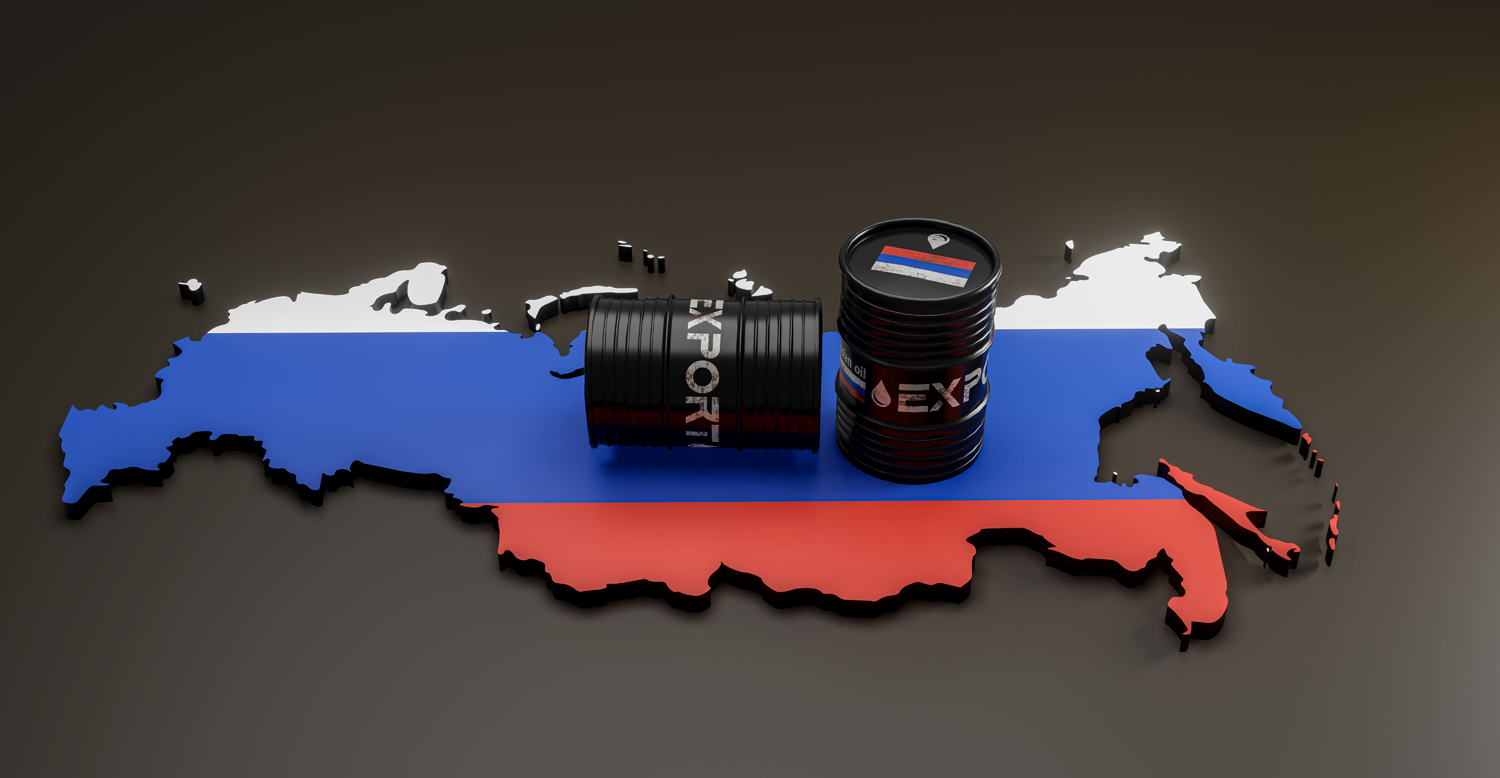
Igor Sechin, the CEO of Rosneft, Russia’s largest oil producer, expressed approval of U.S. President-elect Donald Trump’s campaign promises to support domestic energy production. Speaking at a conference in Qatar, Sechin described Trump’s proposed measures, including protecting U.S. energy producers and markets, as “fitting” economic policies.

Trump’s return to the White House on January 20 has elicited mixed reactions in Moscow. While some view his presidency with cautious optimism, others remain skeptical, suggesting that U.S.-Russia relations will not see significant changes despite a new administration. Relations between the two countries deteriorated to a post-Cold War low under President Joe Biden due to issues such as the Ukraine conflict.

Russian President Vladimir Putin congratulated Trump on his electoral victory, commending his courage in overcoming challenges, including a recent assassination attempt. Putin expressed Moscow’s readiness for dialogue with the incoming U.S. administration.

Energy and Trade Policies

Trump has pledged to prioritize U.S. domestic oil and natural gas production as part of his broader economic strategy. Sechin predicted that the Trump administration would remove restrictions on hydrocarbon production, reduce taxes, and shift investments from alternative energy sources to traditional energy sectors.

During his campaign, Trump also promised to impose significant tariffs on the U.S.’s largest trading partners—Canada, Mexico, and China. Critics warn these measures could provoke trade wars. Commenting on the potential fallout, Sechin remarked, “It’s not surprising that Canada, Mexico, China, and Europe will have to suffer. After all, Donald Trump is the president of the United States, not Mexico or Canada.”

Russia’s Outlook

Sechin’s remarks reflect a measured approval of Trump’s energy policies, which align with Russia’s interests as a major energy exporter. Both Rosneft and the Russian government could benefit from a global energy landscape that shifts focus back to hydrocarbons. However, the implications of Trump’s protectionist trade policies for global markets remain uncertain.
Is Nuclear Power Experiencing a Revival?

Overview

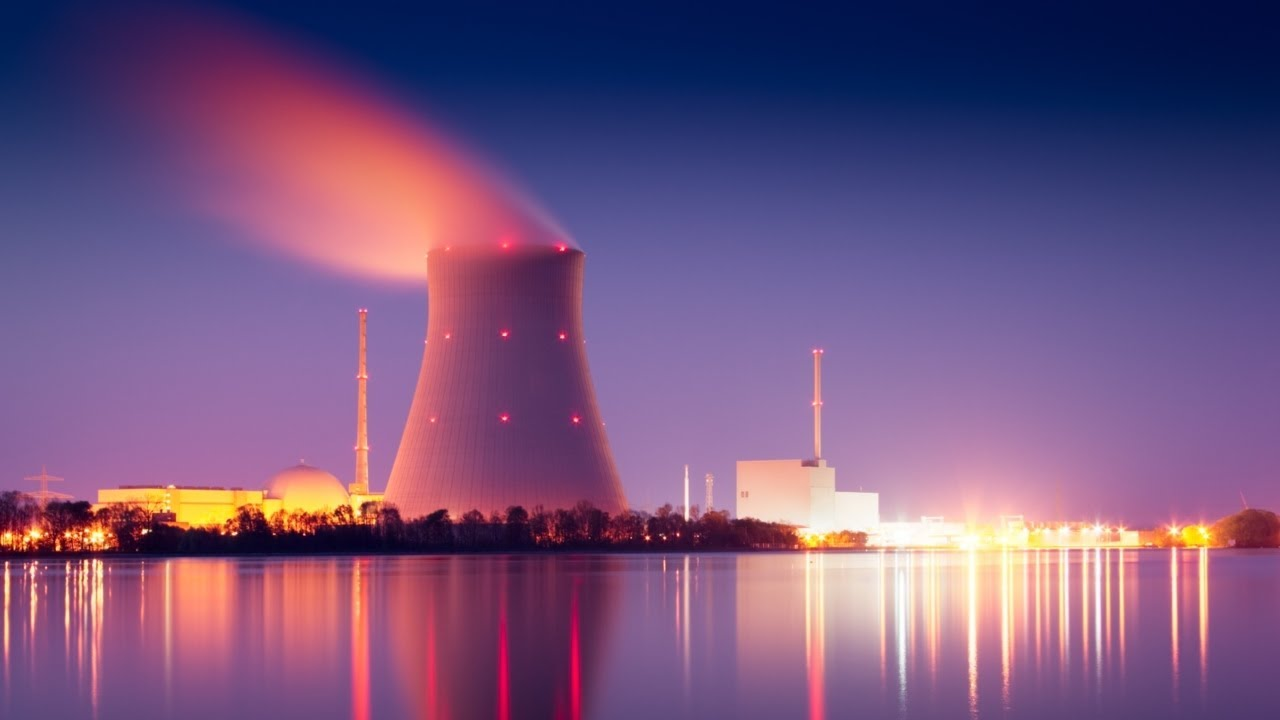
Once overshadowed by safety concerns, cost overruns, and waste disposal issues, nuclear power is now experiencing a resurgence in global interest. With investments from tech giants like Microsoft, Google, and Amazon, coupled with growing urgency to reduce carbon emissions, the nuclear sector appears poised for a potential revival. However, significant hurdles remain, including high costs and public skepticism.


Historical Context and Setbacks

In the mid-20th century, nuclear energy was heralded as a revolutionary technology capable of delivering vast amounts of energy with minimal fuel. However, high-profile accidents like Chernobyl (1986) and Fukushima (2011) eroded public confidence, leading to widespread opposition. Countries such as Germany phased out nuclear energy entirely, and the global nuclear generation capacity declined, losing 48GW between 2011 and 2020.


Resurgence Driven by Modern Challenges

Recent years have seen a renewed focus on nuclear power due to:

  1. Climate Goals: Countries striving to meet Paris Agreement commitments are reevaluating nuclear energy as a reliable, low-emission power source.
  2. Energy Security: Russia’s invasion of Ukraine and global energy crises have highlighted the need for secure, domestically controlled energy sources.
  3. Tech Industry Demands: The rise of AI and data centers, which require constant electricity, has led companies like Microsoft and Google to invest in nuclear power.

For instance, Microsoft has signed a deal to restart Pennsylvania’s Three Mile Island reactor, while Google and Amazon are exploring Small Modular Reactors (SMRs) to meet their energy needs.


Technological Innovations

Small Modular Reactors (SMRs):
SMRs are emerging as a potential game-changer, offering a more affordable and scalable alternative to traditional reactors. These reactors are smaller, quicker to construct, and can be deployed closer to where energy is needed. However, while SMRs are still in the developmental stage, with over 80 designs being explored globally, none have yet proven commercially viable.

International Expansion:

  • China: Increased its nuclear capacity from 13 reactors in 2011 to 55 today, with 23 more under construction.
  • France: Reversed plans to reduce nuclear reliance, now aiming to build up to eight new reactors.
  • South Korea: Abandoned its nuclear phase-out plans in favor of expansion.

Additionally, at COP29, the U.S., UK, and 29 other nations committed to tripling their nuclear capacity by 2050, emphasizing its role in combating climate change.


Economic and Safety Concerns

Despite its promise, nuclear energy faces significant barriers:

  1. Cost Overruns: Projects like Hinkley Point C in the UK and Plant Vogtle in the U.S. have suffered delays and budget overruns, highlighting the financial risks of large-scale nuclear investments.
  2. Radioactive Waste: Safe disposal of nuclear waste remains unresolved. While Finland has developed a geological disposal facility, most countries have yet to implement such solutions.
  3. Public Skepticism: Fear of accidents and environmental risks continues to polarize opinions.

Diverging Views

Supporters’ Perspective:
Proponents argue that nuclear power is indispensable for achieving net-zero emissions. Rod Adams, founder of Nucleation Capital, points to its reliability, low operational costs, and safety record as key advantages.

Critics’ Concerns:
Opponents like Professor M.V. Ramana argue that nuclear energy is prohibitively expensive and not as clean as advertised. They advocate for investment in cheaper renewable sources like wind and solar to achieve greater emission reductions per dollar.


The Road Ahead

While nuclear power is seeing a renewed push globally, its future hinges on overcoming cost challenges, proving the viability of SMRs, and addressing the long-term issue of waste disposal. As the world grapples with climate change and energy security, nuclear power may play a pivotal role—if it can meet these challenges.

Saudi Sovereign Wealth Fund Allocates $5.2 Billion to Green Projects Amid Diversification Drive

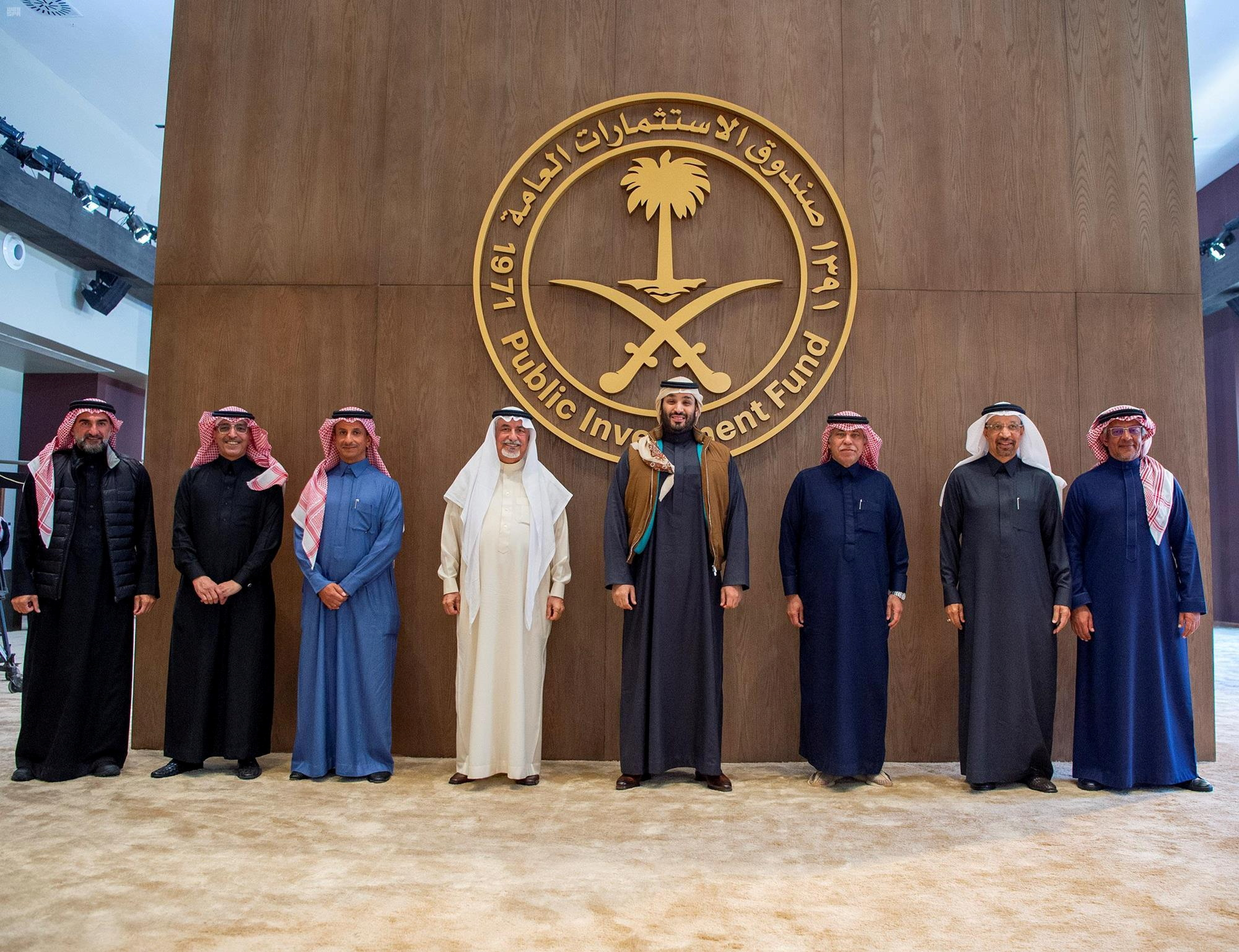
Saudi Arabia’s Public Investment Fund (PIF), one of the largest sovereign wealth funds globally, has allocated $5.2 billion of the $8.5 billion it raised through green bonds to finance environmentally focused projects by June 2024. This is a significant increase from the $1.3 billion allocated in the previous year, demonstrating the kingdom’s intensifying push toward sustainability.

A green bond is a financial instrument used to raise capital for projects with environmental benefits. The PIF made history in October 2022 as the first sovereign wealth fund to issue green bonds, with a follow-up issuance in February 2023. The fund, which manages $925 billion in assets, reported a capital expenditure requirement of $19.4 billion for “eligible green projects.”

Investment Areas and Goals

According to PIF’s Allocation and Impact Report, the funds have been primarily directed toward renewable energy, green buildings, and sustainable water management projects. These projects align with the United Nations Sustainable Development Goals (SDGs), reflecting Saudi Arabia’s commitment to environmental progress and international standards.

Saudi Arabia aims to reach net-zero greenhouse gas emissions by 2060. This goal is a key element of Crown Prince Mohammed bin Salman’s Vision 2030 plan, which seeks to modernize and diversify the kingdom’s economy, reducing its dependence on oil by investing heavily in green infrastructure.

Criticism and Challenges

Despite these efforts, the kingdom’s ambitious Vision 2030 plan has drawn criticism. Some question the environmental sustainability of mega-projects like Neom, a sprawling 10,200-square-mile futuristic urban development on the Red Sea. Critics argue that the high demand for construction materials and industrial processes could outweigh any potential environmental gains.

Philip Oldfield, a built environment expert at the University of New South Wales, expressed concerns in 2022, estimating that the construction of Neom could produce over 1.8 billion tons of embodied carbon dioxide, thus overshadowing its supposed environmental benefits.

Case Studies in Sustainability

The PIF’s report features several case studies to showcase its commitment to sustainability. One notable project is a water sustainability initiative in Neom that promises a “fully-circular system” designed to achieve water positivity. The plan includes 100% wastewater recapture and energy-neutral recycling, aligning with the kingdom’s broader goals for environmental stewardship.

Another major focus is on green hydrogen, a key technology in the global transition to cleaner energy sources. Neom Green Hydrogen, a joint venture with ACWA Power and Air Products, aims to become the world’s largest green hydrogen plant, operating solely on renewable energy. This project, still under development, is viewed by experts as a vital component of the global energy shift.

The PIF has provided either full or partial funding for these projects, though most are still in their early stages of completion.

Conclusion

Saudi Arabia’s sovereign wealth fund is playing a central role in financing the kingdom’s green transition. With $5.2 billion allocated toward green projects and more on the way, the PIF is pushing forward with its vision of a more sustainable future. However, questions remain about the environmental feasibility of some megaprojects like Neom, which must navigate the complexities of large-scale construction while aiming to contribute to global environmental goals.