Kazakhstan Votes on First Nuclear Power Plant Amid Public Concerns and Energy Needs
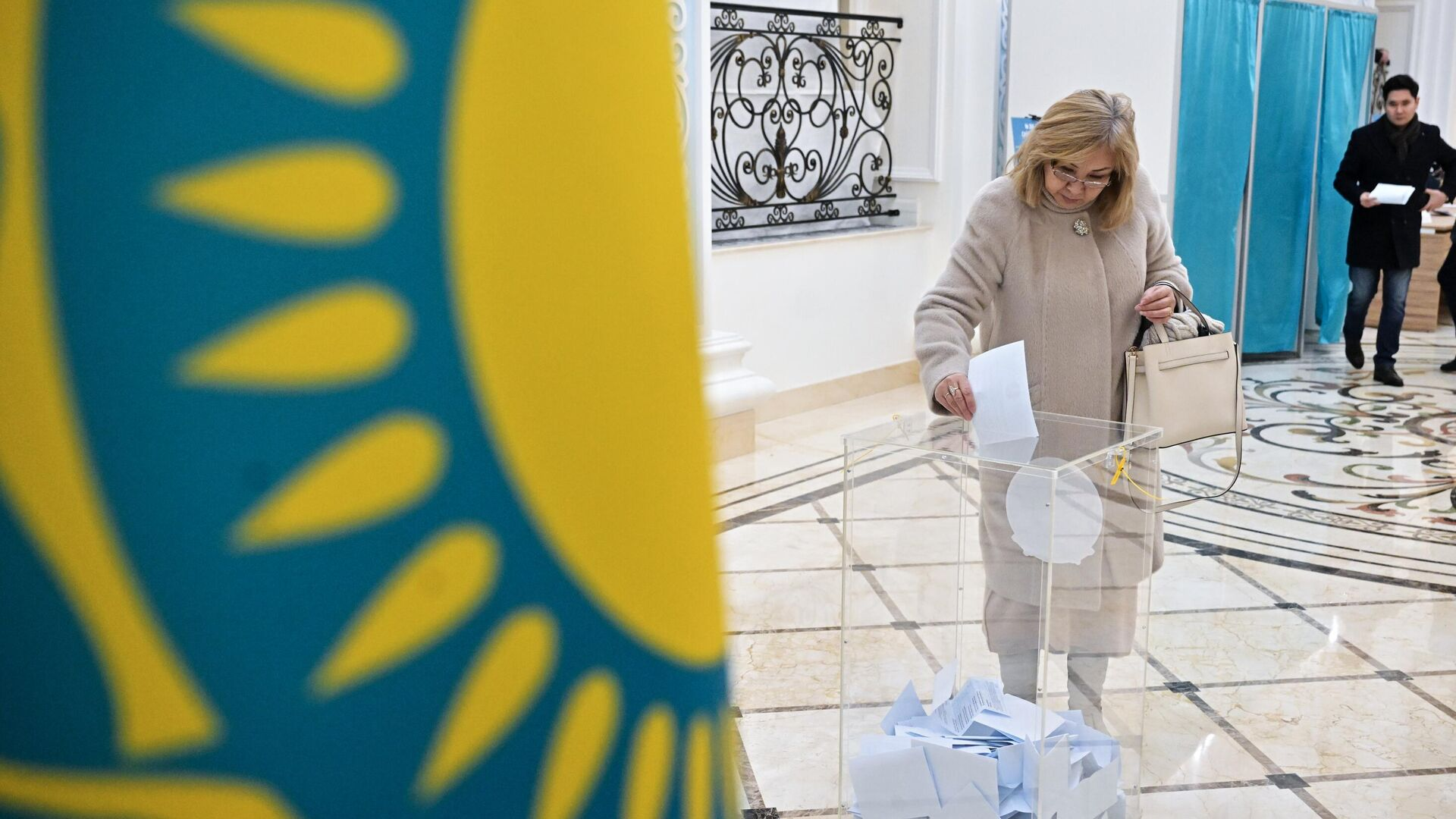
Kazakhstan held a referendum on Sunday to decide whether to build its first nuclear power plant, a move promoted by President Kassym-Jomart Tokayev as the country seeks to reduce its reliance on coal. While the government argues that nuclear energy will help phase out polluting coal plants and secure energy supply, the proposal has faced public opposition due to the Soviet Union’s nuclear legacy and fears of potential Russian involvement.
Despite the government’s push for the project, critics worry about the safety hazards and environmental impact. Vadim Boreiko, a popular blogger, suggested that the decision to build the nuclear plant with the involvement of Rosatom, Russia’s state nuclear company, has already been made and that the referendum serves merely to validate the decision. This view reflects public mistrust, particularly due to Kazakhstan’s history with nuclear testing during the Soviet era, which left many regions uninhabitable and created long-lasting health issues.
The proposed plant would be built near Lake Balkhash in the village of Ulken, where opinions among locals remain divided. While some residents hope the project will bring jobs and economic growth, others fear it may contaminate the lake’s water.
Despite Kazakhstan’s large natural gas reserves, the country remains highly dependent on coal-powered plants, which provide the bulk of its electricity. Many of these facilities are aging, and Kazakhstan has had to import electricity from Russia to meet demand. The government argues that nuclear power, combined with renewable energy sources like solar and wind, is essential for the country’s energy future, particularly given Kazakhstan’s status as one of the world’s largest uranium producers.
However, critics argue that gas-powered plants could meet the country’s energy needs without the risks associated with nuclear energy. Gas is less polluting than coal and does not carry the same potential for nuclear accidents.
The legacy of Chornobyl and the hundreds of nuclear tests conducted by the Soviet Union on Kazakh soil have left many people wary of anything related to nuclear power. The health and environmental consequences of those tests are still being felt today, with large areas rendered uninhabitable and health issues persisting among those who were exposed.
The referendum will only be considered valid if more than 50% of registered voters cast their ballots. Tokayev, who publicly cast his vote in the capital Astana, stressed that he is open to multiple international companies participating in the project, stating that an international consortium could provide the most advanced technologies for the plant.