Yazılar

Renewables stocks surge as investor inflows return and power demand outlook brightens

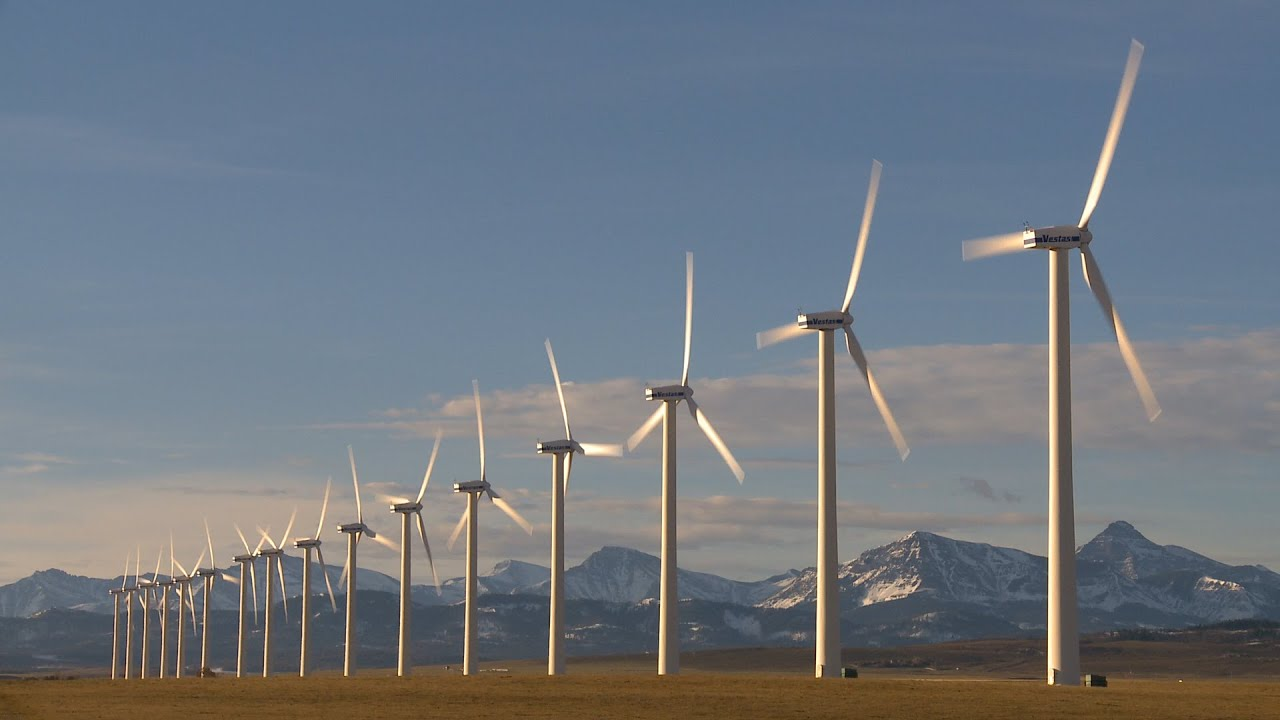
After two years in decline, renewable energy stocks are staging a strong comeback, driven by renewed investor inflows and a powerful shift in global electricity demand. The sector has posted its best quarterly performance since 2020, as confidence returns amid clearer U.S. policy direction and soaring energy needs from AI data centers and electrification.

Data from Lipper shows alternative energy funds attracted nearly $800 million in September, their biggest monthly inflow since April 2022, while Morningstar reports fund outflows have dropped to their lowest in over a year. The MSCI Global Alternative Energy Index rose 17% in the third quarter, doubling the broader market’s gains.

BlackRock’s Alastair Bishop said valuations had become so depressed that even negative policy news turned into a “positive catalyst,” helping investors refocus on fundamentals. Similarly, Robeco’s Roman Boner said inflows into the firm’s clean-energy strategies have resumed.

The rally has been powered by Big Tech’s AI-fueled data center boom, accelerating electrification of transport and industry, and upgrades to grid infrastructure. U.S. power consumption, flat for a decade, is now expected to surge, with solar-plus-storage emerging as the fastest way to meet demand. “Every electron counts,” Boner said.

Private equity is also reentering the space, with Global Infrastructure Partners reportedly in talks to acquire AES Corp. Analysts say renewable stocks still trade at a 40% discount to global equities, leaving room for upside as earnings momentum builds.

Despite risks from higher interest rates and political shifts, managers believe the rally could persist as short positions unwind and clean-energy earnings recover.

Rick Perry’s Data Center REIT Fermi Targets $13 Billion Valuation in U.S. IPO

Fermi, a real estate investment trust co-founded by former U.S. Energy Secretary Rick Perry, is seeking a valuation of up to $13.16 billion in its planned U.S. initial public offering, the company announced on Wednesday. The move comes as the surge in artificial intelligence drives demand for massive data center infrastructure.

The Amarillo, Texas-based firm aims to raise as much as $550 million by offering 25 million shares priced between $18 and $22 each.

Data centers have become prime assets as technology companies rush to build the computing power needed for advanced AI models. Fermi joins a growing list of AI-focused firms, such as CoreWeave and WhiteFiber, that have tapped public markets this year.

Founded in January 2025, Fermi has set its sights on developing the world’s largest energy and data complex, fueled by a combination of nuclear, natural gas, and solar power. Despite its ambitions, the company remains in an early development stage and has yet to generate revenue, reporting a $6.4 million loss since inception through June 30.

Fermi’s flagship initiative, known as Project Matador, plans to deliver up to 11 gigawatts of power for data centers by 2038, including one gigawatt ready by the end of 2026. The complex will span more than 5,200 acres in Texas and is expected to attract hyperscaler tenants.

“AI is arguably the investment story of a lifetime, but at this stage Fermi is still a story, and it’ll be interesting to see how much investors will pay for it,” said Matt Kennedy, senior strategist at Renaissance Capital. He described the valuation target as “very ambitious” for a development-stage company, highlighting the importance of securing contracts.

UBS, Evercore, Cantor and Mizuho are leading the IPO, with Fermi planning to list on both Nasdaq and the London Stock Exchange under the ticker “FRMI.” Proceeds from the offering will be used to purchase equipment and powered shells for the Texas complex.

Microsoft expands Wisconsin AI data center investment to $7 billion

Microsoft announced plans to build a second major artificial intelligence data center in Wisconsin, raising its total investment in the state to more than $7 billion. The new $4 billion facility will join a $3.3 billion data center already under construction in Mount Pleasant, Racine County, first unveiled last year.

The initial data center is expected to open in 2026 and employ about 500 people, while the addition of the second will expand staffing to around 800. Microsoft says the combined site will eventually host the world’s most powerful AI supercomputer, linking together hundreds of thousands of Nvidia chips.

The development comes on land once earmarked for Foxconn’s highly publicized $10 billion factory, a project dramatically scaled back after initial political fanfare during Donald Trump’s presidency. When President Joe Biden attended Microsoft’s first announcement last year, he highlighted Foxconn’s retreat as a cautionary tale while framing Microsoft’s plan as a sign of renewed investment.

Microsoft said it will pre-pay for electrical infrastructure to avoid burdening local customers with higher power bills and will use Wisconsin’s cold climate for energy-efficient cooling. Annual water consumption will be capped at roughly the level of an average restaurant. To offset its energy use, the company will also build solar power elsewhere in Wisconsin, though Microsoft President Brad Smith noted new fossil fuel generation—specifically liquefied natural gas—will still be part of the mix.

While the 800 permanent jobs fall short of the thousands promised by Foxconn, Smith emphasized the importance of ongoing skilled labor positions, including pipefitters and electricians, needed for both construction and long-term maintenance.