Yazılar

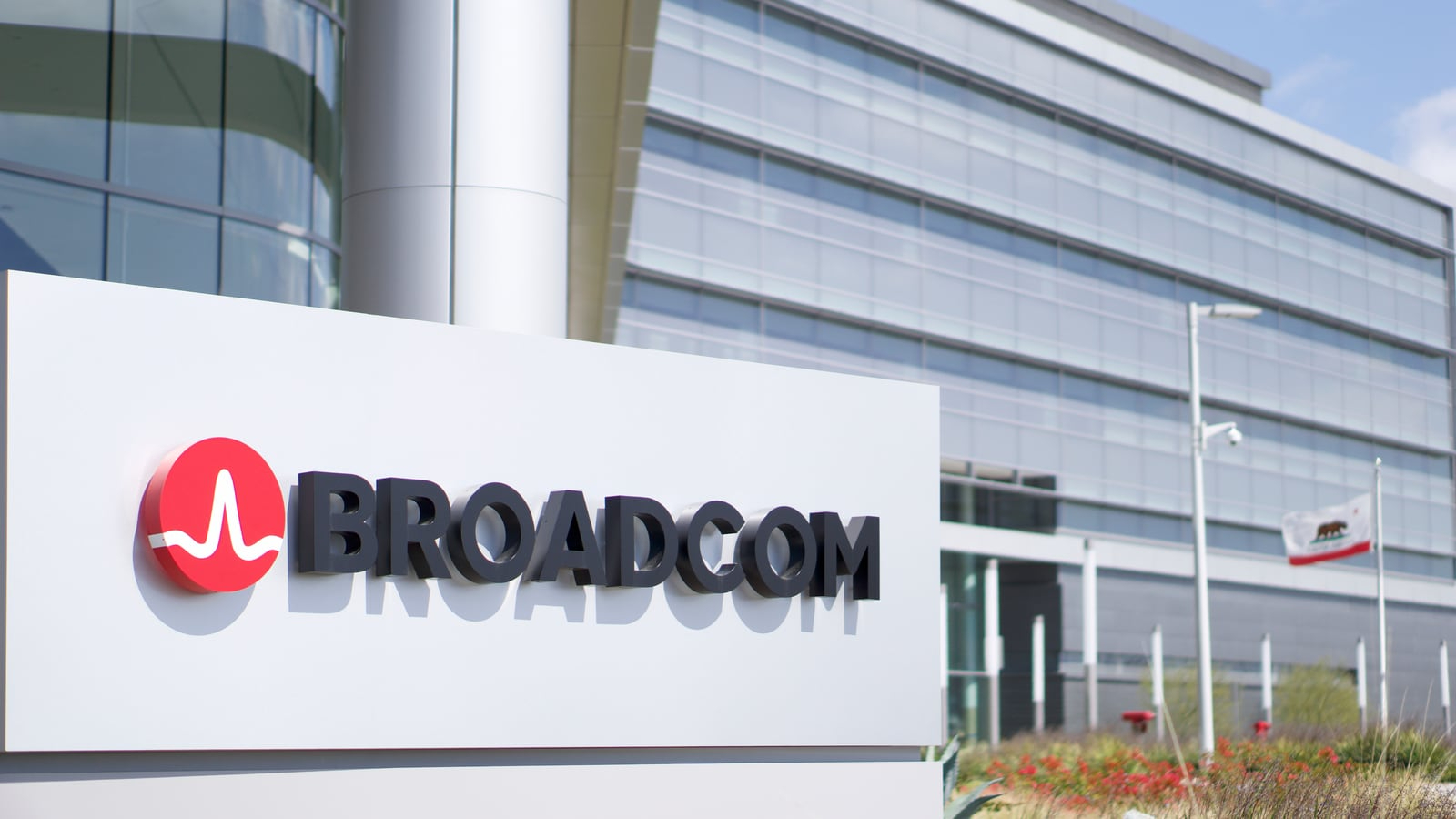
Broadcom Shares Slip as Revenue Forecast Underwhelms AI-Driven Expectations

Broadcom shares declined over 3% in early trading on Friday after its third-quarter revenue forecast failed to meet the high expectations of investors who have been heavily bullish on chip stocks amid the ongoing artificial intelligence surge.

The Palo Alto-based semiconductor giant projected third-quarter revenue of approximately $15.80 billion, slightly above the analysts’ consensus estimate of $15.71 billion, according to LSEG data. However, analysts noted that expectations for Broadcom had already been elevated due to its critical role in AI infrastructure.

“High expectations drove a bit of downside,” said Bernstein analyst Stacy Rasgon, reflecting the sentiment that even marginally positive forecasts may not be enough in the current AI-fueled market climate.

Broadcom provides semiconductors to major clients like Apple and Samsung and supplies advanced networking hardware essential for AI data centers, where massive data transfers are required to power generative AI models. In addition to its networking chips, Broadcom also designs custom AI processors for large cloud providers, offering an alternative to Nvidia’s expensive off-the-shelf chips.

Despite its position in the AI supply chain, Broadcom remains exposed to global trade uncertainties, particularly around U.S. export restrictions aimed at limiting China’s access to advanced technology. “AVGO is ramping two additional customers, but they are still small. So the processor business will grow this year, but at a measured rate,” Morgan Stanley commented.

Rival Marvell Technology, meanwhile, offered a more optimistic outlook last week, forecasting stronger-than-expected second-quarter revenue driven by growing demand for custom chips supporting AI workloads in data centers.

Broadcom briefly crossed the $1 trillion market cap threshold in December, reflecting investor optimism about AI-related chip demand. Its shares have climbed roughly 12% year-to-date. However, its current valuation — with a 12-month forward price-to-earnings ratio of 35.36 — remains significantly higher than Marvell’s 20.63, according to LSEG data.
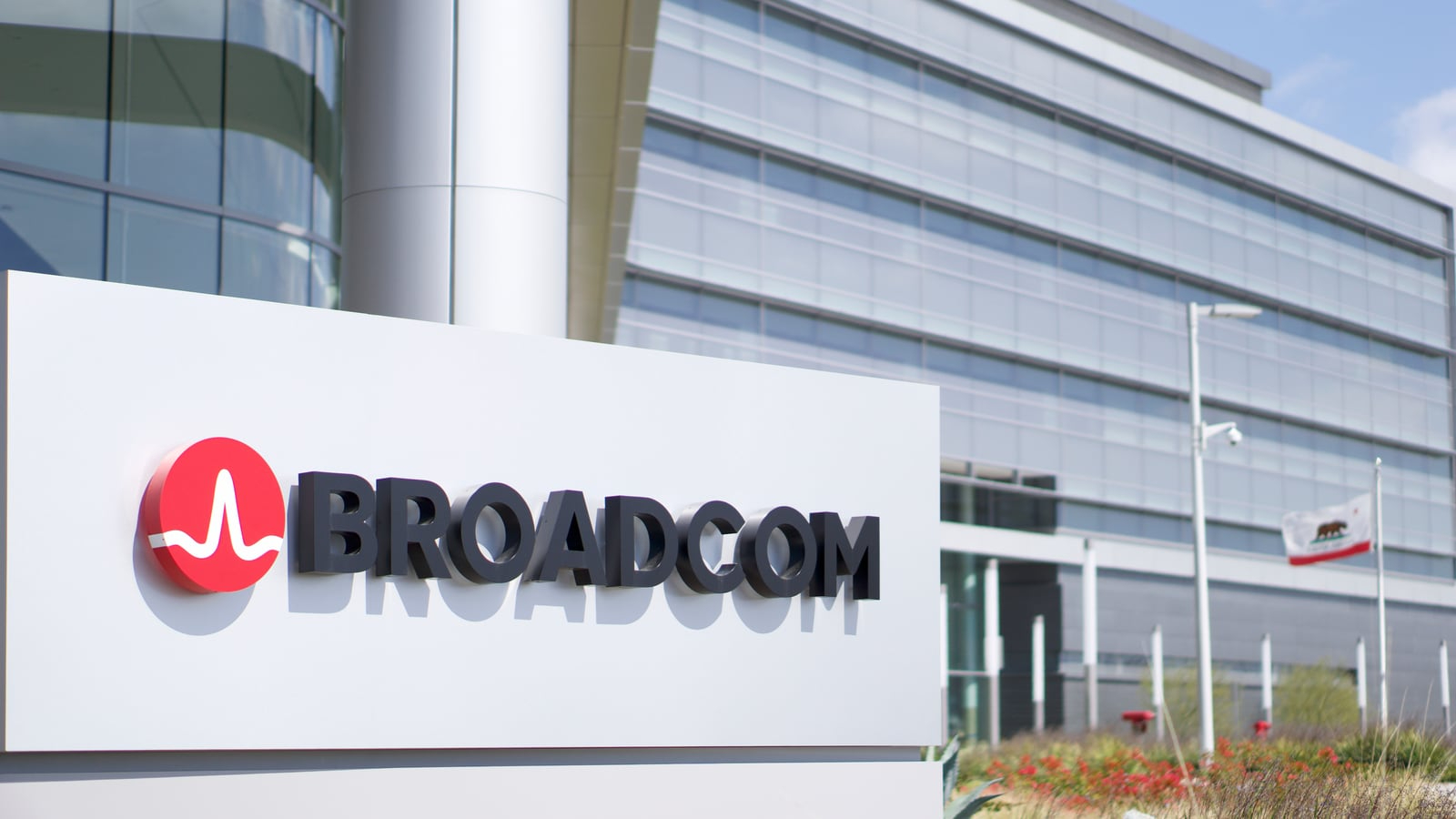

Broadcom Raises Revenue Forecast on AI Chip Demand but Shares Dip

Broadcom delivered a stronger-than-expected revenue forecast for its third quarter, supported by robust demand for its networking and custom AI computing chips. The company projected Q3 revenue of approximately $15.80 billion, exceeding analysts’ average estimate of $15.71 billion according to LSEG data.

Despite the upbeat forecast, Broadcom’s shares fell 4% in after-hours trading. The stock had already climbed nearly 30% over the past month and around 12% for the year, leading some investors to view the forecast as insufficiently exceeding high market expectations. “Clearly, expectations were high coming into the print,” said Kinngai Chan, senior research analyst at Summit Insights Group.

The Palo Alto-based company plays a crucial role in the AI hardware ecosystem, designing custom processors and networking chips for major AI and cloud computing clients such as OpenAI and Google. Broadcom has begun shipping its newest networking chip, the Tomahawk 6, which doubles the performance of its predecessor and enhances data center efficiency for AI workloads.

Broadcom CEO Hock Tan highlighted the ongoing growth, noting that AI semiconductor revenue is expected to accelerate to $5.1 billion in the third quarter, marking ten consecutive quarters of growth. “Our hyperscale partners continue to invest,” Tan stated. In contrast, non-AI semiconductor revenue remains sluggish and near the bottom of its cycle.

For the second quarter, Broadcom reported total revenue of $15 billion, narrowly surpassing analysts’ estimates of $14.99 billion. Revenue from its semiconductor segment, which includes products for data centers and networking, grew 16.7% year-over-year to $8.41 billion.

Zoom Raises Annual Forecasts as AI Integration Drives Growth

Zoom Communications has raised its full-year revenue and profit outlook, citing strong demand for its hybrid work solutions and the integration of AI-powered tools across its platform.

The company now expects fiscal 2026 revenue to reach between $4.80 billion and $4.81 billion, slightly above its earlier forecast and consensus estimates of $4.79 billion. Adjusted profit per share is projected between $5.56 and $5.59, a significant increase from the previous range of $5.34 to $5.37 and well ahead of analyst expectations of $5.41.

The upgrades come as Zoom expands its AI capabilities, particularly through its AI Companion, which saw major updates in March. The platform now supports functions like meeting summaries, shift overviews, and automated clip generation, enhancing productivity and collaboration for users in hybrid and remote settings.

“Across online and enterprise, the majority of the business in the first quarter saw no change in buying behavior, still strong demand,” said CFO Michelle Chang.

Chang also noted that despite increased scrutiny on deal terms among some large U.S. clients, Zoom did not suffer any significant losses during the quarter.

Q1 Performance and Strategic Momentum

For the first fiscal quarter ended April 30:

  • Revenue stood at $1.17 billion, in line with Wall Street expectations.

  • Adjusted earnings were $1.43 per share, exceeding forecasts of $1.31.

The results indicate that Zoom’s pivot from a pandemic-era video calling staple to a more diversified enterprise communications platform is gaining traction.

Industry analysts responded positively to the company’s evolution.

“With a beefed-up buyback program and AI Companion upgrades now spanning everything from shift summaries to clip generation, Zoom finally has the makings of a new story to tell,” said Jeremy Goldman, senior director at Emarketer.

Zoom’s increased focus on enterprise customers, AI-driven enhancements, and broader collaboration tools is helping it stay relevant amid fierce competition from platforms like Microsoft Teams and Google Meet.