Yazılar

Uber Rebrands “Green” as “Electric” and Offers $4,000 Grants to Speed Up EV Adoption

Uber Technologies (UBER.N) announced on Wednesday that it is rebranding its “Uber Green” ride option as “Uber Electric”, unveiling a $4,000 incentive program to encourage U.S. drivers to switch to electric vehicles (EVs). The move marks a key step in the company’s plan to achieve zero-emission rides globally by 2040.

The new initiative, called “Go Electric”, will provide eligible drivers with grants of up to $4,000, which can be stacked with state and manufacturer incentives, helping to offset EV prices at a time when costs are rising. The federal $7,500 EV tax credit, introduced under President Joe Biden, expired last month, making Uber’s grants even more valuable for drivers considering the switch.

Earlier this year, Uber transitioned its Uber Green service in the U.S. to an all-electric fleet, eliminating hybrids from the program. The company now counts over 200,000 EVs on its platform worldwide, with drivers in North America and Europe adopting electric vehicles up to five times faster than the general population.

According to Uber, one in four riders said their first EV experience came through an Uber trip. To celebrate the rebrand, the company will also offer riders a 20% discount on their next electric ride.

Uber is expanding its battery-aware matching system — a feature that connects drivers to trips within their available battery range — to 25 countries. The tool aims to reduce “range anxiety”, the common concern that an EV may run out of charge before reaching a destination or charging station.

Uber’s sustainability push comes as competition in green mobility intensifies, with rivals such as Lyft and Bolt also pledging to electrify their fleets. Analysts say Uber’s latest move could strengthen its leadership in urban electrification, particularly as governments tighten emissions rules and consumer demand for eco-friendly transport continues to grow.
Waymo to launch driverless ride-hailing service in London in 2026

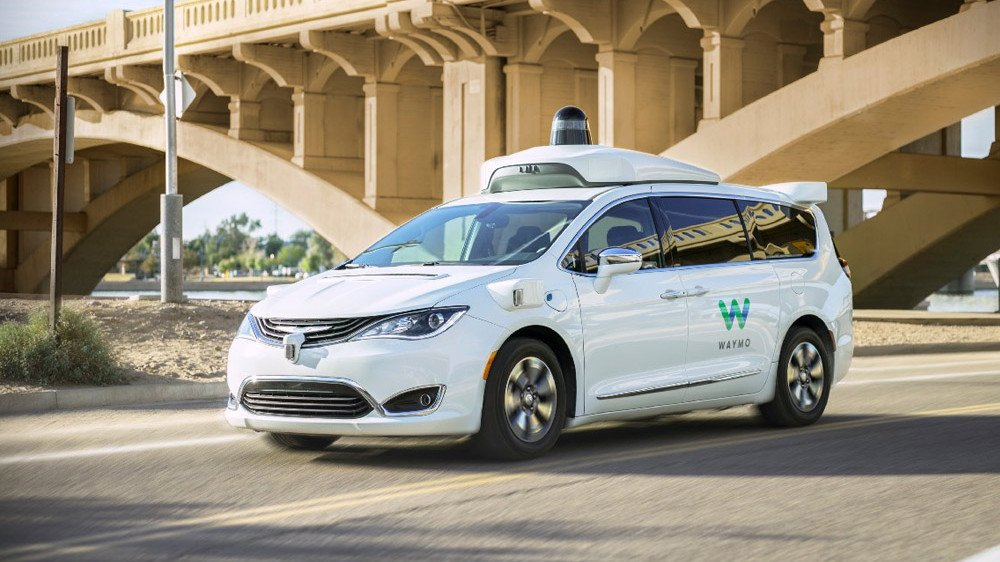
Alphabet’s autonomous vehicle subsidiary, Waymo, announced plans to launch its fully driverless ride-hailing service in London next year, marking its first major expansion into Europe. The company, which has been gradually scaling operations in the United States, aims to bring its robotaxi technology to one of the world’s most densely regulated urban environments.

Waymo said it will partner with vehicle financing firm Moove to manage fleet operations, facilities, and charging infrastructure in London. The company is also working closely with local and national authorities to obtain the necessary regulatory approvals ahead of the launch. According to a spokesperson, vehicles are already en route to London, where they will initially be tested with safety drivers before transitioning to full autonomy in 2026.

In the U.S., Waymo currently provides over 250,000 paid trips weekly across cities including San Francisco, Los Angeles, Phoenix, Atlanta, and Austin, with a fleet of roughly 1,500 vehicles. The company has also been expanding internationally, collecting data in Tokyo earlier this year in collaboration with Japanese partners Nihon Kotsu and Go.

The move comes amid intensifying competition in the autonomous transport sector, as Tesla prepares to debut its long-promised robotaxi service and Uber plans to trial fully driverless rides in the UK in partnership with AI startup Wayve. Despite regulatory challenges and technical setbacks in the U.S., Waymo’s London project signals renewed momentum for commercializing self-driving technology.

Alibaba’s Amap Hits Record 360 Million Users on First Day of China’s Extended Holiday

Alibaba Group’s mapping app Amap reached an all-time record of over 360 million daily active users on the first day of China’s eight-day National Day holiday, the company announced on Wednesday.

The surge highlights Amap’s growing dominance in the travel and lifestyle app ecosystem and marks a significant milestone in its ongoing rivalry with Meituan, another major player in China’s digital services market.

AMAP’S STRATEGIC SHIFT AND AI FEATURES

Traditionally known for navigation, Amap has been expanding into lifestyle and local services, directly challenging Meituan’s Dazhong Dianping platform. It now offers AI-powered rankings of restaurants, hotels and tourist destinations through its new feature called “Street Stars”, which leverages artificial intelligence algorithms to generate destination lists for users.

As part of the launch campaign, Amap rolled out 1 billion yuan ($140.43 million) worth of subsidies, including ride-hailing discounts and in-store coupons, to boost engagement during the peak holiday period.

MARKET REACTION AND HOLIDAY BOOST

The announcement sent Alibaba’s shares up 4% in Hong Kong trading on Thursday after JPMorgan raised its price target on the stock to HK$240 ($30.85) from HK$165, citing stronger-than-expected user activity and positive outlooks in the company’s digital services ecosystem.

The record usage coincided with China’s National Day and Mid-Autumn Festival, which this year were combined into an eight-day “super holiday”, one of the country’s busiest travel periods.

According to state broadcaster CCTV, China’s national railway handled 23.13 million passenger trips on the first day alone — an 8% increase year-on-year and a new single-day record, underscoring the nationwide travel boom.

ALIBABA VS. MEITUAN: A DIGITAL LIFESTYLE BATTLE

Amap’s evolution reflects Alibaba’s broader effort to capture local-lifestyle market share from Meituan by transforming a simple mapping tool into a comprehensive travel and experience platform.
Chinese consumers, who traditionally turned to Meituan’s Dazhong Dianping for restaurant reviews and bookings, are increasingly finding similar services integrated directly within Amap’s app — backed by AI personalization and user subsidies.

As China’s consumer and tourism sectors rebound post-pandemic, the battle for digital lifestyle dominance between Alibaba and Meituan is set to intensify — with Amap’s record user engagement during the National Day holiday offering Alibaba a strong start.