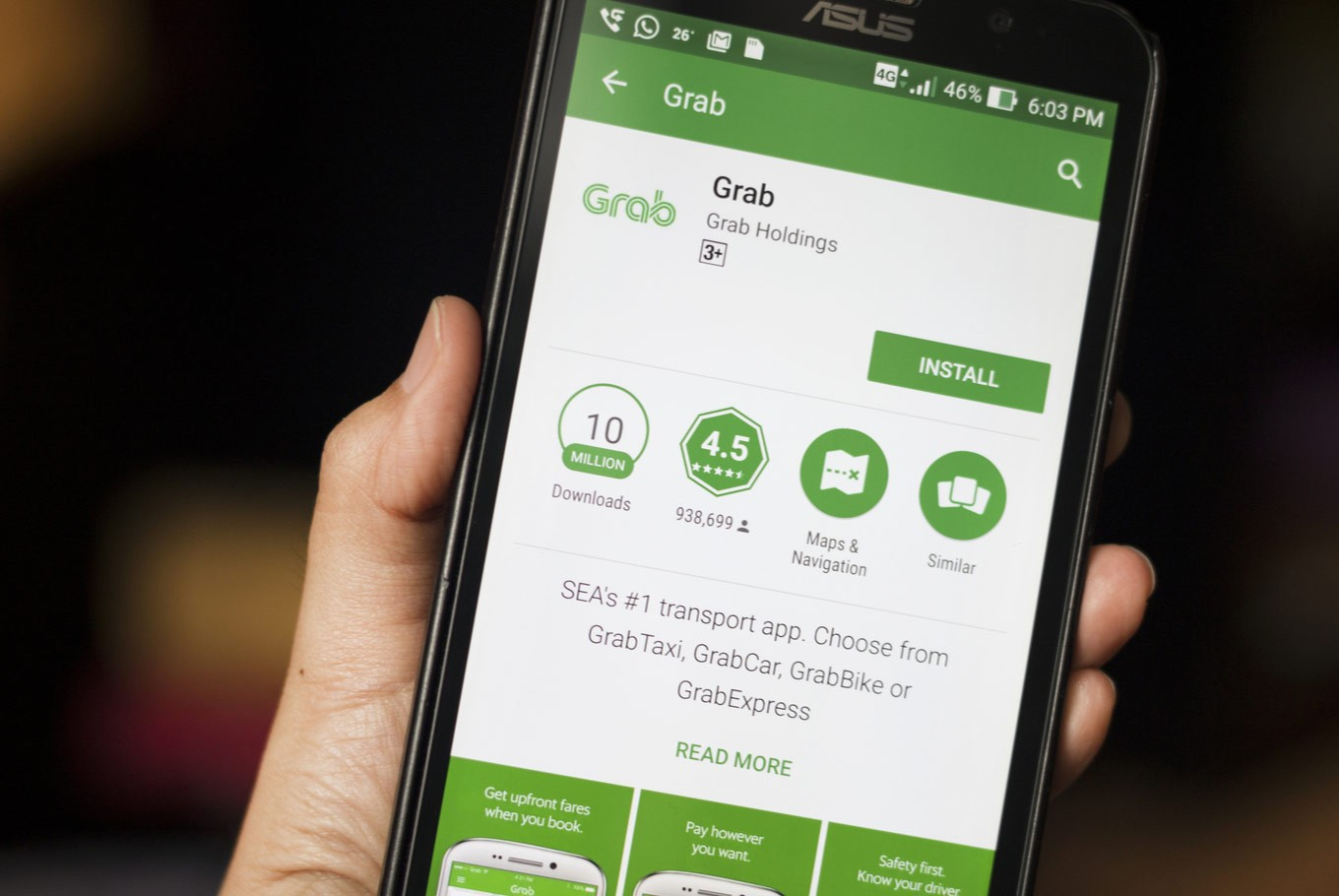
Anthony Tan didn’t need to build a business to become wealthy, having grown up in one of Malaysia’s richest families. But his ambition to make a societal impact led him to co-found Grab, now a dominant super app in Southeast Asia, generating over $2 billion in annual revenue by 2023. From humble beginnings, Grab now offers services ranging from ride-hailing to food delivery, financial services, and beyond, transforming daily life for millions across the region.
From Elite to Entrepreneur
Born into one of Malaysia’s wealthiest families, Anthony Tan’s father, Tan Heng Chew, is the president of Tan Chong Motor, an automotive giant in Malaysia. Despite the easy path laid out for him in the family business, Tan was driven by a different mission. “I was on a mission to create something that could be a force for good,” Tan recalled. That mission would eventually lead to the founding of Grab, a platform that now serves over 35 million customers and provides gig jobs to 13 million workers across eight countries in Southeast Asia.
A Harvard Idea Born from a Problem
The idea for Grab was sparked while Tan was studying at Harvard Business School in 2009, where he met his co-founder Hooi Ling Tan. The two bonded over their shared Malaysian roots and a common frustration with the unsafe taxi system in Malaysia, particularly for women. They saw an opportunity to tackle this issue and began working on a business plan.
In 2011, their business plan won first runner-up at a startup contest, netting them $25,000 in seed money, which they used to launch what would later become Grab, initially called MyTeksi.
Overcoming Resistance
Despite his vision, Tan faced resistance from his family. When he pitched his idea to his father, it was rejected. “My father said, ‘I don’t think it’s going to work out, so please don’t disturb me about this anymore,’” Tan shared. However, with perseverance, he refined his pitch and took it to his mother, who became his first individual investor. Tan also invested all of his savings to officially launch MyTeksi in 2012.
Early Struggles and ’20-Hour’ Workdays
The first few years of running the business were far from glamorous. The company’s first office, located in Kuala Lumpur, lacked basic amenities like air conditioning, ventilation, and WiFi. “We had to tether from our mobile phones,” Tan recalled.
Convincing taxi drivers to join the platform was a significant challenge, especially with limited funds. To get drivers on board, Tan traveled across Southeast Asia, waking up at 4 a.m. to hand out free coffee to taxi drivers in places like Ho Chi Minh City, Vietnam, and spending time with drivers over cheap beer to understand their challenges. This relentless effort resulted in 20-hour workdays, seven days a week, as Tan flew between two or three cities each week, building the business from the ground up.
Grab’s Dominance and Uber’s Exit
In 2018, Grab cemented its dominance in Southeast Asia by acquiring Uber’s Southeast Asia business in exchange for a 27.5% stake in Grab. This deal not only removed Grab’s biggest competitor in the region but also added Uber’s CEO, Dara Khosrowshahi, to Grab’s board of directors.
However, Grab’s rise has not been without controversy. The company has faced antitrust allegations from regulators who claim Grab’s dominance has led to anti-competitive practices. Despite these challenges, Grab has continued to expand its services and influence.
Impact on Southeast Asia
Grab’s impact extends beyond transportation. It has helped build new economic infrastructure in Southeast Asia, empowering individuals with access to micro-financing programs that enable them to purchase smartphones and become Grab drivers. This initiative has been particularly effective in helping those “at the bottom of the pyramid,” providing new job opportunities and income streams.
During a meeting with former Philippine President Ferdinand Marcos, Tan was reminded of Grab’s broader impact: “[Grab] literally changed the unemployment numbers nationally.” Today, the super app continues to reshape how people across Southeast Asia access essential services, from transportation to digital banking.
A Mission of Service
For Tan, Grab’s success lies in its focus on solving real problems for underserved communities. “It’s all about really helping them, serving them as an ecosystem that nobody else can,” he said. This mission has driven Grab’s transformation from a small startup into a $14 billion company, backed by investors like SoftBank.
Tan’s journey exemplifies the power of perseverance, creativity, and a relentless work ethic, proving that even the wealthiest backgrounds can serve as a foundation for building something far greater—a company that changes lives and drives economic progress across an entire region.