Yazılar

Grab Eyes Q2 Acquisition of Indonesian Rival GoTo in $7 Billion Deal, Raising Antitrust Concerns

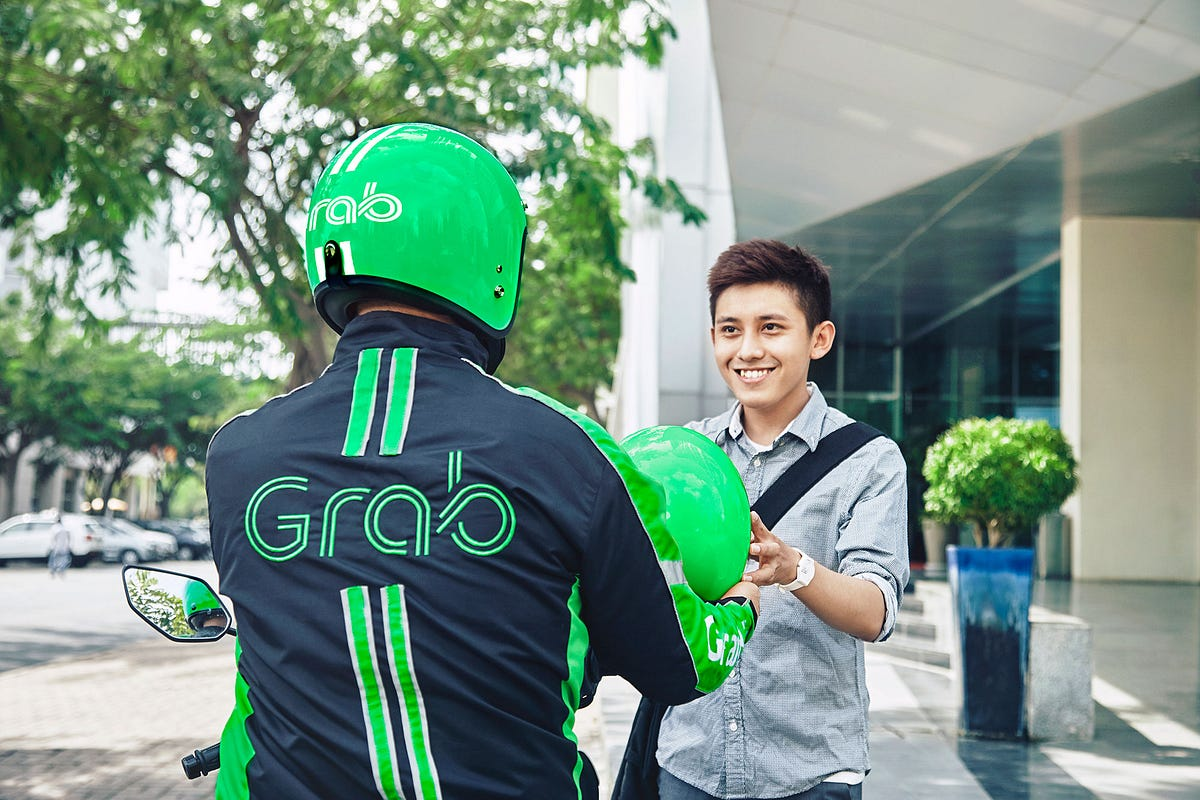
Grab Holdings is working toward a deal to acquire Indonesian rival GoTo in the second quarter of 2025, in a move that could dramatically reshape Southeast Asia’s ride-hailing and delivery landscape, sources familiar with the matter told Reuters. The proposed deal, valued at around $7 billion, is currently under negotiation with advisors and banks, and remains subject to financing terms.

Grab, which is headquartered in Singapore and listed on the Nasdaq, seeks to acquire GoTo’s international unit in Singapore, as well as its entire Indonesian operations excluding its finance arm, sources said. GoTo, which provides e-commerce, food delivery, and digital financial services, is backed by SoftBank and Taobao China Holding and is widely seen as Indonesia’s largest digital ecosystem.

A deal between the two would result in a dominant regional player controlling an estimated 85% of Southeast Asia’s $8 billion ride-hailing market, according to Euromonitor International. In Indonesia, the merged entity would hold over 91% market share, and nearly 90% in Singapore, raising significant antitrust concerns.

Markets, especially in Indonesia and Singapore, will impose strict scrutiny,”
said David Zhang, Euromonitor’s insights manager for Asia, noting the high likelihood of regulatory blocks in key markets.

Still, some analysts believe Indonesian regulators may adopt a more pragmatic stance. According to Niko Margaronis of BRI Danareksa Sekuritas, authorities might weigh the long-term economic value and competitive strength that could result from consolidating two major tech players.

This potential merger follows increased regulatory pushback against consolidation in Asia’s digital services sector. In March, Uber dropped a $950 million bid for Delivery Hero’s Foodpanda in Taiwan after authorities blocked the deal on anti-competition grounds.

Grab, backed by Uber, offers delivery, ride-hailing, and financial services across Southeast Asia. Its shares are up 2.4% year-to-date, with a market value of nearly $20 billion, while GoTo has seen a 20% rise in 2024, reaching a market value of about $5.8 billion, per LSEG data.

Both Grab and GoTo declined to comment on the report.
Grab Seeks $2 Billion Loan for Potential GoTo Acquisition, Merger Talks Ongoing

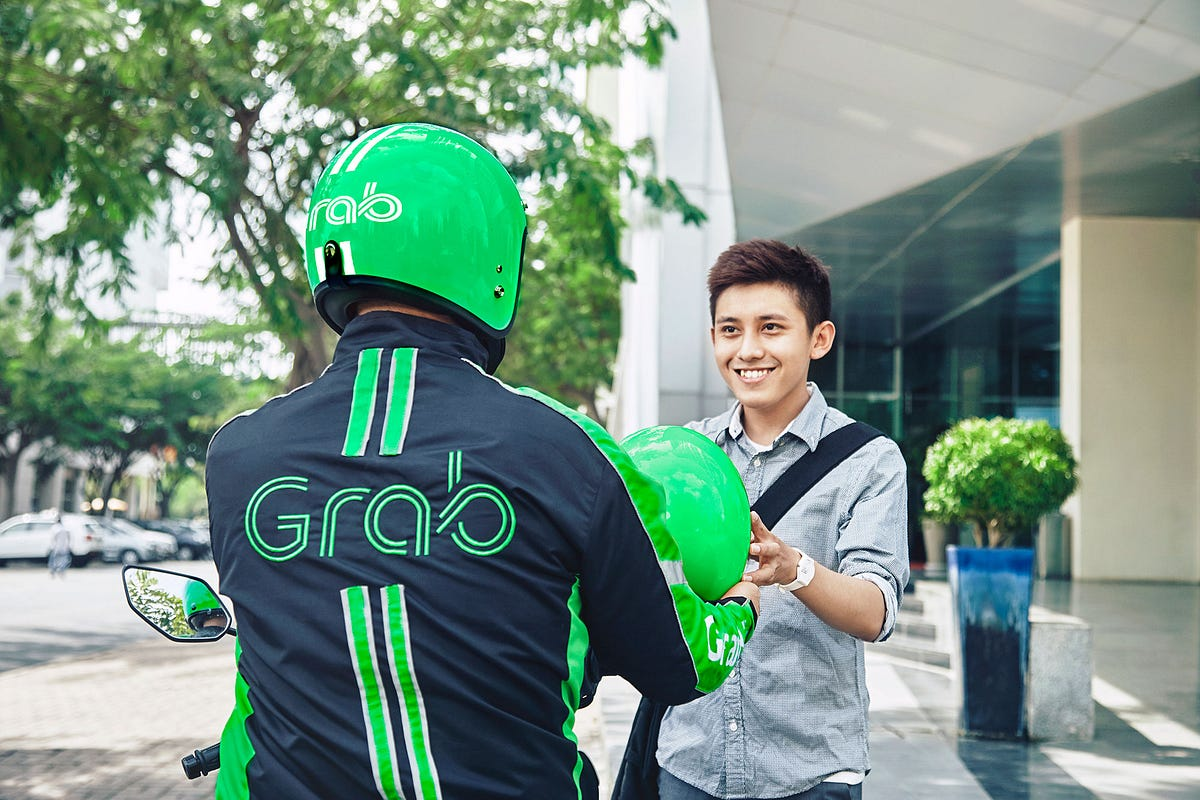
Grab, the Singapore-based ride-hailing and food delivery giant, is reportedly in discussions to secure a loan of up to $2 billion to support its potential acquisition of Indonesia’s GoTo. The deal, which could be a bridge loan with a 12-month term, would help facilitate the merger between Grab and GoTo, two major players in the Southeast Asian market.

Loan and Funding Options

According to Bloomberg News, Grab’s loan negotiations are in the early stages, and the company is also exploring additional financing options, including bonds or equity financing, after securing the bridge loan. This move comes as Grab looks to strengthen its position in the region’s competitive ride-hailing and food delivery sectors.

GoTo’s Stance and Uncertainty

GoTo, the parent company of the Indonesian ride-hailing and food delivery platform Gojek, has declined to comment on the reports regarding the potential deal. While merger talks between Grab and GoTo have been ongoing, there has been no official agreement or announcement. Last week, GoTo clarified that it had not entered into any binding agreements concerning a potential transaction, despite media reports indicating that Grab was moving forward with the acquisition.

Competition Concerns

The proposed merger between Grab and GoTo has raised concerns among regulatory authorities, particularly regarding competition in the Southeast Asian market. Both companies are major players in the ride-hailing and food delivery space, and the combination of their services could lead to a dominant position in the market. The Singapore Competition and Consumer Commission (CCCS) has confirmed that it has not received any formal notification from Grab or GoTo regarding the potential merger.

Broader Implications for Southeast Asia’s Market

The potential acquisition of GoTo by Grab is seen as a significant move in the ongoing consolidation within Southeast Asia’s competitive ride-hailing and delivery market. Grab’s backing from Uber has made it a formidable competitor, and the merger with GoTo could further solidify its dominance. However, regulatory hurdles and competition concerns may continue to affect the progression of the deal.

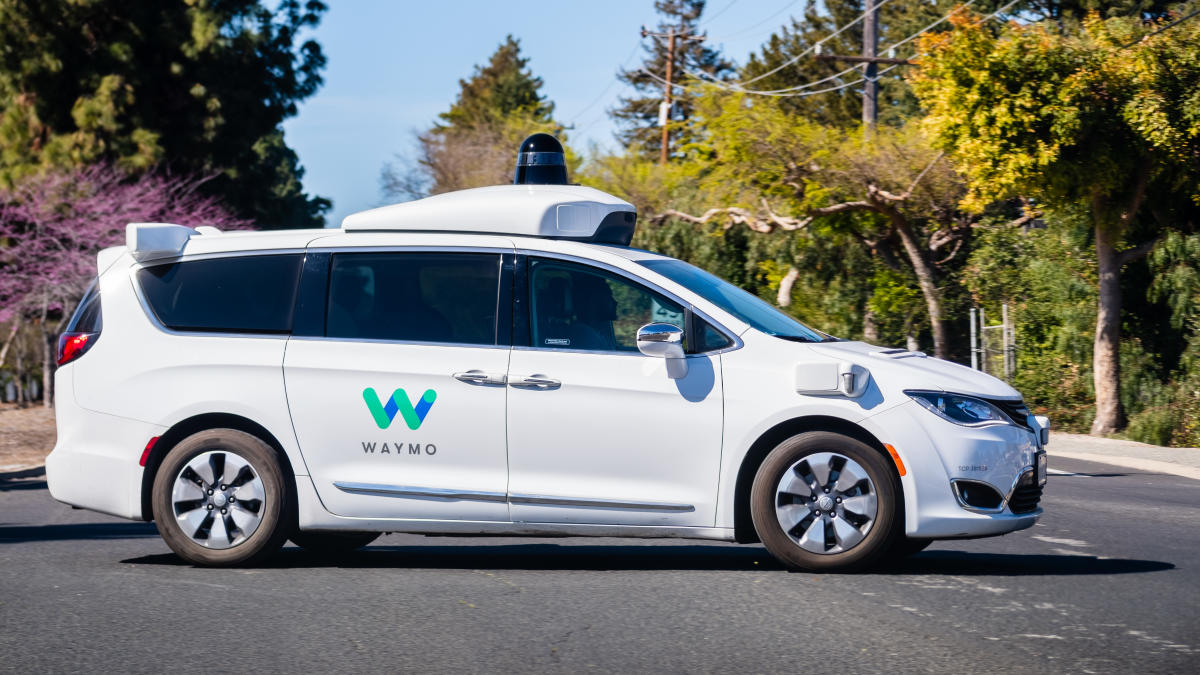
Waymo Targets 2026 Launch of Autonomous Ride-Hailing Service in Washington, D.C.

Alphabet’s self-driving division, Waymo, has announced its plans to roll out its fully autonomous ride-hailing service in Washington, D.C. by 2026. The company, which has already expanded its service to several major U.S. cities, aims to introduce its driverless technology to the U.S. capital in the coming year.

Expanding Autonomous Services to Washington, D.C.

Waymo has been progressively moving its self-driving vehicles to Washington, D.C. since January, with more vehicles expected to be deployed over the coming weeks. While the city currently does not allow for fully autonomous vehicles without a human behind the wheel, Waymo intends to work closely with local policymakers to develop the necessary legal framework for the service.

Waymo One, the company’s self-driving ride-hailing service, has already gained significant traction in other cities, including San Francisco, Phoenix, Los Angeles, and Austin, where it provides over 200,000 paid trips weekly. The company plans to expand to Atlanta and Miami next before launching in Washington, D.C.

Regulatory Challenges and Funding

The announcement comes amid growing interest in autonomous vehicle deployment, especially in Washington, D.C., where federal regulators and lawmakers are located. Tech companies, including Waymo, have urged the government to expedite vehicle approvals and establish clearer regulations for autonomous vehicles.

In October 2024, Waymo closed a $5.6 billion funding round led by its parent company, Alphabet, which will help support the expansion of its self-driving services despite ongoing safety concerns raised by regulators.

Safety Concerns and Recalls

Waymo’s autonomous vehicles have faced scrutiny from the National Highway Traffic Safety Administration (NHTSA), which opened an investigation in May 2024 after receiving multiple reports of the company’s robotaxis exhibiting unexpected behavior, including traffic violations and collisions. In response to these incidents, Waymo issued several recalls, including a recall in June 2024 of 672 vehicles after one of its driverless cars hit a utility pole in Phoenix.

Despite these challenges, Waymo claims that based on data from over 50 million rider-only miles (80.5 million kilometers), its vehicles have been involved in 81% fewer injury-causing crashes compared to average human drivers.

Conclusion

Waymo’s plans for the 2026 launch of its autonomous ride-hailing service in Washington, D.C. represent a significant milestone in the development of self-driving technology. While the company faces regulatory hurdles and safety concerns, it continues to push forward with its vision for a future without human drivers.