Yazılar

Emails reveal regulators were alarmed and confused by Musk’s Bay Area “robotaxi” claims

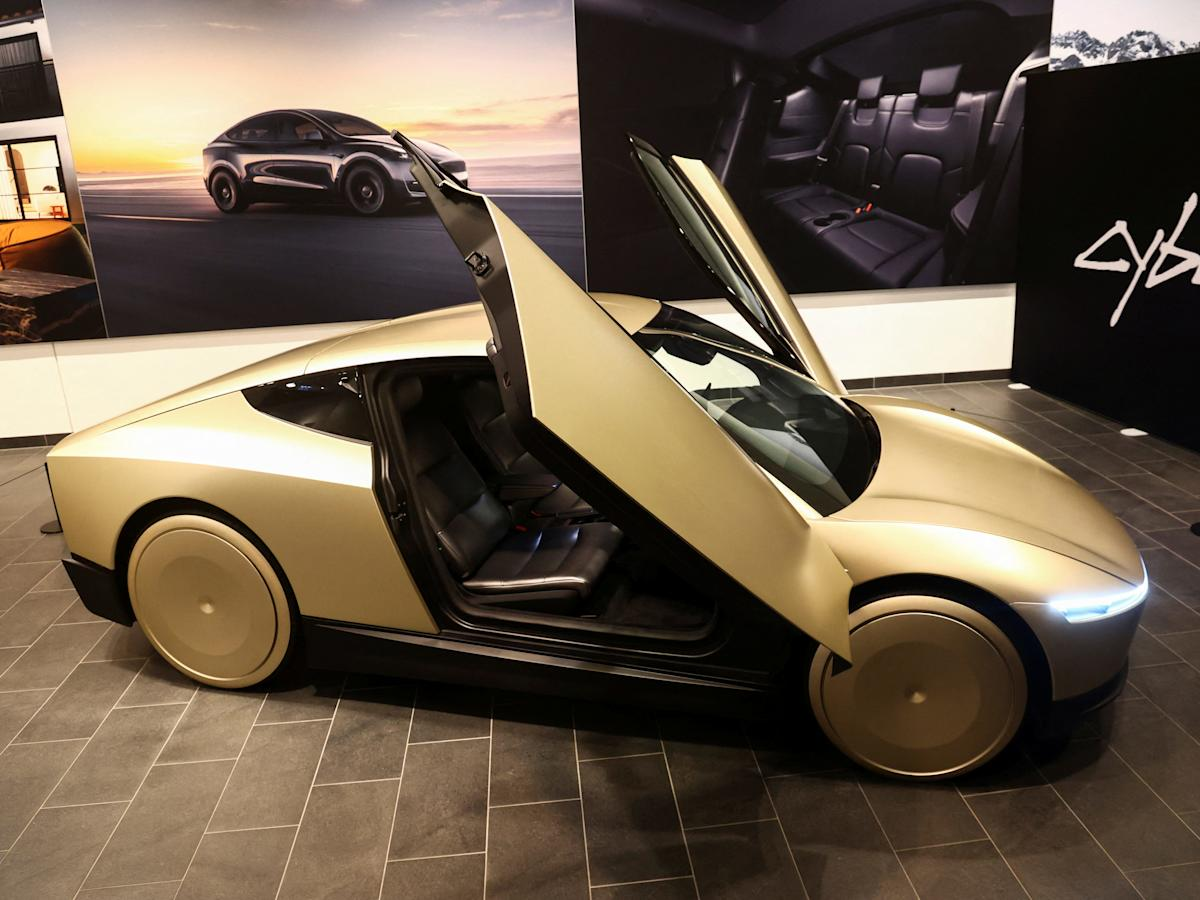
Tesla’s promised “robotaxi” rollout in the San Francisco Bay Area wasn’t driverless at all—and regulators were blindsided. Emails obtained via public-records requests show California and U.S. officials were alarmed after Elon Musk publicly suggested Tesla was “getting the regulatory permission to launch,” even though the company had not applied for the permits required to test or operate autonomous taxis in California. Tesla’s actual plan was invite-only rides in human-driven vehicles under a limousine-style permit that doesn’t allow on-demand robotaxis.

Officials at the California Public Utilities Commission and NHTSA pressed Tesla to clarify public statements to avoid “public confusion.” Tesla’s policy staff told the state it would inform customers “when available” and generally doesn’t respond to press, while Musk continued to tout robotaxi scale on X and to blur the term with Tesla’s “Full Self-Driving” driver-assist feature that still requires an attentive human driver.

The regulatory skepticism comes as Tesla pushes for rapid robotaxi expansion and seeks to test in permissive states such as Arizona and Nevada, where approvals for autonomous testing with safety drivers are advancing—still far from fully driverless commercial operations. California authorities reiterate that separate DMV and CPUC permits are prerequisites for any paid driverless service in the state, and Tesla hasn’t obtained them.

Beyond the Bay Area episode, the gap between marketing and regulatory filings will matter more as investors weigh Musk’s ambitious timelines against legal guardrails. Agencies say Tesla must “properly and accurately” describe services—clearly distinguishing human-driven pilots from autonomy—if it wants to avoid enforcement headaches as it scales.

Tesla gains approval to test robotaxis in Arizona

Tesla has secured approval from the Arizona Department of Transportation to begin testing autonomous robotaxi vehicles in the Phoenix metro area, the agency confirmed Friday. The trials will initially involve cars equipped with safety drivers to monitor operations.

Tesla applied for the permit in June as part of CEO Elon Musk’s plan to launch an autonomous ride-hailing service that could reach half of the U.S. population by the end of the year. While no start date or trial duration has been disclosed, Arizona’s approval marks a significant expansion of Tesla’s robotaxi testing beyond its limited pilot in Austin, Texas, launched earlier this year.

In Austin, Tesla trialed about a dozen vehicles under strict conditions, including a safety monitor in the front passenger seat and a select group of passengers. The Arizona expansion puts Tesla into one of the nation’s most competitive self-driving markets, where Waymo and Cruise have already been testing robotaxi services.

The approval reflects growing state-level support for autonomous vehicle experimentation, even as federal regulators continue to scrutinize safety and data transparency. For Tesla, success in Arizona could provide critical validation for its long-promised robotaxi ambitions.

Uber Bets on Loyalty Program to Drive Growth, Unveils $20 Billion Buyback Plan

Uber (UBER.N) announced a $20 billion stock buyback program and raised its third-quarter gross bookings forecast above Wall Street expectations on Wednesday, fueled by strong adoption of its paid loyalty program, Uber One.

The $9.99-per-month Uber One membership surged 60% year-on-year in June to over 36 million members, who now account for more than one-third of Uber’s bookings. These loyal users are especially valuable as they engage with both ride-hailing and delivery services, generating over three times the profit compared to single-service users.

To boost Uber One sign-ups, the company hosted a week-long promotional event in May offering discounts across rides, food delivery, and groceries, adding half a million new members during that period. Uber’s stock has soared 48% so far this year, though it dipped about 1% in early trading following the announcement.

Uber expects third-quarter gross bookings—the total dollar value of transactions—to range between $48.25 billion and $49.75 billion, beating analyst estimates of $47.3 billion. This follows an 18.2% year-on-year increase in second-quarter gross bookings, driven by 24.6% growth in delivery and 18.8% in mobility services.

The company also reported a rise in net income to 63 cents per share in Q2 from 47 cents a year earlier, matching expectations. Adjusted core profit for the current quarter is forecast between $2.19 billion and $2.29 billion, above analyst consensus.

Uber is leveraging subscription products like the $2.99 monthly “Price Lock Pass,” which offers fixed pricing on select routes, to encourage habitual weekday commuting, now available in over 10 U.S. and Brazilian cities.

Looking ahead, Uber is expanding in autonomous vehicle technology through over 20 partnerships, including recent deals with EV maker Lucid and startup Nuro, despite not owning its own robotaxi technology.

This latest buyback authorization supplements a previously approved $7 billion program from early 2024.