Yazılar

GoTo Achieves First Full-Year Profit, Targets Strong Growth in 2025

Indonesia’s largest tech conglomerate, PT GoTo Gojek Tokopedia (GoTo), has reported its first-ever full-year underlying profit and forecasted significant growth for 2025. The company, which operates in ride-hailing, food delivery, logistics, and financial services, expects a sharp increase in its core earnings (adjusted EBITDA) next year.

Financial Milestones

  • 2024 underlying profit: 327 billion rupiah (~$20 million), reversing a 3.67 trillion rupiah loss from the previous year.
  • 2025 adjusted EBITDA forecast: 1.4 trillion to 1.6 trillion rupiah (~$85-97 million), signaling a sharp profitability surge.
  • Financial technology segment: Earnings soared 70% in 2024, driven by GoPay’s expanding user base and growing loan book.

CEO’s Outlook

GoTo Group CEO Patrick Walujo attributed the strong performance to rising user numbers and growing demand across its digital services. “We saw a significant increase in our user numbers throughout the year and expect this to continue into 2025,” he stated.

Merger Speculation

Amid industry consolidation rumors, GoTo was linked to a potential merger with Southeast Asian rival Grab. While the company denied any active talks, Walujo signaled openness to deals that enhance shareholder returns in the long term.

Backed by SoftBank Group and Singapore’s GIC, GoTo continues to solidify its position as a dominant player in Southeast Asia’s digital economy, with a strong focus on profitability and expansion in 2025.
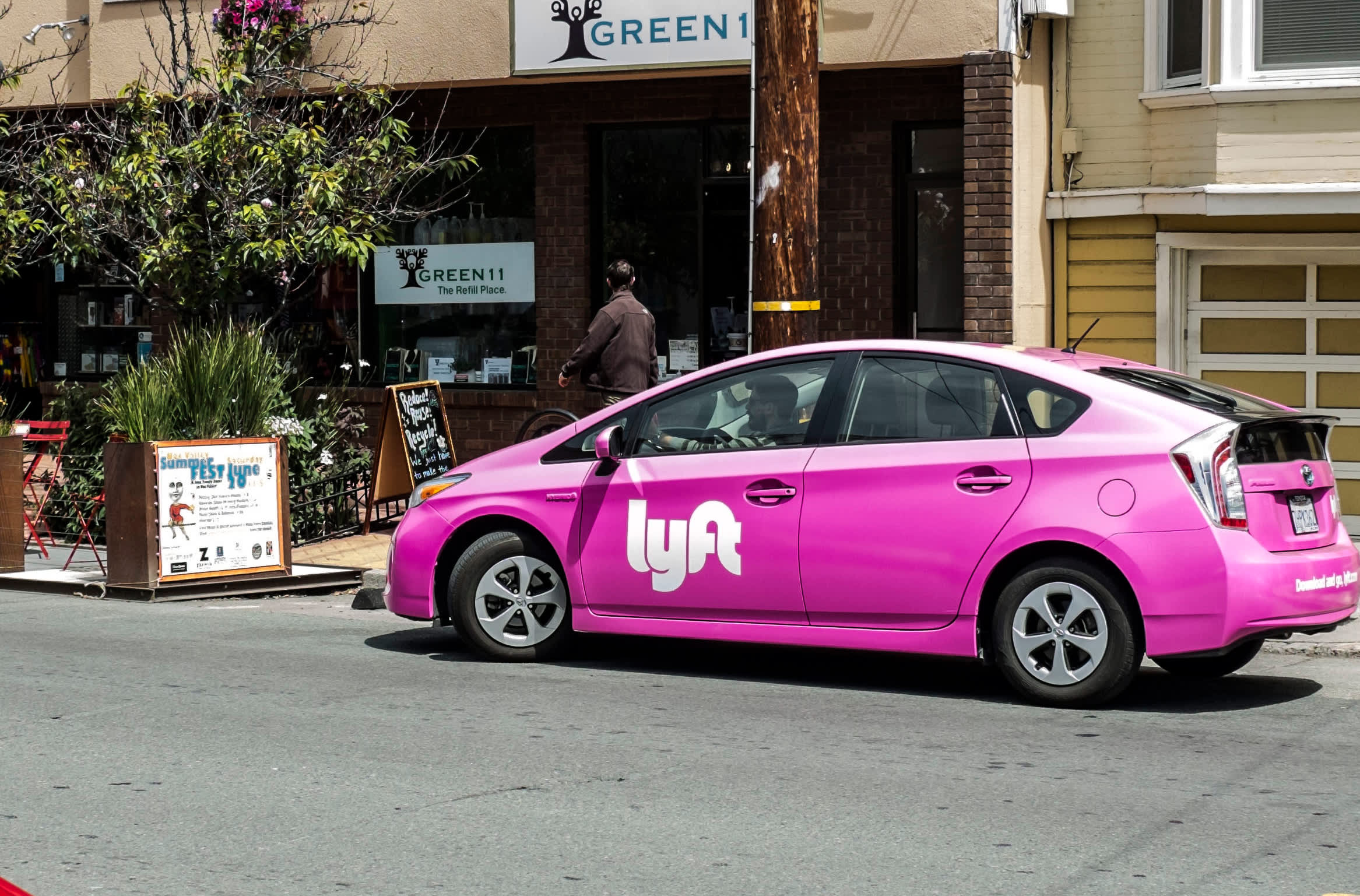
Lyft Shares Drop as Price Cuts Persist Amid Ongoing Competition with Uber

Lyft (LYFT.O) shares fell 9% on Wednesday after the company announced that pricing trends from late 2024 are likely to continue in 2025, driven by its efforts to stay competitive with rival Uber. Lyft has been cutting fares and offering more discounts to attract riders and drivers.

During its fourth-quarter report on Tuesday, Lyft revealed that fares fell late last year and have remained low in early 2025. In contrast, Uber stated last week that it expects slight price increases for its UberX service this year as it passes rising insurance costs on to consumers.

Lyft has been using coupons and fare reductions to retain market share. However, Bernstein analysts highlighted that U.S. rideshare companies are reallocating incentives, reducing driver incentives to fund customer promotions—a strategy that could work if properly balanced.

Lyft emphasized that it has flexibility in adjusting incentives to ensure marketplace balance, with a strong driver base currently on its platform. However, analysts at Needham cautioned that extended price cuts could test the industry’s price elasticity and overall demand.

Following Lyft’s fourth-quarter results, at least 13 brokerages lowered their price targets for the company, with a median target of $18, according to LSEG data. The company also projected gross bookings below Wall Street estimates, mirroring Uber’s recent guidance.

Lyft’s forward 12-month price-to-earnings ratio stands at 13.4, compared to Uber’s 29.4. While Lyft’s shares fell 13.9% in 2024, they have risen 11.6% so far this year. However, if the current share decline holds, Lyft’s market capitalization is expected to drop by over $500 million to around $5.4 billion. Uber’s shares were also down about 3% on Wednesday.

Lyft to Launch Mobileye-Powered Robotaxis in Dallas by 2026

Lyft (LYFT.O) has announced plans to roll out fully autonomous robotaxis in Dallas, powered by Mobileye’s technology (MBLY.O), “as soon as 2026,” according to CEO David Risher. The announcement led to a 4.6% rise in Lyft’s shares, while Mobileye’s stock surged by 17%.

As automakers and tech companies heavily invest in driverless technology, the move is seen as a significant step toward the future of mobility. Lyft’s larger competitor, Uber (UBER.N), has already partnered with Waymo, Alphabet’s self-driving unit, which plans to launch a self-driving taxi service in Austin, Texas, exclusively on Uber’s platform next month.

Marubeni, a Japanese conglomerate experienced in managing fleets, will finance and own the Mobileye-equipped vehicles, which will be available for rides through Lyft’s app. This partnership follows Mobileye’s announcement in November that it would collaborate with Lyft to bring autonomous vehicles to the ride-hailing network.

Waymo has already expanded its autonomous ride-hailing service to several cities, including Miami, Phoenix, Los Angeles, San Francisco, and Austin, with further plans for expansion in 2025. Meanwhile, Tesla (TSLA.O) is set to begin testing its driverless technology in Austin this June, though it has not yet outlined details for a paid service. Lyft’s robotaxi plans were first reported by TechCrunch.