Yazılar

Tesla’s U.S. EV Market Share Falls Below 40% for First Time Since 2017

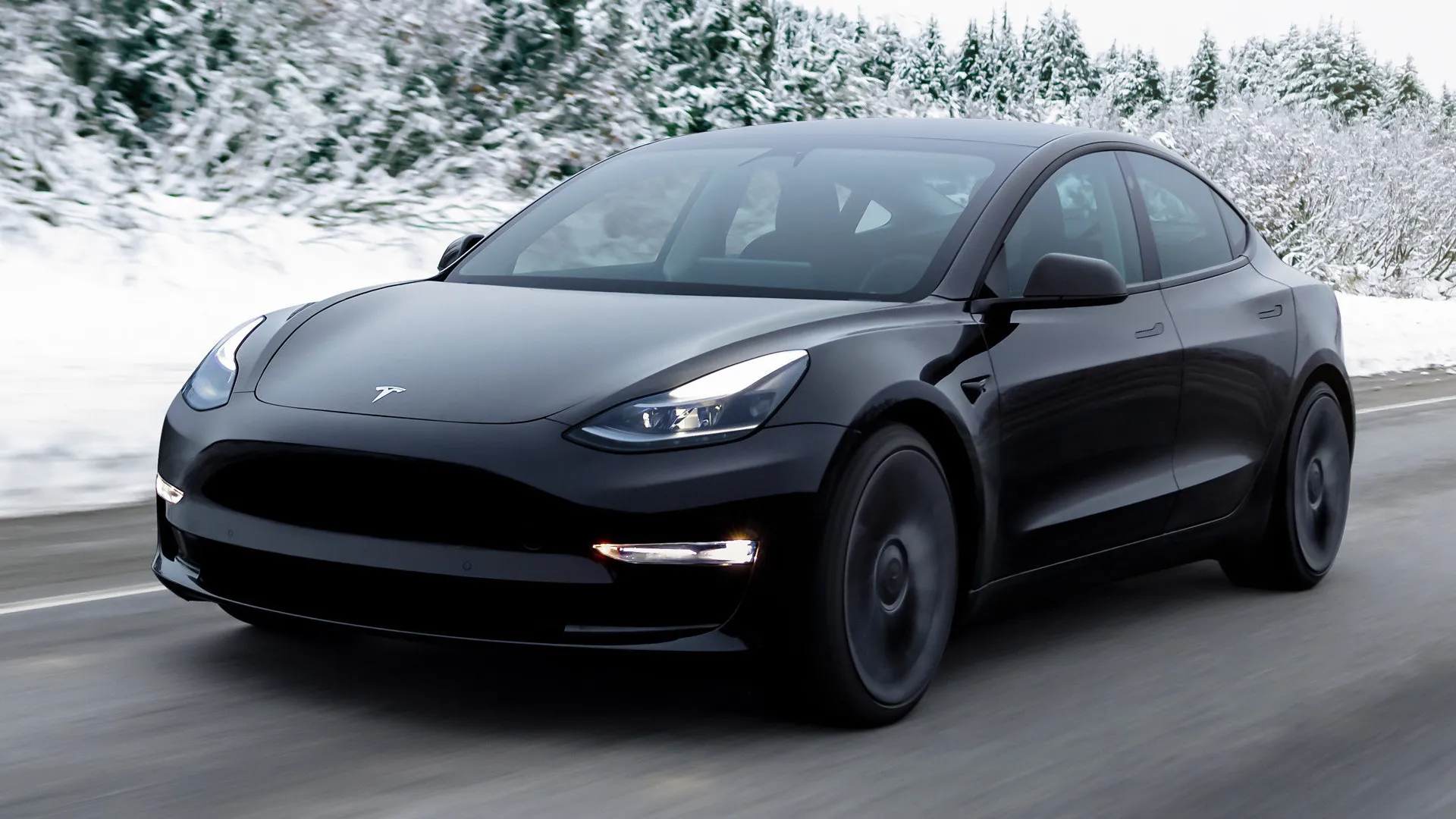
Tesla’s U.S. market share dropped to 38% in August, its lowest level since 2017, as rivals gained ground with aggressive incentives and fresh EV lineups, according to exclusive data from Cox Automotive shared with Reuters. The milestone marks the first time Tesla has fallen below the 40% threshold since it was ramping production of the Model 3 eight years ago.

Tesla once commanded more than 80% of the U.S. EV market, but legacy automakers like Hyundai, Kia, Toyota, Honda, and Volkswagen are surging with competitive offerings, boosted by discounts, lease deals, and federal tax credit urgency. In July, rival EV sales climbed between 60% and 120%, while Volkswagen’s ID.4 deliveries jumped over 450% month-over-month.

By contrast, Tesla’s sales grew just 3.1% in August, well below the market’s 14% growth. Even with sales rising 7% in July, Tesla’s share fell sharply to 42% from 48.7% in June—the steepest drop since 2021.

Analysts warn the decline reflects Tesla’s aging lineup and its pivot away from new mass-market EVs toward robotaxis and humanoid robots. Its last major launch, the Cybertruck (2023), failed to replicate the blockbuster success of the Model 3 or Model Y. A refresh of the Model Y also fell flat with buyers.

Cox’s director of industry insights Stephanie Valdez Streaty put it bluntly: “When you’re a car company, when you don’t have new products, your share will start to decline.”

Tesla’s shrinking share comes as its board is asking investors to approve a $1 trillion pay package for Elon Musk, contingent on Tesla reaching a $8.5 trillion valuation. Meanwhile, Musk’s political entanglements with and later break from Donald Trump have added to brand challenges.

With EV tax credits set to expire at the end of September, Tesla faces a dilemma: cut prices further to chase volume and risk margins, or hold prices and cede market share. Investors and competitors alike will be watching closely as the U.S. EV market enters a decisive phase.
Tesla Board Floats Unprecedented $1 Trillion Pay Package for Elon Musk

Tesla’s board has proposed a record-breaking $1 trillion compensation package for CEO Elon Musk, an award that would dwarf any executive pay deal in history. The package hinges on Musk boosting Tesla’s valuation nearly eightfold to around $7.5 trillion over the next decade. If fully earned, it would significantly expand his voting power beyond his current 13% stake, further cementing his influence over the company.

The plan underscores Tesla’s reliance on Musk’s leadership as the company faces slowing electric vehicle demand, intensifying competition from China, and mounting pressure to deliver on its AI-driven ambitions in robotaxis and humanoid robots.

Reactions from analysts and investors have been sharply divided:

  • Supporters argue the structure ties Musk’s rewards to ambitious but potentially transformative growth targets. Some say shareholders stand to benefit if even part of the package is achieved.

  • Critics describe the scale as excessive and a sign of weak corporate governance, especially given Tesla’s recent challenges and Musk’s distractions outside the company. Concerns also loom over litigation risk, given that Musk’s prior $56 billion package was struck down by a Delaware court.

  • Others note the package reflects Tesla’s belief that Musk’s vision and presence are its most critical assets—even more than factories or technology.

The proposal has also raised alarms about precedent, with some observers warning it could normalize “adding extra zeros” to executive pay packages across corporate America. With shareholder approval and potential regulatory scrutiny ahead, the outcome could reshape both Tesla’s future and broader debates on CEO compensation.

Tesla Shares Bounce Back After $152 Billion Drop Amid Musk-Trump Fallout

Tesla shares recovered nearly 4% on Friday following a steep $152 billion market value wipeout triggered by a public spat between CEO Elon Musk and former U.S. President Donald Trump. The clash erupted over Trump’s criticism of a tax and spending bill that threatens to end the $7,500 electric vehicle (EV) tax credit by 2025, a move Musk openly opposed.

Earlier reports suggested that Musk and Trump might hold talks to ease tensions, with Musk signaling openness to a détente on his social platform, X. However, a White House official indicated that Trump was not interested in engaging with Musk. In a CNN interview, Trump dismissed Musk, saying, “I’m not even thinking about Elon,” and described him as having “got a problem.”

The conflict escalated when Trump threatened to cut government contracts with Musk’s companies, including SpaceX. Analysts warn that this feud could pose multiple risks for Tesla, especially as regulatory bodies like the U.S. Transportation Department influence the future of autonomous vehicle production—a key part of Tesla’s ambitions.

Despite the recent volatility, Tesla shares remain highly valued, trading at roughly 120 times expected earnings—far above many automakers and tech giants such as Nvidia. The stock has fallen 26.9% year-to-date, with Thursday’s 14% plunge reflecting investor concerns over Musk’s increasingly polarizing political stance.

Since Musk publicly supported Trump’s 2024 presidential bid last July, Tesla’s stock has experienced wild swings. Initial optimism about reduced regulatory burdens for robotaxis gave way to softness in vehicle sales and brand damage related to Musk’s politics. While initial hopes were that strong sales among Republican voters would balance out losses from liberal consumers, experts now warn that Musk’s confrontational posture risks alienating both sides.

“By alienating Republicans, Musk risks losing any remaining support, potentially triggering a collapse in Tesla’s brand perception,” said Evan Roth Smith, political strategist and co-founder of Slingshot Strategies.

Tesla did not immediately respond to requests for comment.