Yazılar

Putin Hails ‘Very Close’ Ties With Iran Amid Rising Middle East Tensions

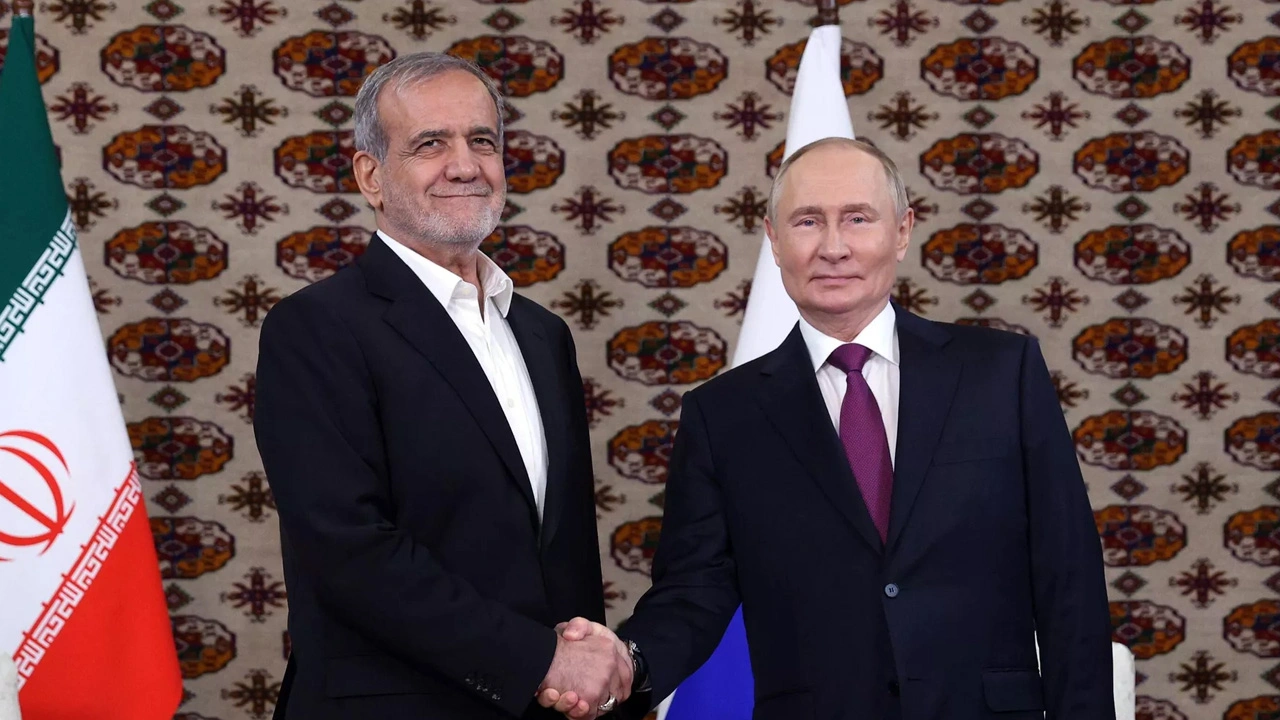
Russian President Vladimir Putin met with his Iranian counterpart, Masoud Pezeshkian, for the first time at a regional summit in Turkmenistan’s capital, Ashgabat. This meeting underscored the growing strategic partnership between the two nations at a critical time of heightened tensions in the Middle East. Both Russia and Iran face extensive sanctions, and their deepening cooperation, particularly in the military sphere, has become more pronounced since Russia’s invasion of Ukraine in February 2022.

Putin highlighted the close alignment of the two countries’ worldviews during the meeting, stating, “We are actively working together in the international arena and our assessments of events taking place in the world are often very close.” This marks a notable strengthening of their alliance, driven largely by their shared experience of global isolation and sanctions, as well as their increasing reliance on each other.

Strengthening Military Cooperation

Iran has played a key role in bolstering Russia’s military capabilities. Since the onset of the Ukraine war, Iran has supplied Russia with thousands of Shahed attack drones, and reports from U.S. officials suggest Iran has even built a drone factory in Russia. In a significant escalation of support, Tehran has also transferred short-range ballistic missiles to Moscow, according to a CNN report from September 2023.

This cooperation is part of a broader de facto military alliance between the two countries, which also extends to their joint support of Syrian President Bashar al-Assad’s regime. The partnership is further solidified by mutual interests in evading international sanctions, with analysts suggesting that Russia sees Iran as a key example of how to maneuver around these economic constraints.

Iran’s New Leadership and Its Role in Expanding Ties

The meeting comes amid a transition in Iran’s leadership, following the election of reformist Masoud Pezeshkian, who took office after the sudden death of President Ebrahim Raisi in a helicopter crash. Pezeshkian has been vocal about his desire to enhance relations with Russia, viewing the partnership as a means to resist the “cruel” sanctions imposed by the West. During a meeting with Russian Prime Minister Mikhail Mishustin last week, Pezeshkian stressed the importance of speeding up joint projects between the two nations, while Russia expressed interest in diversifying its trade with Iran.

Both countries are expected to further solidify their cooperation during the upcoming BRICS summit in Russia, where they are anticipated to sign a comprehensive strategic agreement. Iran formally joined the BRICS group earlier this year, signaling its commitment to deepening relations with major emerging economies and countering Western influence.

Middle East Conflicts and Arms Transfers

Amid these diplomatic moves, tensions in the Middle East continue to simmer, particularly after Tehran’s largest-ever missile attack, which has set the stage for a potential Israeli response. Analysts have pointed out that while the Iran-Russia relationship has grown stronger, conflicts involving Iran-backed proxies in the Middle East may not necessarily strengthen the alliance. Some argue that Russia could benefit from these conflicts, as they divert international attention away from the war in Ukraine.

Furthermore, reports have surfaced of Russian involvement in arms transfers to the Iran-backed Houthis in Yemen. Allegations have emerged that Viktor Bout, a Russian arms dealer who was exchanged in a prisoner swap for American basketball player Brittney Griner, has brokered a deal to supply $10 million worth of automatic weapons to the Houthis. Bout has denied the claims, but such developments highlight the complex entanglement of arms trades and proxy conflicts that shape the Iran-Russia relationship.

Potential Limitations and Challenges

While Moscow and Tehran have found common ground in their opposition to Western sanctions and their mutual military interests, experts caution that the relationship is not without challenges. According to Aniseh Bassiri Tabrizi, a senior analyst at Chatham House, “Russia is very much focusing on what’s going on in Ukraine,” which may limit the extent to which Moscow can provide technical and military support to Iran. She also noted that while the partnership is expected to continue growing, underlying tensions and misalignments between the two nations will likely persist.

Russia’s primary focus remains its war in Ukraine, and it may not have the resources to stretch its military capabilities much further in support of Iran. Nonetheless, the relationship is set to grow as both countries see strategic benefits in their partnership, particularly in circumventing sanctions and leveraging each other’s military expertise.

As Putin and Pezeshkian continue to emphasize their close ties, the broader geopolitical consequences of their cooperation will be closely watched, particularly in light of the ongoing conflicts in Ukraine and the Middle East.
SEC to Seek Sanctions Against Elon Musk in Twitter Takeover Probe

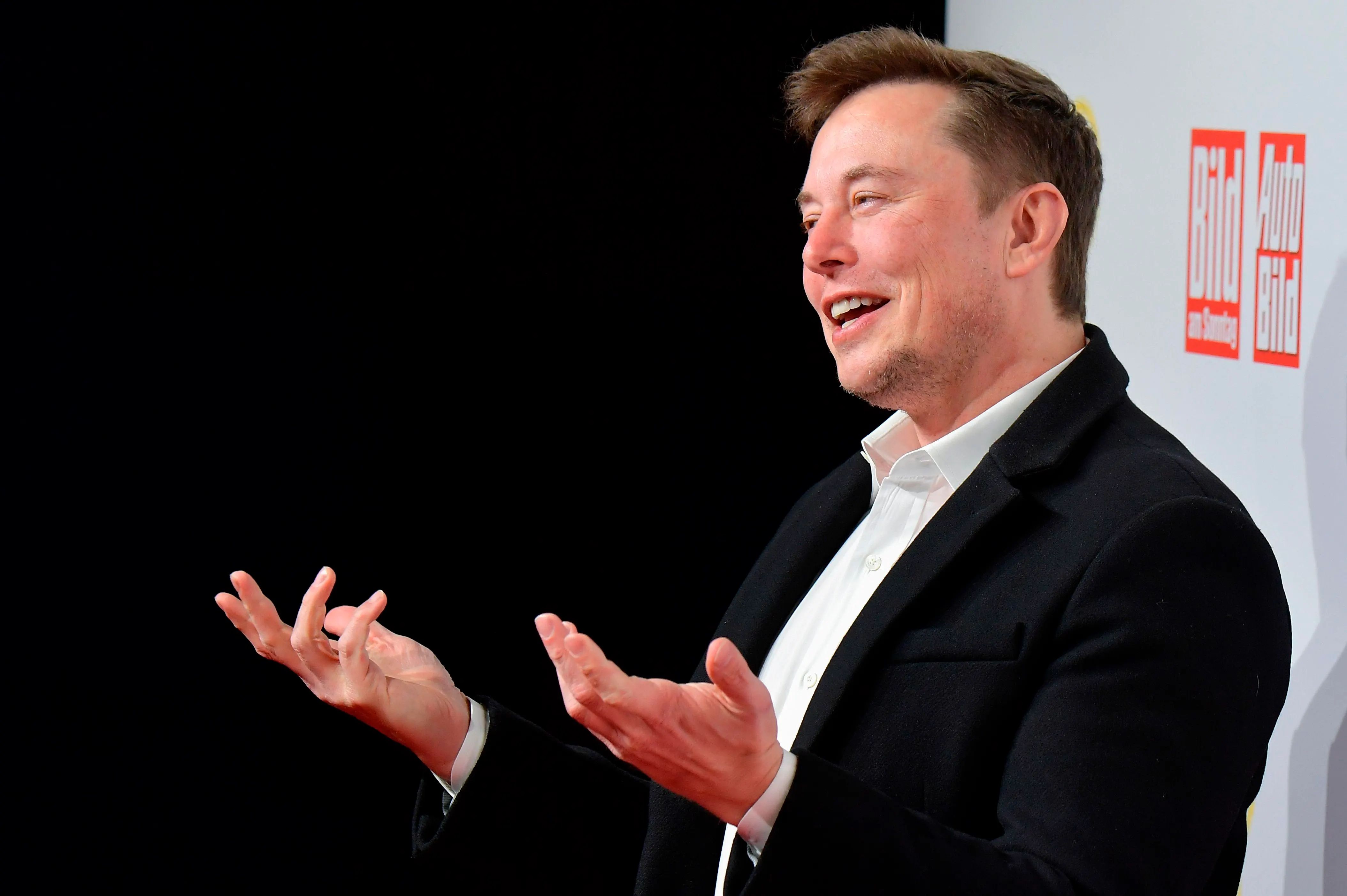
The U.S. Securities and Exchange Commission (SEC) announced its intent to seek sanctions against Elon Musk after he failed to appear for a court-ordered testimony regarding his $44 billion acquisition of Twitter. According to a filing in a San Francisco federal court, Musk notified the SEC just three hours before his scheduled September 10 testimony that he would not attend.

The SEC claims Musk’s absence is part of a broader pattern of “gamesmanship” and delay tactics, and they will be filing a motion to hold him in civil contempt. Musk, who was at Cape Canaveral overseeing SpaceX’s Polaris Dawn mission on that day, argued through his lawyer, Alex Spiro, that his absence was an “emergency” and attending the launch was critical to astronaut safety.

The SEC’s investigation centers on whether Musk violated securities laws in early 2022 when he began accumulating Twitter stock. Shareholders and regulators have criticized Musk for delaying the disclosure of his ownership stake, which eventually reached 9.2%, beyond the 5% threshold that mandates public disclosure. Musk’s defense claims the delay was an oversight and that it was “a mistake” rather than intentional wrongdoing.

This latest conflict follows a longstanding feud between Musk and the SEC, dating back to 2018 when the regulator sued him over misleading tweets about taking Tesla private. Musk settled that lawsuit by paying a $20 million fine and stepping down as Tesla’s chairman.

Musk’s testimony has been rescheduled for October 3, but the SEC remains skeptical about his compliance. The regulator is pushing for clear consequences to ensure Musk does not continue to evade their investigation.


Russia Develops Kamikaze Drone Using Chinese Engine for Ukraine War

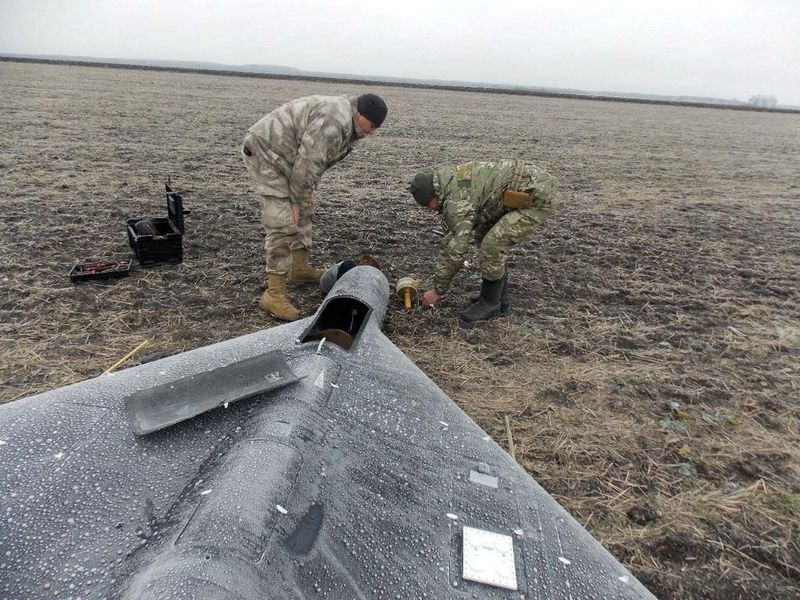
Russia has developed a new long-range kamikaze drone named Garpiya-A1, utilizing Chinese-made engines and components. According to European intelligence sources and documents reviewed by Reuters, the drone has been deployed in the ongoing conflict in Ukraine. The production of over 2,500 Garpiyas from July 2023 to July 2024 marks a shift away from Russia’s previous reliance on Iranian drone designs. The drones have been used to target military and civilian infrastructure, causing significant damage and casualties.

The drone is produced by IEMZ Kupol, a subsidiary of Almaz-Antey, Russia’s state-owned weapons manufacturer, using Chinese engines supplied by Xiamen Limbach. The engine, originally of German design, is now manufactured in China. A former cement factory in Izhevsk, Russia, is being used as the primary production facility, with the plant reportedly churning out thousands of drones in recent months.

China’s Role and International Concerns

The Garpiya-A1 bears similarities to Iran’s Shahed-136 drone but features distinct design elements like bolt-on fins and Chinese-made Limbach L-550 E engines. Although China has officially denied involvement in supporting Russia’s military activities, the export of components with potential military applications, including drones, has drawn international scrutiny. U.S. and European authorities are particularly concerned about Chinese companies continuing to supply critical parts that enable Russia to manufacture these kamikaze drones.

In July 2023, Beijing announced stricter regulations on drone exports, effective from September, while maintaining that its trade with Russia is not restricted under international law. However, NATO Secretary General Jens Stoltenberg and Western officials have urged China to halt its indirect support of Russia’s military efforts, warning that Chinese technology has prolonged the conflict.

Production and Deployment

Production of the Garpiya-A1 began in early 2023, with Kupol securing a contract worth over 1 billion rubles (€10 million) to set up the factory. Initial prototypes were tested in early 2023, with output reaching 2,000 drones in the first half of 2024. Intelligence sources identified several Chinese suppliers, including Juhang Aviation Technology and Redlepus Vector Industries, both based in Shenzhen, for providing essential parts. Juhang has been under British and U.S. sanctions for supplying drone equipment to Russia.

Customs records show that Russia imported over $36 million worth of drone-related components from Chinese suppliers between April 2022 and December 2023, fueling concerns that these imports were marked for civilian use but repurposed for military applications.

Western Reactions and Sanctions

Washington has imposed several sanctions aimed at curbing Moscow’s access to technology for military use, warning Beijing of potential consequences for continuing to support Russia’s defense sector. Despite the sanctions, the Garpiya-A1 drone is the latest example of how Russia has managed to maintain drone production using external support, raising concerns over global arms control.

With a take-off weight under 300 kilos and a range of 1,500 kilometers, the Garpiya-A1 matches the capabilities of Iran’s Shahed-136, a drone that Russia has used extensively in Ukraine. The ability to produce such drones domestically marks a significant advancement in Russia’s drone capabilities, posing new challenges for Ukraine’s defense forces.