Yazılar

Russian Ship Suspected of Transporting Iranian Missiles as Military Relations Deepen

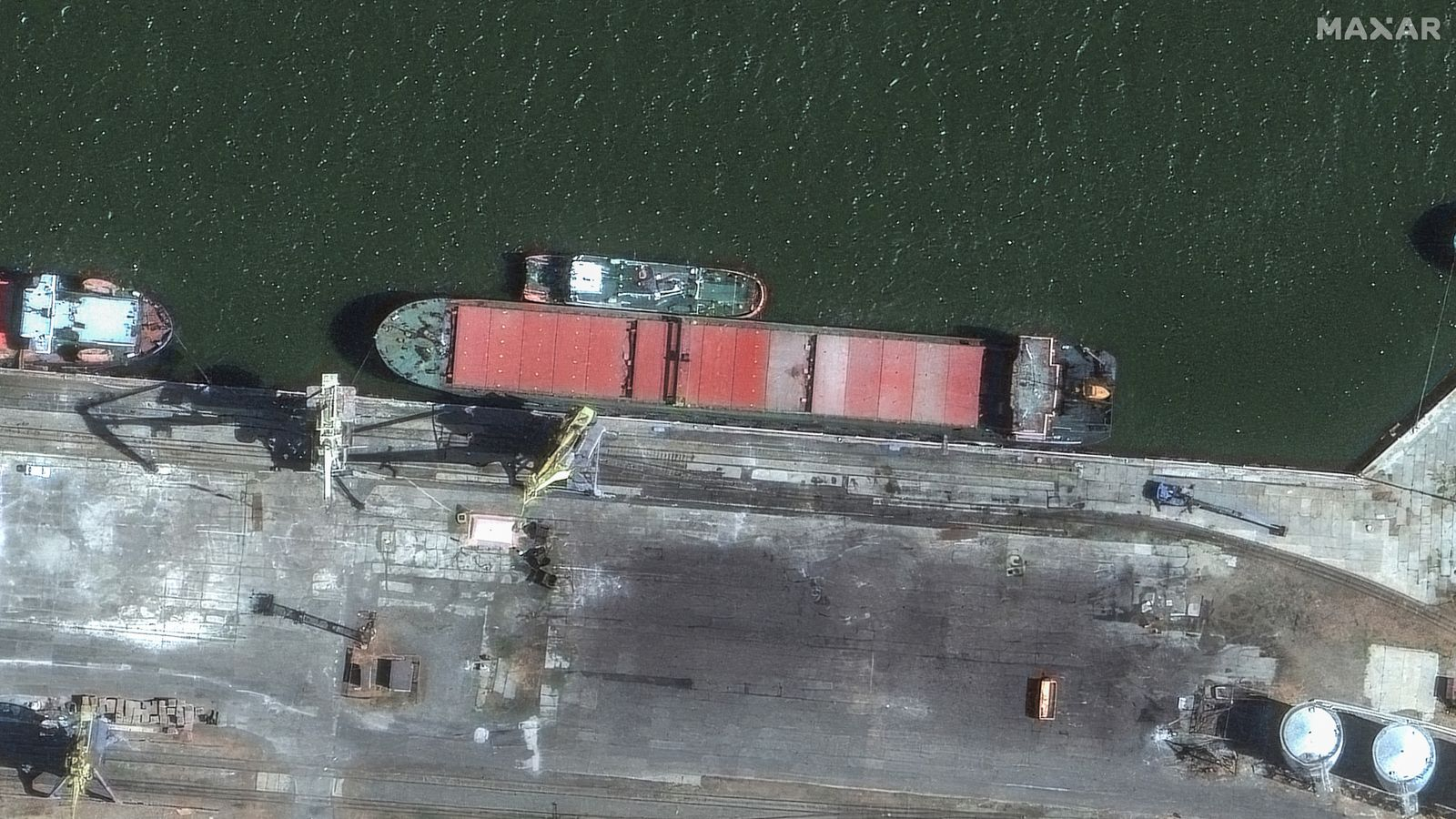
Satellite imagery from Maxar Technologies shows the Russian cargo ship Port Olya 3, suspected of delivering Iranian ballistic missiles to Russia, docked at the Port Olya in Astrakhan on September 4. This comes after the vessel’s prior visit to Iran’s Amirabad port on August 29. The US Treasury has confirmed the ship’s involvement in transporting CRBMs (close-range ballistic missiles) from Iran to Russia for use in the war against Ukraine, imposing sanctions in response.

This alleged missile shipment marks a significant escalation in Iran’s military support for Russia, which has included supplying thousands of Shahed attack drones and building a drone factory in Russia. US Secretary of State Antony Blinken revealed that the Russian military likely received Fateh-360 missiles from Iran, expected to be used in Ukraine within weeks. These missiles have a range of 120 kilometers and can carry a 150-kilogram payload, making them effective for targeting Ukrainian positions at long distances.

Despite Iran’s denial of providing ballistic missiles, US officials and the Institute for the Study of War (ISW) suggest that these missiles will likely target Ukrainian energy, military, and civilian infrastructure. Ukrainian officials summoned Iran’s charge d’affaires, warning of severe consequences if the reports prove true.

As the military partnership between Iran and Russia strengthens, it remains to be seen whether this escalation will push the US and European allies to loosen restrictions on Ukraine’s use of missiles against Russian targets.
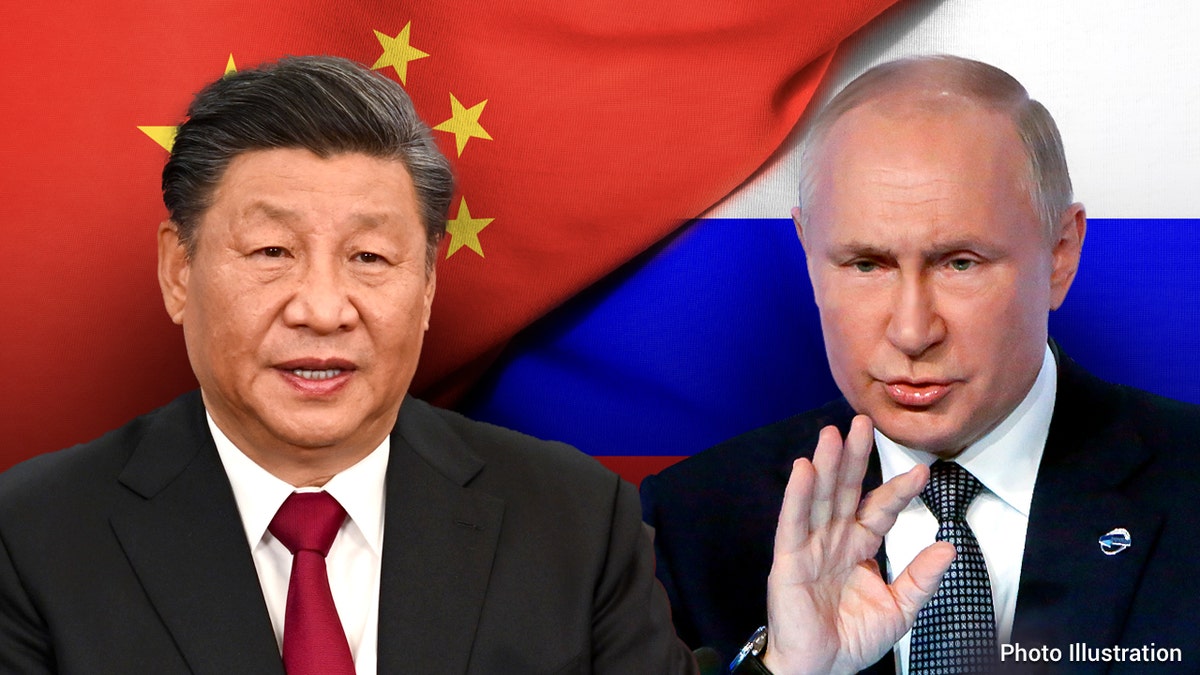
Chinese Premier Li Qiang Visits Russia to Strengthen Ties Amid Ukraine Conflict

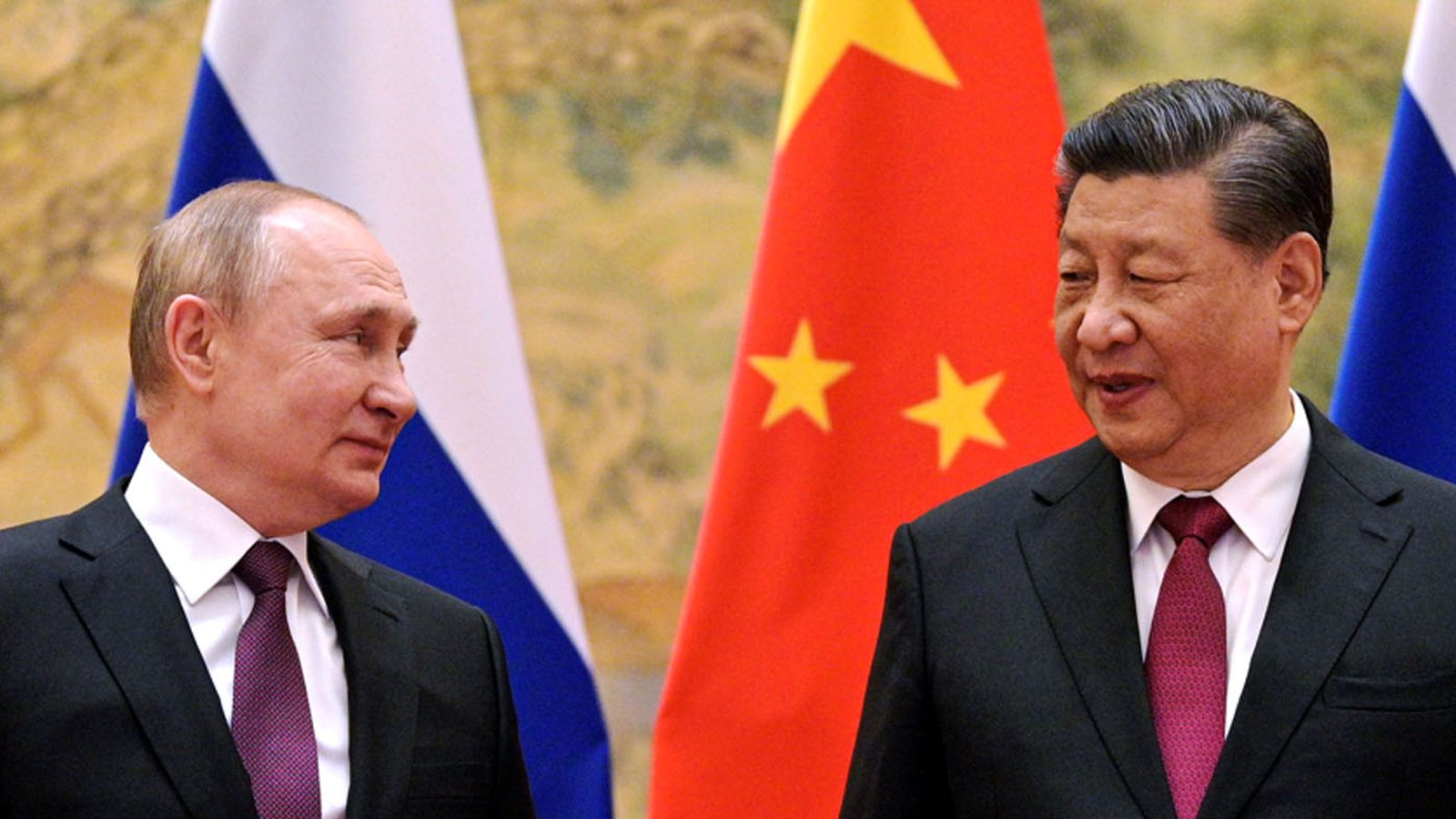
Chinese Premier Li Qiang has embarked on a four-day diplomatic visit to Russia and Belarus to bolster strategic ties between China and Russia amidst the ongoing war in Ukraine. Li, the second-highest official in China after President Xi Jinping, is scheduled to meet Russian President Vladimir Putin and hold talks with Prime Minister Mikhail Mishustin in Moscow. The discussions are centered around reinforcing China-Russia cooperation across various sectors, despite mounting Western criticism over China’s continued partnership with Russia amid the Ukraine conflict.

Upon his arrival at Moscow’s Vnukovo Airport on Tuesday, Li emphasized the vitality of China-Russia relations, describing them as entering a “new era” marked by increased political trust, fruitful cooperation, and enhanced international coordination. The visit reflects Beijing’s intent to further deepen its mutually beneficial relationship with Moscow, despite the broader international fallout from Russia’s full-scale invasion of Ukraine in 2022.

This high-level meeting comes just two weeks after Ukrainian forces launched a surprise incursion into Russia’s Kursk border region, a significant development as it marked the first time foreign troops entered Russian territory since World War II. The ongoing conflict has placed considerable pressure on Russia, both militarily and economically, with many urging a swift resolution to the war.

Picture background

While China has positioned itself as a potential peace broker, it has faced increasing scrutiny from Western nations regarding its supply of dual-use goods to Russia, which critics argue are bolstering Moscow’s war effort. Chinese officials have reiterated their stance on seeking a political settlement to the crisis, calling for restraint and a reduction in hostilities. However, Beijing’s actions have so far leaned heavily toward solidifying trade, economic, and security ties with Russia.

Bilateral trade between the two nations hit record highs in 2022, exceeding $240 billion ahead of schedule, with Russia growing increasingly dependent on China’s market and investments in the face of broad international sanctions. Trade between the two countries continued to rise by over 25% year-on-year in 2023, although growth has slowed to 1.6% between January and July compared to the same period last year, according to Chinese customs data.

Li’s visit is part of the annual meeting between Chinese and Russian prime ministers, a tradition that has continued since 1996 to ensure the practical implementation of cooperative measures guided by Xi and Putin. This year’s discussions are expected to focus on trade, economic partnerships, and strategic coordination as both countries navigate the complex geopolitical landscape shaped by the Ukraine conflict.

After his meetings in Russia, Li will conclude his trip with a visit to Belarus, where he is set to meet Belarusian Prime Minister Roman Golovchenko. The two leaders will engage in discussions aimed at strengthening bilateral relations and exploring new opportunities for cooperation across various sectors. This visit underscores China’s broader regional influence as it seeks to balance its relationships amidst the ongoing conflict in Ukraine and global economic pressures.

Russia’s Circumvention of Sanctions: Billions in Dollar and Euro Banknotes Flow Despite Western Restrictions

Despite the extensive sanctions imposed by the United States and the European Union following Russia’s invasion of Ukraine in 2022, approximately $2.3 billion in U.S. dollar and euro banknotes have been shipped to Russia, according to customs data. This substantial inflow of foreign currency, largely facilitated by countries such as the UAE and Turkey that have not restricted trade with Russia, underscores how Moscow has managed to navigate around the Western financial restrictions.

The data reveals that Russia, while publicly condemning the U.S. dollar and the euro as “toxic” due to sanctions, continues to rely heavily on these currencies for various transactions, including trade and travel. This dependence on foreign currency is evidenced by the significant demand among Russians for dollar and euro banknotes, especially for international trips and small imports. Despite the sanctions, Russia’s central bank has maintained tight controls on foreign currency outflows to support the weakening ruble, with only $98 million leaving the country between February 2022 and December 2023, compared to the billions flowing in.

Among the largest importers of this foreign cash is Aero-Trade, a company specializing in duty-free shopping services. The company declared around $1.5 billion in foreign currency imports during the sanctions period, with shipments processed through Moscow’s Domodedovo airport. However, the specific sources and recipients of this cash remain unclear, raising questions about the nature of these transactions.

Moreover, Russian banks have played a significant role in these cash imports, often using precious metals like gold and silver to facilitate these transactions. For instance, Vitabank, a Russian lender, imported $64.8 million in banknotes from Turkish gold trading firm Demas Kuyumculuk and exported almost equivalent amounts of gold and silver to the same company. These transactions highlight how Russia and its trading partners have adapted to the sanctions by relying on tangible assets such as precious metals to settle debts, circumventing traditional financial channels.

The data also indicates that entities connected to Rostec, a state-owned military-industrial conglomerate under U.S. sanctions, have been involved in importing significant amounts of foreign currency. However, the exact nature of these transactions remains opaque.

In summary, despite facing stringent financial sanctions, Russia has successfully continued to import billions in dollar and euro banknotes, with the help of international partners and by leveraging alternative assets like gold. This ongoing flow of foreign currency suggests that, while sanctions have disrupted Russia’s access to the global financial system, they have not entirely severed its ties to the international currency market.