Yazılar

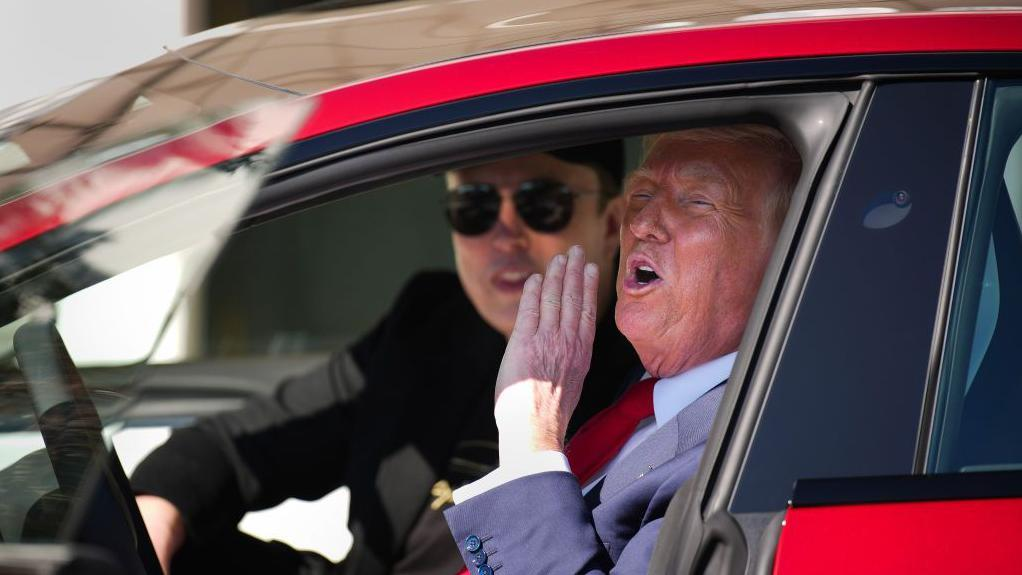
Trump-Musk Clash Triggers Scrutiny Fears Across Tesla, SpaceX, and Other Ventures

Former U.S. President Donald Trump’s call to review subsidies awarded to Elon Musk’s companies has sparked concerns of heightened regulatory scrutiny across the billionaire’s business empire, which spans automotive, space, energy, brain tech, and social media. The threat of government intervention may disrupt operations or stall innovation in several of Musk’s ventures. Here’s a breakdown of the U.S. agencies involved:

National Highway Traffic Safety Administration (NHTSA)
Tesla is under continued investigation by the NHTSA, especially concerning its advanced driver assistance systems. The agency is reviewing incidents involving Tesla’s robotaxi service in Austin, including videos showing vehicles misbehaving in traffic and in adverse weather. These inquiries extend broader probes into Tesla’s Full Self-Driving (FSD) technology, particularly related to safety during poor visibility.

Federal Communications Commission (FCC)
The FCC has begun reviewing its spectrum sharing policies, which could affect SpaceX’s Starlink satellite internet service. SpaceX is seeking new spectrum access to expand satellite coverage, but decades-old limits on signal power remain a barrier. The review could influence future Starlink deployments and broadband expansion goals.

Food and Drug Administration (FDA)
Neuralink, Musk’s brain implant startup, falls under the FDA’s oversight. After an initial rejection due to safety concerns, the FDA granted clearance for clinical trials, which are currently underway in the U.S. Neuralink is also exploring trials in Canada. The FDA will decide if Neuralink’s implants can eventually be marketed.

Environmental Protection Agency (EPA)
The EPA monitors SpaceX’s wastewater output at its Texas launch site and coordinates with other federal agencies under the National Environmental Policy Act. SpaceX’s rocket activities must pass environmental impact assessments to ensure compliance with land, water, and wildlife protection standards.

Federal Aviation Administration (FAA)
In September, the FAA proposed a $633,000 fine against SpaceX for violating licensing requirements before two 2023 launches. The FAA continues to investigate the company’s safety compliance, especially after repeated rocket explosions. Additional restrictions may follow.

Securities and Exchange Commission (SEC)
Musk is facing litigation from the SEC related to his 2022 acquisition of Twitter (now X). The agency has also probed Neuralink’s compliance and transparency, according to a December 2023 letter from Musk’s attorney, posted on X.

Federal Trade Commission (FTC)
The FTC oversees data and privacy protections at Musk’s social media platform, X. The agency is also investigating antitrust allegations, reviewing whether media watchdog groups coordinated an advertiser boycott that Musk claims is illegal.

Regulatory Risk Outlook
Trump’s renewed focus on Musk’s government support could pave the way for increased enforcement or changes to existing subsidies, affecting growth trajectories across his enterprises. With Musk already under the microscope at multiple agencies, the political escalation adds another layer of complexity.

Coinbase Seeks SEC Approval to Offer Tokenized Stocks on Blockchain

Coinbase is pursuing approval from the U.S. Securities and Exchange Commission (SEC) to offer tokenized equities—digitally represented stocks traded on blockchain technology—to its customers, according to Paul Grewal, Coinbase’s chief legal officer.

If approved, Coinbase would enter direct competition with retail brokers like Robinhood and Charles Schwab by allowing users to trade stocks in token form. This new service could open a significant business segment for the crypto exchange.

What Are Tokenized Equities?

Tokenized equities convert traditional shares into digital tokens, enabling investors to hold and trade ownership rights on a blockchain network. Advocates argue that tokenization can:

  • Reduce trading costs

  • Enable faster settlement of trades

  • Allow 24/7 trading outside conventional market hours

Challenges and Regulatory Context

Despite enthusiasm, the concept faces hurdles, including limited secondary-market liquidity and the absence of global regulatory standards, as highlighted by a recent World Economic Forum report.

Currently, U.S. law requires securities trading platforms to be registered as broker-dealers. Coinbase previously faced an SEC lawsuit for allegedly operating as an unregistered broker-dealer, but the case was dropped this year under the Biden administration.

To move forward, Coinbase needs a “no-action letter” or exemptive relief from the SEC—an assurance that the SEC would not take enforcement action if Coinbase offers tokenized stock trading.

Grewal emphasized that such regulatory clarity is vital for boosting institutional adoption of crypto and blockchain technologies.

Market Context

  • Coinbase’s competitor Kraken recently launched tokenized U.S. equity tokens, called xStocks, but only outside the U.S.

  • The SEC under President Trump has adopted a more industry-friendly approach, dropping several lawsuits against crypto firms and creating a task force for digital asset regulation.

No official submission date or launch timeline for Coinbase’s tokenized equities service has been disclosed.

Peter Thiel-Backed Crypto Firm Bullish Files Confidentially for US IPO

Bullish, a cryptocurrency exchange backed by Peter Thiel and a unit of blockchain software company Block.one, has confidentially filed for an initial public offering (IPO) with the U.S. Securities and Exchange Commission in recent weeks, according to the Financial Times on Tuesday.

Bullish previously attempted to go public via a special purpose acquisition company (SPAC) deal in 2021, but the effort collapsed in 2022 amid heightened regulatory scrutiny and rising interest rates that unsettled equity markets.

Unlike the Biden administration, the Trump administration has adopted a more lenient approach toward crypto regulation, supporting the industry’s policy goals. Under this environment, the Securities and Exchange Commission (SEC) has dropped several investigations.

Bullish aims to leverage renewed investor enthusiasm for digital assets during the current administration, the report added.

The company did not immediately respond to requests for comment, and Reuters could not independently verify the Financial Times report.

Bullish’s filing follows a similar move by crypto exchange Gemini, operated by billionaire twins Tyler and Cameron Winklevoss, which last week disclosed it had confidentially filed for a U.S. IPO.