
Yazılar

PsiQuantum Raising $750 Million to Advance Quantum Computing Technology

PsiQuantum, a quantum computing startup, is in the process of raising at least $750 million at a $6 billion pre-money valuation, as reported by sources familiar with the matter. BlackRock is reportedly leading the fundraising initiative, which has not yet been finalized.

The company distinguishes itself from other quantum computing startups by modifying traditional manufacturing techniques from the semiconductor industry, using existing photonics technology. This technology, commonly used for fiber-optic communications, is being applied at a factory operated by GlobalFoundries in New York. PsiQuantum aims to produce millions of quantum chips, with plans to scale production significantly, a process that requires substantial investment.

Quantum computing is poised to solve problems that would be impossible for conventional computers, such as simulating molecular interactions and predicting material behaviors. This technology holds the potential to revolutionize fields like battery development and drug discovery. Major tech companies, including Alphabet’s Google, Microsoft, and Amazon, are also pursuing quantum computing, with Nvidia recently announcing plans for a quantum computing research center in Boston.

PsiQuantum has partnerships with the U.S. and Australian governments to build quantum computers in Chicago and Brisbane, respectively. Despite the long-standing history of quantum computing, advancements have only recently been made in reducing errors and improving chip reliability. PsiQuantum aims to have a functional quantum machine by 2029, a goal echoed by Google, which predicts useful quantum applications within the next five years.
Intel Shares Surge 14% Following Appointment of New CEO Lip-Bu Tan

Shares of Intel surged nearly 14% on Thursday, following the announcement that Lip-Bu Tan, former board member, has been appointed as the new CEO. Tan, who had left the company in August due to differences over its direction, is now tasked with revitalizing the chipmaker, which has faced several years of underperformance in the market.

Intel has struggled to capitalize on the artificial intelligence-driven semiconductor boom, having lost market share in the data center and PC markets while facing significant losses in its manufacturing division. Over the past five years, the company’s stock has dropped about 60%, underperforming the broader market, with the Nasdaq and S&P 500 more than doubling in that period.

Analysts are optimistic about Tan’s appointment, citing his extensive relationships within the chip ecosystem, which could help bring customers to Intel’s contract manufacturing business. TD Cowen analysts noted that Tan’s deep connections in the industry made his appointment the best possible option for stakeholders. Tan will officially take over next week, just three months after Intel ousted Pat Gelsinger as CEO.

Tan had been on Intel’s board for two years, where he helped strategize the company’s turnaround. His departure in August was due to disagreements over workforce size and company culture, but his return brings renewed hope. Despite recent skepticism about Intel’s future, analysts expect Tan to continue the approach set by Gelsinger, focusing on keeping chip design and manufacturing together. Tan also expressed a goal to make Intel a leading foundry, a term used for companies that contract out chip manufacturing.

Despite his strong track record at Cadence Design Systems, where he led a decade of growth, analysts caution that a turnaround at Intel will take time. The company’s market value has struggled to surpass $100 billion for the first time in three decades, and Intel’s AI chip business has failed to meet sales targets. However, analysts remain hopeful, with some believing that Tan’s previous tenure at Intel will provide him with a deep understanding of the company’s challenges.

Still, analysts remain divided, with many holding a “hold” rating on Intel’s stock, as the company continues to face challenges, including stiff competition from rivals like Broadcom and TSMC. Experts like Dan Morgan, senior portfolio manager at Synovus Trust, believe Intel may still require a strong partnership to successfully navigate its foundry business and return to profitability.

Marvell Shares Suffer Worst Day in 24 Years Amid Tepid AI Revenue Forecast

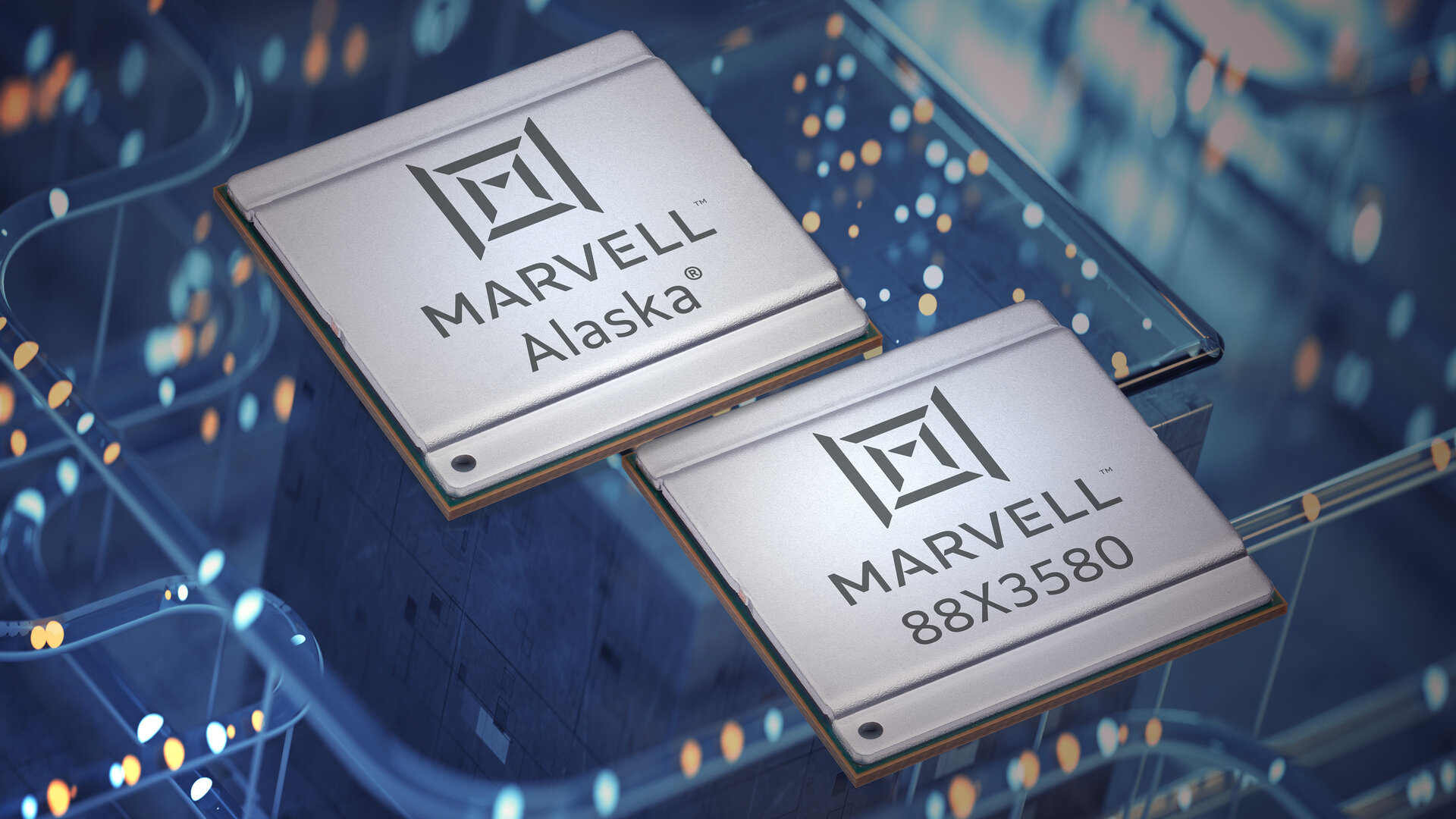
Marvell Technology’s (MRVL.O) shares plunged by 19.8% on Thursday, marking their worst day in over two decades. The sharp decline follows a revenue forecast for the upcoming quarter that failed to meet investor expectations, reigniting concerns about cooling demand for AI infrastructure.

The stock closed at $72.28, reaching a four-month low of $71.65 earlier in the day. Investors had been looking to Marvell’s earnings, a key supplier of custom AI chips, for indications of sustained demand in the AI sector, which has driven significant market growth since the rise of ChatGPT in late 2022. However, Marvell’s forecast for the next quarter was only slightly above analyst expectations, falling short of the more substantial beat that investors were hoping for.

TD Cowen analyst Joshua Buchalter noted that investors were anticipating stronger revenue growth, given recent comments on capital expenditures from some of Marvell’s largest customers. With over 45 million shares traded, significantly more than the 50-day average of 14 million, the market responded nervously.

The decline in Marvell’s stock price also weighed on other chipmakers, including Broadcom, which saw its shares drop nearly 7%, and Nvidia, which slid by 5%. Marvell’s performance led to a $15 billion loss in market value, and its shares are down 18% this year after an 83% rise in 2024.

Marvell’s CEO, Matt Murphy, did highlight that the company had exceeded its fiscal 2025 AI revenue target and is optimistic about surpassing its projections for fiscal 2026. However, analysts attributed the weak forecast to a slowdown in demand for on-premise data center products, as Big Tech shifts spending towards AI chips, leaving Marvell’s core networking business, which focuses on ethernet cables and fiber channels, in a weaker position.

The semiconductor sector overall has faced pressure from tariffs imposed by the U.S. government, adding to investor concerns. Analysts from Melius Research noted that sentiment around AI semiconductor stocks is currently negative, and many brokerages have cut their price targets for Marvell following the results.